What Espresso Crema Tells You About Your Brew
When you pull a shot of espresso, you expect a rich, caramel-brown crema to form on top. But what does that foam really tell you? Is it a sign of freshness, a mark of good technique, or just a visual trick? Many coffee drinkers assume a thick crema equals a great shot—but the truth is more nuanced. Understanding what creates crema, and what it actually reflects, helps you pull better shots and appreciate your espresso more deeply.
Quick Answer: Freshly roasted coffee with proper extraction typically produces a thick, stable crema—1–2mm thick, dark hazelnut to reddish-brown in color—lasting around 2 minutes before dissipating. A pale or quickly vanishing crema often signals stale beans, under-extraction, or channeling.
How Espresso Crema Forms
During roasting, coffee beans generate a large amount of carbon dioxide (CO₂)—most escapes during cooling, but some remains trapped inside. When you grind the beans, that gas is rapidly released, which is why you should brew espresso soon after grinding. When hot water under high pressure (typically 9 bars) hits the coffee puck, it dissolves CO₂ beyond its normal solubility, emulsifies coffee oils, and creates microbubbles. This combination forms the crema you see.
But crema isn’t just bubbles. For foam to hold together, you need stabilizing compounds. In espresso, that role is played by melanoidins—complex polymers formed during roasting through reactions between sugars and amino acids. These, along with proteins, gather at the bubble surfaces, trapping air and forming a semi-stable foam layer. Unlike soda foam, which collapses instantly, espresso crema persists due to these surface-active agents.
What Influences Crema Stability and Appearance
Several factors affect how your crema looks and how long it lasts:
- Freshness: Freshly roasted beans retain more CO₂, producing a thicker, more voluminous crema. Stale beans have less gas, resulting in thin, quickly disappearing foam.
- Extraction Time: A 15-second shot tends to produce a lighter, less concentrated crema due to shorter extraction and lower dissolved solids. A 25-second shot usually yields darker, richer crema.
- Water Temperature: Lower temperatures reduce extraction efficiency, leading to a lighter brew and less stable crema.
- Roast Level & Bean Type: Contrary to popular belief, Robusta beans often produce more crema not because they’re better, but because they contain less aromatic oil. Less oil means less interference with foam stability. However, this doesn’t mean the shot tastes better.
- Extraction Quality: Channeling—when water finds uneven paths through the puck—leads to inconsistent extraction, thinner crema, and often a sour or weak shot. A well-distributed, even puck results in stable, creamy crema.
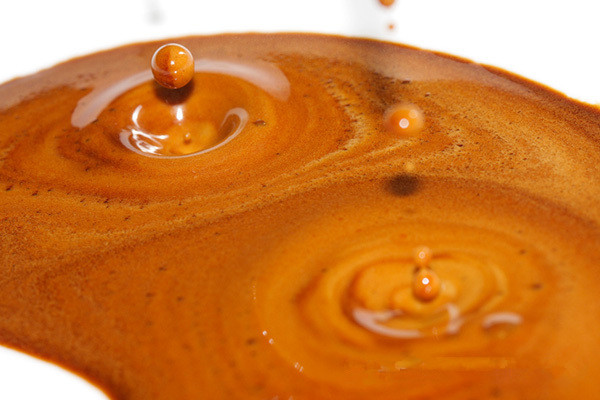
What Crema Can Tell You About Your Espresso
Crema serves as a visual cue for several aspects of your espresso quality:
1. Coffee Freshness
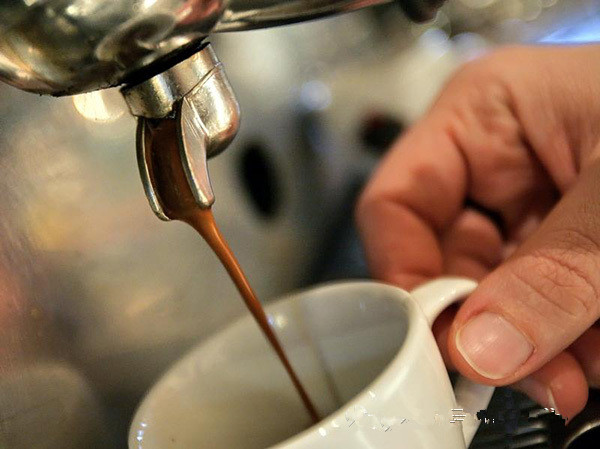
Fresh coffee generates strong, persistent crema. When you pull a shot, crema flows out thickly, then begins to thin toward the end as water dominates. Stale coffee produces weak, patchy crema that vanishes quickly, often alongside a thin, watery shot.
2. Extraction Level
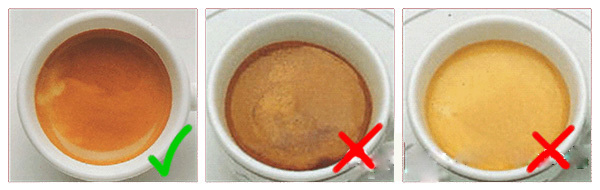
Darker, thicker crema usually indicates a higher concentration of dissolved solids—including both desirable compounds and over-extracted bitter elements. Very light or pale crema may point to under-extraction. However, excessively dark, almost burnt-looking crema suggests over-extraction or poor technique.
3. Extraction Uniformity
Stable, creamy crema often means even extraction with minimal channeling. Gaps or uneven puck preparation lead to inconsistent flow, resulting in thinner, unstable crema and poor flavor balance.
What Crema Doesn’t Tell You
Despite its visual impact, crema isn’t a reliable indicator of everything:
1. Taste Quality
A shot can have brilliant crema but taste awful. Freshness and technique can produce foam-rich shots from low-quality or poorly roasted beans. Crema alone doesn’t guarantee delicious espresso.
2. Proper Emulsification of Coffee Oils
Many assume more crema equals more emulsified oils. But in reality, higher oil content destabilizes foam. Using 5–6 bar pressure can still create crema, but the shot may lack aroma and taste flat due to insufficient oils and soluble solids.
Frequently Asked Questions
Does crema mean my espresso is fresh?
Crema can indicate freshness, but it’s not definitive. Freshly roasted coffee usually produces thick, persistent crema that flows heavily at the start of the shot and thins gradually. Stale coffee results in thin, patchy crema that disappears quickly. However, Robusta-heavy blends might show strong crema despite being stale, so always consider taste and other factors too.
Why does my crema disappear quickly?
Crema dissipates quickly due to a combination of stale beans (less CO₂), poor extraction (low dissolved solids), or high oil content (which destabilizes foam). Water gravity pulls surface-active agents away from bubbles, making them collapse. Faster drainage or channeling also reduces crema longevity.
Is darker crema better?
Darker crema often means higher extraction yield but can also signal over-extraction. A crema that’s very dark or almost burnt usually results from pushing too hard, too hot, or too long. Ideal crema is typically hazelnut to reddish-brown, not blackened or overly thick.
Does Robusta give better crema than Arabica?
Yes, Robusta often produces more visible crema because it contains less aromatic oil, which allows foam to remain stable longer. However, more crema doesn’t mean better flavor—Robusta shots may lack complexity or sweetness despite having thick crema.
Does grind size affect crema?
Yes, indirectly. Proper grind size ensures even extraction and appropriate resistance, which supports stable crema. Too fine or too coarse can cause channeling or under/over-extraction, both of which weaken crema quality. But grind size mainly affects the shot, and crema is a secondary result.
Can you have good espresso without crema?
Yes. While crema adds aroma and texture, it’s possible to pull a well-extracted, flavorful espresso with little or no visible crema—especially with certain beans, roast levels, or brewing setups. Taste matters more than appearance.
Recommended FrontStreet Coffee for Crema-Focused Espresso
For exploring crema and extraction, try FrontStreet Coffee’s Classic Blend, a well-balanced mix designed for consistent espresso with a stable crema. For a fruitier, more vibrant option, their Yirgacheffe single origin offers bright acidity and a lighter crema profile ideal for experimenting with extraction time. Both beans are freshly roasted to preserve CO₂ and highlight crema formation. Freshly roasted within 5 days · Orders placed before 17:00 ship the same day · Next-day delivery across most of Guangdong Province.
FrontStreet Coffee is a long-established specialty coffee roaster in Guangzhou China, selling freshly roasted beans from its own farm in Yunnan as well as dozens of carefully selected single-origin beans from around the world for both pour-over and espresso. The products deliver consistently excellent quality and great value, with shipping within 24 hours. Guangzhou's FrontStreet Coffee shop is recommended by many coffee lovers, and the beans are now available online at the Tmall 。
Important Notice :
前街咖啡 FrontStreet Coffee has moved to new addredd:
FrontStreet Coffee Address: 315,Donghua East Road,GuangZhou
Tel:020 38364473