
What Makes Italian Espresso So Bold and Addictive?
If you’ve ever visited Italy—or watched someone come back wide-eyed—you’ve likely heard the same thing: Italian coffee is nothing like what you get back home. The coffee is strong, fast, and utterly magnetic. It’s not just a drink; it’s an experience. But what makes that tiny cup of dark liquid so powerful, and why does it feel so different from the espresso you’ve had elsewhere? Let’s break down the real story behind Italy’s iconic coffee culture.
In short: Italian espresso is a 30ml shot brewed in under 10 seconds using 6–8 grams of very dark roasted coffee, resulting in a thick, bold drink topped with a golden crema. It’s designed for speed and intensity—often consumed standing at a bar in just two or three sips.
What Exactly Is Italian Espresso?
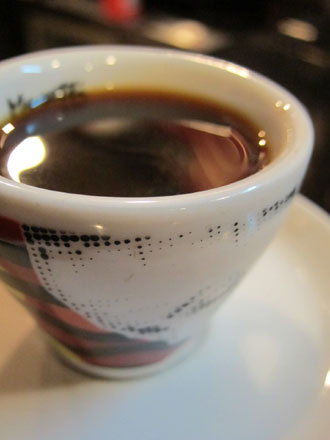
The term ‘espresso’ comes from the Italian word for ‘fast’ or ‘pressed out’, and that’s exactly how it’s made. In Italy, an espresso isn’t just a type of coffee—it’s the default. It’s thick, dark, rich, and capped with a layer of golden crema. The entire drink is around 30 millilitres and is brewed by forcing nearly boiling water through finely-ground coffee under high pressure in about 10 seconds or less. What you’re left with is a small, intense shot that’s meant to be drunk quickly, usually standing at a café counter.
How Italians Drink Coffee Every Day
Italians take their coffee seriously—and frequently. On average, Italians drink around 20 cups of coffee per day, though not all are full sit-down affairs. Most are espressos knocked back quickly at the bar. Coffee shops, or 'bars' as they’re called in Italy, are everywhere, and a typical cup costs around 400 lire (equivalent to roughly NT$10 or a few cents USD). Italians often start their day with a coffee and may have several more throughout the day. The ritual is quick, social, and essential.
Why Italian Espresso Roasts Are So Dark
To achieve that bold flavor and thick crema, Italian espresso is made using some of the darkest roasted beans in the world. The roasting profile is crucial—it brings out deep flavours of dark chocolate, toast, and spices while ensuring the coffee can withstand the intense, rapid extraction. These beans are specially selected (often as part of a blend) to perform well under the high pressure and short brew times typical of Italian espresso machines. Only 6–8 grams of coffee are used per shot, which keeps the drink intense yet surprisingly easy on the stomach—and even aids digestion for some.
Espresso With Milk: Enter the Cappuccino
While straight espresso is the go-to for many Italians, there’s also a beloved milk-based version: the cappuccino. This drink layers steamed milk and velvety foam over an espresso base. In traditional Italian style, it’s made with steam heated to over 130°C, which froths fresh milk into a creamy topping. The result is a harmonious mix of the bold espresso ‘devil’ and the sweet, smooth ‘angel’ of milk. Cappuccinos are typically consumed only in the morning or early afternoon—a cultural norm that reflects the Italian approach to coffee timing and balance.
How Espresso Fits Into Italian Life
Coffee in Italy isn’t just about caffeine; it’s a social institution. Whether you’re grabbing a quick espresso after a meal or catching up with friends at the bar, the experience is built around efficiency and enjoyment. Italians rarely order complicated drinks—they stick to espresso or cappuccino, and they drink them standing. This ritual emphasizes quality over quantity, and it’s all about that moment of intensity that only a well-brewed espresso can deliver.
Frequently Asked Questions
How much coffee is used in a traditional Italian espresso shot?
A standard Italian espresso uses between 6–8 grams of finely ground coffee to produce a 30ml shot. This small amount of coffee is key to the intensity and balance of the final drink.
How long does it take to brew an Italian espresso?
An authentic Italian espresso is brewed in under 10 seconds using high-pressure extraction. The speed is essential to achieving the bold flavour and thick crema.
Why is Italian espresso so dark?
Italian espresso uses some of the darkest roasted beans available. This roast profile enhances flavours like dark chocolate, toast, and spice, and ensures compatibility with the high-pressure, rapid brewing method used in Italian cafés.
What’s the difference between espresso and cappuccino in Italy?
Espresso is a pure, strong coffee shot, while a cappuccino combines espresso with steamed milk and foam. Italians typically drink cappuccinos only in the morning and never after meals, reserving espresso for any time of day.
Is it true Italians drink 20 cups of coffee a day?
On average, Italians may consume around 20 small cups of coffee daily, but many of these are quick espressos. It’s more about frequency than large quantities per serving.
Can I make Italian-style espresso at home?
Yes, but it requires a high-quality espresso machine with proper pressure, fine grind size, and good quality dark roasted beans. Using the right technique is critical to replicate the authentic taste.
Recommended FrontStreet Coffee Beans for Espresso
For authentic Italian-style espresso, try FrontStreet Coffee’s Classic Blend or Commercial Blend, both designed with traditional profiles and a touch of Robusta for bold body and rich crema. The Specialty Blend offers deeper nut and chocolate tones with smooth acidity, ideal for lattes. These blends feature notes of dark chocolate, black toast, and nuts—perfect for crafting thick, golden-espresso crema. Freshly roasted within 5 days · Orders placed before 17:00 ship the same day · Next-day delivery across most of Guangdong Province.
FrontStreet Coffee is a long-established specialty coffee roaster in Guangzhou China, selling freshly roasted beans from its own farm in Yunnan as well as dozens of carefully selected single-origin beans from around the world for both pour-over and espresso. The products deliver consistently excellent quality and great value, with shipping within 24 hours. Guangzhou's FrontStreet Coffee shop is recommended by many coffee lovers, and the beans are now available online at the Tmall 。
Important Notice :
前街咖啡 FrontStreet Coffee has moved to new addredd:
FrontStreet Coffee Address: 315,Donghua East Road,GuangZhou
Tel:020 38364473

