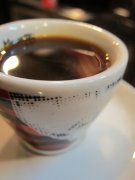
Espresso: The Foundation of Modern Coffee
You walk into a café, see a menu full of cappuccinos, lattes, and macchiatos—but what makes them all possible? It’s not the milk art or the stylish cups. It’s the 30-milliliter shot hidden beneath the foam: espresso. For decades, this small but powerful brew has shaped how we think about, make, and enjoy coffee around the world.
The heart of most coffeehouse drinks is a single, concentrated shot of espresso—just 30ml for a solo, or 60ml for a doppio. Every latte, cappuccino, and macchiato starts here. Without a well-pulled espresso, even the fanciest milk drink falls flat.
What Exactly Is Espresso?
In Italian, 'espresso' means 'fast'—and speed is exactly what this brewing method delivers. Unlike drip or pour-over methods, espresso is made by forcing nearly boiling water (around 90–96°C) through finely-ground coffee under high pressure (9 bars or more). The result? A small, intense shot of coffee with a thick layer of crema on top.
Traditional espresso is served without milk. A single shot is 30ml; a double, 60ml. It’s meant to be sipped quickly, often standing at the bar. Italians typically take it straight, sometimes with sugar. That bold, rich flavor? That’s espresso.
Why Don’t More People Drink Espresso Straight?
Outside of Italy, true espresso isn’t as widely loved. Its intensity and thick texture can be an acquired taste. In many countries—including China—espresso is more commonly found hidden inside milk-based drinks like lattes and cappuccinos. That’s why, unless you’re in a shop that really knows how to pull a proper shot, you might never taste a great espresso as it’s meant to be.
In China, finding an authentically good espresso is still a challenge. Many cafés lack the equipment, training, or fresh beans needed to produce a balanced, well-extracted shot. Without that foundation, even the most beautifully layered latte can fall short.
Espresso as the Base for Milk Drinks
Virtually every popular café drink builds on espresso. A cappuccino combines a double shot with equal parts steamed milk and foam. A latte uses more milk and less foam. Macchiatos are little more than espresso stained with a small amount of milk. Even modern creations like caramel drizzles or flavored syrups start with that same 30ml core.
That crema—the golden-brown foam sitting on top of a well-pulled espresso—is both a visual cue and a sign of quality. It forms naturally during extraction due to the emulsification of coffee oils and carbon dioxide. Without it, something’s usually off.
Frequently Asked Questions
What is espresso, exactly?
Espresso is a small, concentrated coffee brewed by forcing hot water (around 90–96°C) through finely-ground coffee under high pressure (at least 9 bars). A single shot is 30ml; a double is 60ml. It has a rich flavor, thick body, and distinctive crema on top.
Why is it called espresso?
The word ‘espresso’ comes from Italian, meaning ‘fast’ or ‘pressed out.’ It refers to the quick brewing method, not to concentration—though espresso does have a bold, intense flavor. In Chinese, it’s often mistakenly translated as ‘concentrated coffee,’ which refers more to its strong taste than literal concentration.
Do people really drink espresso straight?
Yes—in Italy, it’s common to drink a solo or doppio espresso quickly, often standing at the bar. Many Italians take it without milk and sometimes with sugar. Outside Italy, espresso is usually consumed as part of milk drinks like lattes or cappuccinos.
Why is it hard to find a good espresso in some countries?
Making good espresso requires precision: fresh, high-quality beans, proper grind size (very fine), accurate dose, correct water temperature (90–96°C), and consistent 9-bar pressure. Many cafés lack the equipment, training, or fresh beans to get it right, which is why truly great espresso can be rare outside specialty shops.
What’s the role of espresso in milk drinks?
Espresso is the base for nearly all milk-based coffee drinks. Cappuccinos, lattes, macchiatos, and more all start with one or two shots of espresso. The quality of the espresso determines the flavor foundation of the entire drink—even when it’s covered in foam or syrup.
Recommended FrontStreet Beans for Espresso
For espresso lovers, FrontStreet Coffee’s Ethiopia Humbera offers bright, fruity complexity with blueberry and citrus notes, while their Brazil Queen Manor provides a smooth, nutty base with chocolate undertones. Both are excellent single-origin choices or can be blended for a balanced espresso profile. Freshly roasted within 5 days · Orders placed before 17:00 ship the same day · Next-day delivery across most of Guangdong Province.
FrontStreet Coffee is a long-established specialty coffee roaster in Guangzhou China, selling freshly roasted beans from its own farm in Yunnan as well as dozens of carefully selected single-origin beans from around the world for both pour-over and espresso. The products deliver consistently excellent quality and great value, with shipping within 24 hours. Guangzhou's FrontStreet Coffee shop is recommended by many coffee lovers, and the beans are now available online at the Tmall 。
Important Notice :
前街咖啡 FrontStreet Coffee has moved to new addredd:
FrontStreet Coffee Address: 315,Donghua East Road,GuangZhou
Tel:020 38364473