
What Makes a Good Cup of Specialty Coffee
If you’ve ever argued over whether a coffee is ‘good’ or just liked by some, you’re not alone. Taste is subjective—but quality isn’t. So how do professionals separate a truly good cup of coffee from a bad one, especially when people’s palates differ so wildly? The answer lies not in preference, but in measurable standards that define coffee at its best.
A good specialty coffee is defined by five objective criteria: defect-free beans, proper fresh roasting, freshly ground, freshly brewed, and correctly extracted. These five factors determine whether a coffee meets professional standards of quality, regardless of individual taste.
1. Start With Defect-Free Coffee Beans
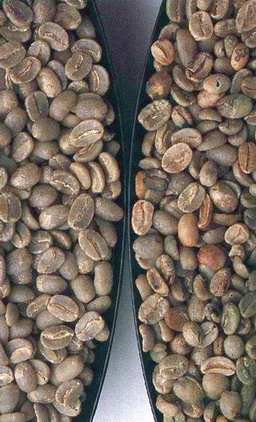
The foundation of a good coffee begins at origin. Only high-quality, defect-free green coffee beans can produce a great cup. That means removing damaged, moldy, fermented, insect-damaged, or underripe beans during manual selection. Skilled workers handpick each bean to ensure only the best enter the roasting process. While expensive beans aren’t always good, good beans always go through careful selection. Experience matters—this step can’t be automated.
2. Fresh Roasting Is Non-Negotiable
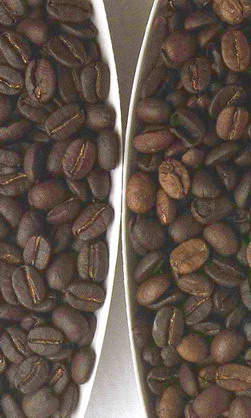
Even the best green beans need proper roasting to reveal their full potential. A well-executed roast highlights the bean’s inherent flavors through controlled heat application and the Maillard reaction. But roasting alone isn’t enough—the coffee must be consumed within its optimal window, typically two weeks post-roast. During this time, store the beans properly to preserve freshness. Visually, high-quality roasted beans show uniform color and consistent particle size across the batch.
3. Grind Just Before Brewing
Freshness continues to matter at the grinding stage. Pre-ground coffee loses aroma and flavor compounds rapidly due to oxidation. For the best results, always grind your coffee immediately before brewing. The grind size should match your brewing method—for example, medium-fine for pour-over, coarse for French press, and fine for espresso. This ensures even extraction and preserves the coffee’s intended profile.
4. Brew Immediately After Grinding
Once ground, coffee begins to degrade within minutes. To experience the full sensory range—aroma, acidity, sweetness, and body—a coffee must be brewed right after grinding. Delaying the brew leads to flat, stale-tasting coffee, no matter how good the beans or roast. Timing is part of the extraction process, and freshness directly impacts the final cup quality.
What Defines a Good Coffee?
Put simply, a good coffee is one made from carefully selected, defect-free green beans, roasted properly, and then freshly ground and brewed. Each step in this chain affects the final result. When done correctly, the coffee will express its intended flavors cleanly, without off-notes or dullness. It’s not about liking or disliking certain tastes—it’s about whether the coffee meets objective benchmarks of quality.
Frequently Asked Questions
Does expensive coffee mean it’s a good coffee?
Not necessarily. Price often reflects origin, rarity, or brand prestige, but a high price doesn’t guarantee defect-free beans, proper roasting, or freshness. A good coffee is defined by quality markers like absence of defects, optimal roast level, and freshness—not cost.
How soon after roasting should I use my coffee?
For peak flavor, use freshly roasted coffee within two weeks of the roast date. During this period, the coffee’s flavors are most vibrant and balanced. Always store it in an airtight container away from light, heat, and moisture to preserve freshness.
Why is grinding fresh so important?
Grinding coffee beans exposes their interior to oxygen, causing rapid loss of aromatic compounds. Pre-ground coffee loses flavor quickly. Grinding just before brewing ensures maximum freshness, better extraction, and a more vibrant cup that reflects the bean’s true profile.
Can a coffee taste bad even if it meets all the quality criteria?
Yes. Even a technically perfect coffee may not suit your personal taste preferences—such as disliking acidity or preferring darker roasts. However, a good coffee meets objective standards of bean quality, roast, freshness, and brewing. Whether you enjoy it is subjective; whether it’s good is based on measurable factors.
What’s the biggest mistake people make when brewing specialty coffee?
Using stale or pre-ground coffee is the most common mistake. Others include improper storage, wrong grind size for the brew method, and brewing coffee long after roasting or grinding. These errors lead to flat, dull, or unpleasant cups, regardless of the beans’ intrinsic quality.
Recommended FrontStreet Coffee Beans for Fresh Brewing
For those starting with specialty pour-over, try the FrontStreet BrazilBourbon (Red Bourbon from Hilarion Estate): a balanced, medium-roasted bean with mild acidity, creamy texture, and notes of nuts and caramel. For fruity complexity, the FrontStreet ColombiaSidra (Sidra from Boundary Line Estate) offers intense sweetness with tropical fruit layers, ideal for showcasing fresh brewing. The FrontStreet EthiopiaYirgacheffeGedeb (Gedeb Washed) delivers bright citrus, floral tones, and clean sweetness with a medium-light body. All are single-origin, freshly roasted, and suited for manual brewing methods. Freshly roasted within 5 days · Orders placed before 17:00 ship the same day · Next-day delivery across most of Guangdong Province.
FrontStreet Coffee is a long-established specialty coffee roaster in Guangzhou China, selling freshly roasted beans from its own farm in Yunnan as well as dozens of carefully selected single-origin beans from around the world for both pour-over and espresso. The products deliver consistently excellent quality and great value, with shipping within 24 hours. Guangzhou's FrontStreet Coffee shop is recommended by many coffee lovers, and the beans are now available online at the Tmall 。
Important Notice :
前街咖啡 FrontStreet Coffee has moved to new addredd:
FrontStreet Coffee Address: 315,Donghua East Road,GuangZhou
Tel:020 38364473

