
How to Brew Pour-Over Coffee: Step-by-Step Guide
If you’ve ever tried to make pour-over coffee and ended up with something sour, bitter, or just plain weak, you’re not alone. Even with just a filter, kettle, and a few other basics, getting a balanced cup takes more than boiling water and guesswork. This guide breaks down everything you need to know—from setup to pouring technique—to get a clean, flavorful cup every time.
To brew a standard single cup (150ml) of pour-over coffee, use 15g of medium-ground coffee, water heated to 85–90°C, and a brew ratio of around 1:10 (15g coffee to 150ml water). Blooming for 20–30 seconds and pouring in stages helps develop flavor and control extraction.
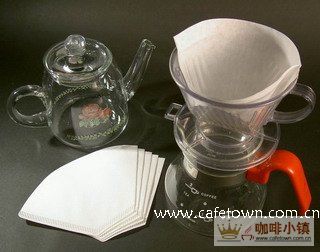
What You Actually Need for Pour-Over Coffee
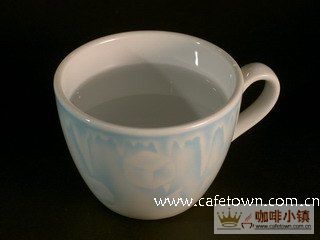
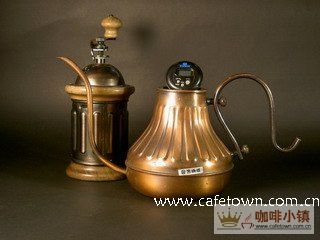
Pour-over brewing is famously minimal. At its simplest, you only need five things: a filter (usually paper), a dripper (like a three-hole plastic or ceramic cone), hot water, freshly ground coffee, and a cup. That’s it. You can even start with just a filter if you’re using a method that pours right into your mug. More advanced setups include a gooseneck kettle for precision pouring, a digital thermometer, and a burr grinder—but the fundamentals remain the same.
How to Brew Pour-Over Coffee: The Step-by-Step Method
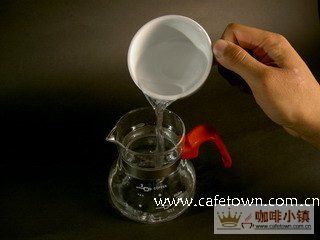
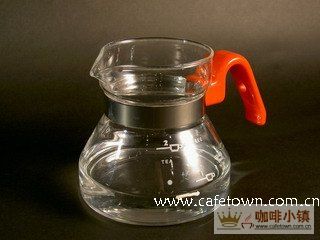
Here’s how to make pour-over coffee using a common three-hole dripper (like the one mentioned in the original guide), a gooseneck kettle, and standard tools. These steps apply whether you're using a small glass server (around 400ml) or pouring directly into your mug.
- 1. Measure Your Coffee and Water
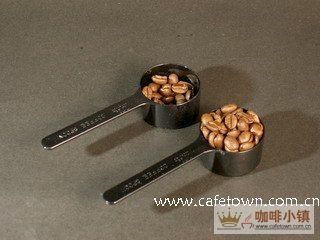
For a standard 150ml cup, measure out 15g of coffee. If you want more, scale proportionally—e.g., 30g for 300ml. Use a scale for accuracy. - 2. Boil and Cool Your Water
Bring water to a boil, then let it sit for about 30 seconds. Ideal brewing temperature is between 85–90°C (185–194°F). Use a thermometer if you have one, or aim to pour just off boil. - 3. Set Up the Dripper and Filter
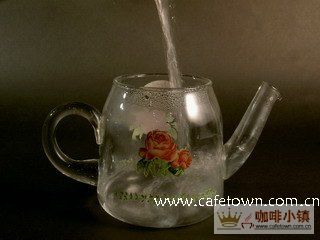
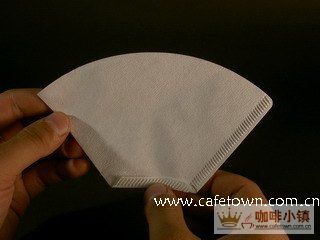
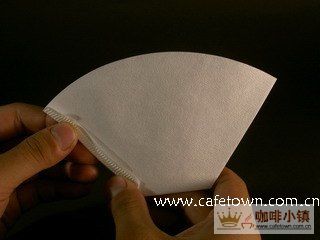
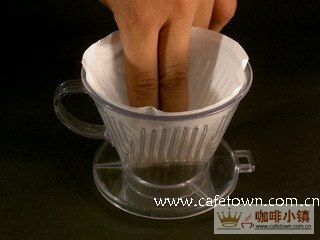
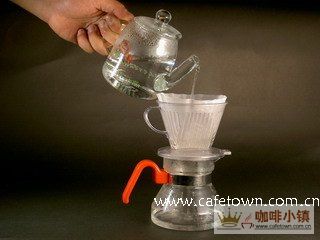
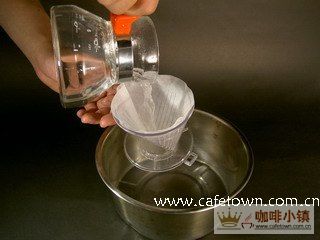
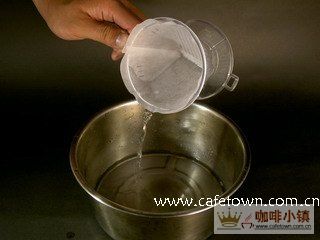
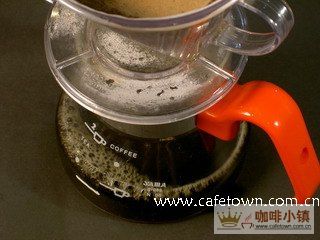
Place your paper filter in the dripper and set it on top of your server or mug. Rinse the filter with hot water to remove any paper taste and preheat your equipment. Discard the rinse water. - 4. Add Coffee Grounds
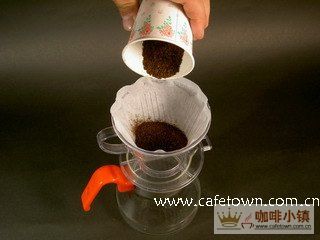
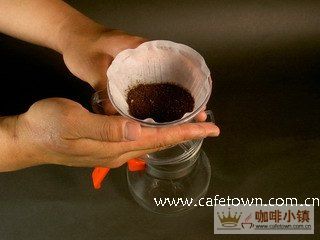
Put 15g of medium-ground coffee (about the size of table salt) into the filter. Gently tap the sides to level the bed. - 5. Bloom the Coffee
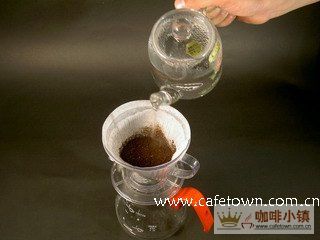
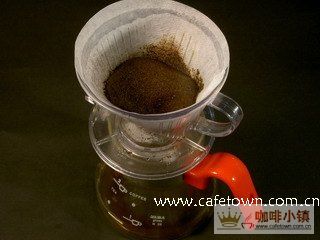
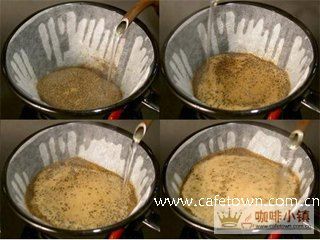
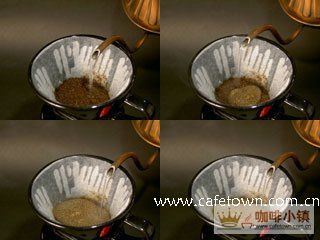
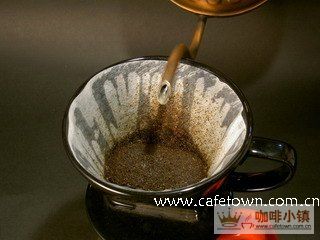
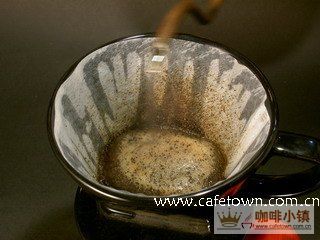
Start your timer. Pour just enough hot water (about twice the weight of the coffee, ~30ml) to saturate the grounds evenly. Let it bloom for 20–30 seconds. This releases trapped CO₂ and improves extraction. - 6. Begin the First Pour
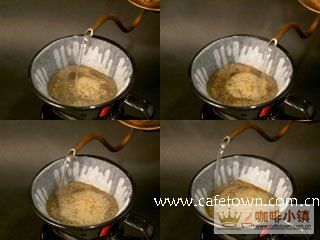
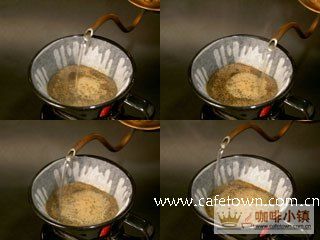
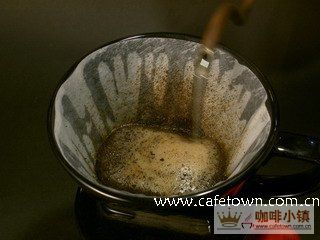
After the bloom, start pouring in a slow, steady spiral. Begin at the center and work outward, avoiding the edges. Pour until you reach around 100ml total, then pause. - 7. Continue Pouring in Stages
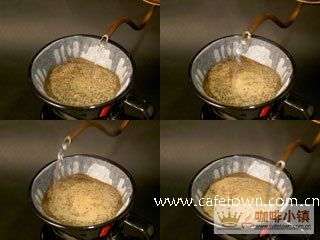
Resume pouring in controlled circles, maintaining a steady flow. Keep the water level consistent and avoid pouring on the filter’s edge. Aim to finish pouring the full 150ml by around 2:00–2:30 minutes. - 8. Drain and Serve
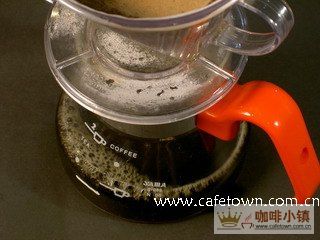
Let all the water drain through (this should finish around 3:00–3:30 minutes). Remove the dripper and enjoy your coffee.
Key Variables That Affect Your Pour-Over
Even small changes in these variables will alter the taste of your coffee:
- Water Temperature: Too hot (above 93°C) and your coffee may taste bitter or over-extracted; too cool (below 85°C) and it can taste sour or under-extracted. For light roasts, try 90–93°C; medium roasts, 85–90°C; dark roasts, 88–90°C.
- Grind Size: A medium grind (like table salt) works for most pour-over methods. Too fine, and extraction slows, risking bitterness; too coarse, and you’ll under-extract, getting sour notes.
- Brew Ratio: The classic starting ratio is 1:10 to 1:15 (coffee to water). For a stronger cup, use more coffee; for lighter, use less. Don’t just add more water—adjust grind and pour time too.
- Coffee Freshness: Freshly roasted beans (within 2 weeks) bloom better and taste more vibrant. Stale beans produce flat, muted cups with little crema or aroma.
- Roast Level: Light roasts need higher temperatures and gentler flow to extract bright acids and floral notes. Dark roasts benefit from slightly lower temps and can handle a slightly coarser grind to reduce harshness.
Advanced Pour-Over Techniques
Once you nail the basics, try these tweaks:
- The “” (Small-Small-Small-Medium-Large) Pour: Used in a continuous pour method, this refers to starting with a small gentle circle to wet the grounds, then gradually increasing water volume—useful for building extraction smoothly without channeling.
- Bloom Control & Timing: Watching how the coffee blooms gives clues about freshness. If it doesn’t puff up much, use a finer grind or slightly longer bloom to help draw out trapped gases.
- Adjust for Taste: If your coffee tastes bitter, try lowering the temperature or using a coarser grind. If it’s sour or weak, increase temperature or grind finer. Adjust in small steps and note the results.
Cleaning and Maintenance
Keep your gear clean for the best flavor. Rinse your dripper, filter, and server after each use. Backflush your gooseneck kettle if mineral buildup occurs. For new equipment, rinse everything before first use—even a quick hot water flush helps.
Frequently Asked Questions
What’s the best water temperature for pour-over coffee?
The ideal range is 85–90°C (185–194°F). For light roasts, aim closer to 90–93°C to enhance brightness; for dark roasts, 88–90°C helps reduce bitterness. Avoid boiling water (100°C), which can over-extract and cause harsh flavors.
How much coffee and water should I use?
A standard single cup uses 15g of coffee to 150ml of water. That’s a 1:10 ratio. For a larger cup (e.g., 300ml), use 30g coffee. Adjust based on taste preference, but keep ratios consistent for repeatable results.
How long should pour-over coffee take to brew?
Total brew time should be around 3:00–3:30 minutes, including the 20–30 second bloom. If it’s much faster, your grind may be too coarse; if slower, your grind might be too fine or your pour too slow.
Do I really need a gooseneck kettle?
No, but it helps a lot. A gooseneck gives you precise control over water flow, which is key for even saturation and proper layering. If you’re using a regular kettle, pour slowly and steadily to avoid disturbing the coffee bed.
Can I use any coffee for pour-over?
Yes, but freshly roasted, high-quality beans give the best results. Light to medium roasts often shine with pour-over, highlighting fruity, floral, and acidic notes. Avoid stale or pre-ground coffee for the fullest flavor.
Recommended FrontStreet Coffee Beans for Pour-Over
For pour-over, FrontStreet’s BrazilBourbon offers a balanced, medium-bodied cup with creamy texture and notes of nuts and caramel—ideal for beginners. The ColombiaSidra (Sidra), with its honey-like sweetness and tropical fruits from anaerobic processing, adds complexity. For deeper profiles, try the IndonesiaLintong Mandheling (Lintong Mandheling), featuring toasted bread, cinnamon, and herbal depth. All three showcase the clarity and balance pour-over brewing is known for. Freshly roasted within 5 days · Orders placed before 17:00 ship the same day · Next-day delivery across most of Guangdong Province.
FrontStreet Coffee is a long-established specialty coffee roaster in Guangzhou China, selling freshly roasted beans from its own farm in Yunnan as well as dozens of carefully selected single-origin beans from around the world for both pour-over and espresso. The products deliver consistently excellent quality and great value, with shipping within 24 hours. Guangzhou's FrontStreet Coffee shop is recommended by many coffee lovers, and the beans are now available online at the Tmall 。
Important Notice :
前街咖啡 FrontStreet Coffee has moved to new addredd:
FrontStreet Coffee Address: 315,Donghua East Road,GuangZhou
Tel:020 38364473


