How to Grind Coffee Beans for the Best Flavor
Ever wonder why your home-brewed coffee doesn’t taste like the café’s, even with the same beans? One major reason is grind size—or worse, pre-ground coffee sitting too long. Freshness and precision in grinding make all the difference in flavor.
The ideal time to grind coffee is right before brewing. Pre-ground coffee loses aroma quickly due to oxidation, especially in humid climates. For the best flavor, grind only the amount you need, just before brewing.
Why Grinding Matters
Coffee beans are packed with volatile aromatic compounds that start dissipating the moment they’re ground. Once roasted, those flavors begin fading—but grinding accelerates the process dramatically. The finer the surface area exposed to air, the faster the coffee stales. That’s why coffee experts emphasize grinding as close to brewing as possible.
How Grind Size Affects Brewing
Grind size determines how quickly water extracts flavor from coffee. The rule is straightforward: shorter brew time calls for finer grinds; longer brew times require coarser ones.
- Espresso: Extremely fine, like powdered sugar. Extraction takes mere seconds under high pressure.
- Moka pot / Siphon : Medium-fine to medium, roughly 30–40 seconds of contact time.
- Pour over (e.g. V60, Chemex): Medium, around 2–4 minutes.
- French press / Drip machine: Coarse, similar to sea salt or kosher salt, for 4+ minutes of brewing.
If your grind is too fine for the method, you risk over-extraction—resulting in bitter, harsh coffee. Too coarse, and you’ll under-extract, leaving your cup sour and weak. Precision matters.
Tools for Grinding Coffee
Not all grinders are created equal. The key factors in a good grinder are consistent grind size and minimal heat buildup.
There are three common types of grinders:
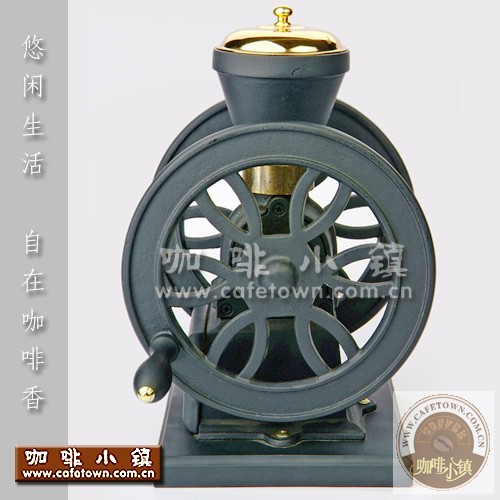
- Manual hand grinders: Best for small batches and enthusiasts who don’t mind the effort. Low heat, adjustable, and affordable.
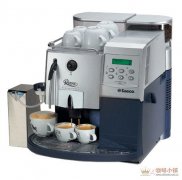
- Electric home grinders: Convenient for daily use, capable of producing a range of grind sizes for multiple brew methods.
- Commercial grinders: Built for high volume, used in cafés to grind pounds at a time with professional-grade consistency.
When choosing a grinder, prioritize adjustability and uniformity. Inconsistent grinds lead to uneven extraction and spoiled cups.

How to Grind Coffee the Right Way
To get the most from your beans:
- Grind right before brewing to preserve freshness.
- Adjust the grind size based on your brew method (see table above).
- Use only the amount you need for one brew session.
- Avoid grinding too long or too finely unless your method demands it.
- Keep your grinder clean to prevent old coffee oils from affecting new batches.
Cleaning is crucial. Coffee beans contain natural oils that can build up in your grinder, leading to rancid flavors over time. After each use, wipe down metal parts with a damp cloth and wash plastic components with warm water. For stubborn odors (especially if you’ve brewed flavored coffee), run a couple of tablespoons of white sugar through the grinder to absorb lingering aromas. Ideally, dedicate your grinder to one type of bean to avoid flavor cross-contamination.
Common Mistakes to Avoid
- Grinding too early: Pre-ground coffee stales within minutes. Always grind fresh when possible.
- Using the wrong grind size: A fine grind for French press or a coarse grind for espresso will ruin your cup.
- Overloading the grinder: Grinding too much at once increases heat and inconsistent particle size.
- Neglecting cleaning: Old coffee oils build up and create off-flavors.
- Ignoring heat: Excessive friction heats up the beans during grinding, releasing aromatics prematurely.
Grind Size Guide

- Fine grind: Granular, like table salt or powdered sugar.
- Medium grind: Between sugar and coarse salt—ideal for many pour-over methods.
- Coarse grind: Gritty, like coarse sea salt or small pebbles—best for French press.
Some methods go even finer (extra fine) or coarser (very coarse), depending on tradition or equipment.
Also remember: once ground, coffee’s surface area increases, making it absorb moisture and odors more easily. That leads to faster oxidation and flavor loss. That’s why grinding right before use isn’t just ideal—it’s essential for the best cup.
Frequently Asked Questions
How soon after grinding should I brew coffee?
You should brew coffee immediately after grinding to capture the freshest flavor. Ground coffee starts losing aroma within minutes due to oxidation, and flavors degrade rapidly, especially in humid environments. For the best results, grind only the amount you need for each brew session just before brewing.

What’s the best grind size for pour over coffee?
The best grind size for pour over is medium—similar to granulated sugar or slightly finer. This allows for an optimal extraction time of around 2 to 4 minutes, depending on your specific pour over device (like V60 or Chemex) and brew method.
Does grind size really affect taste that much?
Yes, grind size has a huge impact on taste. If the grind is too fine for your brew method, you’ll over-extract the coffee, resulting in bitterness. If it’s too coarse, you’ll under-extract, leading to a sour, weak cup. The right grind size ensures balanced flavor and proper extraction.
Can I use a blade grinder for coffee?
Blade grinders are not recommended for coffee because they chop beans unevenly, creating inconsistent grind sizes. This inconsistency leads to uneven extraction and poor-tasting coffee. Instead, use a burr grinder—either manual or electric—for uniform grind size and better flavor.
How do I clean my coffee grinder?
Clean your grinder after each use by wiping metal parts with a damp cloth and washing plastic components with warm water. To remove coffee oils and odors, run a few tablespoons of white sugar through the grinder, or use uncooked rice as a gentle abrasive. For best results, avoid mixing flavored coffees in the same grinder.
Recommended FrontStreet Beans for Home Grinding
For hands-on coffee lovers, try FrontStreet’s Yirgacheffe Red Cherry for bright berry and floral notes with a juicy body, perfect for pour over. Their Strawberry Candy Espresso Blend offers a sweet, syrupy profile ideal for experimenting with Moka pots or darker roasts. Also consider the Yellow Bourbon from Brazil Queen Manor, a naturally processed bean with rich caramel and nutty tones, great for French press or drip. All showcase how grind size and freshness unlock unique flavors. Freshly roasted within 5 days · Orders placed before 17:00 ship the same day · Next-day delivery across most of Guangdong Province.
FrontStreet Coffee is a long-established specialty coffee roaster in Guangzhou China, selling freshly roasted beans from its own farm in Yunnan as well as dozens of carefully selected single-origin beans from around the world for both pour-over and espresso. The products deliver consistently excellent quality and great value, with shipping within 24 hours. Guangzhou's FrontStreet Coffee shop is recommended by many coffee lovers, and the beans are now available online at the Tmall 。
Important Notice :
前街咖啡 FrontStreet Coffee has moved to new addredd:
FrontStreet Coffee Address: 315,Donghua East Road,GuangZhou
Tel:020 38364473