How a Belgian Coffee Maker Brews Coffee Step by Step
You’ve seen the dramatic glass bubbles, watched the coffee rise and fall, but still aren’t sure exactly how a Belgian coffee maker—or balance siphon—actually brews coffee. You’re not alone. Most people can’t quite follow what’s happening inside that two-chamber glass system. This guide breaks down each visible stage, the timings, water movement, and what really affects your cup.
In a standard brew using a Belgian coffee maker, water heats in the lower chamber until vapor pressure pushes it into the upper chamber where it brews with ground coffee for around 45 to 60 seconds. Total brew time—including heating, brewing, and siphoning—typically takes 3 to 4 minutes, with an optimal water temperature around 90–96°C. The coffee then filters back down as the heat turns off or is reduced.
What Is a Belgian Coffee Maker?
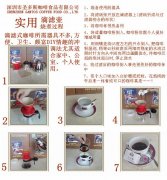
The Belgian coffee maker—also known as a balance siphon or vacuum pot—is a 19th-century-designed, two-chamber glass brewer powered by vapor pressure and gravity. It consists of a lower chamber for water, an upper chamber holding coffee grounds, a filter (often cloth or metal), and a spirit lamp or electric heater beneath. When heated, pressure forces water up into the top chamber, where it brews with the coffee. Once the heat is removed, the brewed coffee siphons back down into the bottom chamber, leaving grounds behind.
How the Brewing Process Works, Step by Step
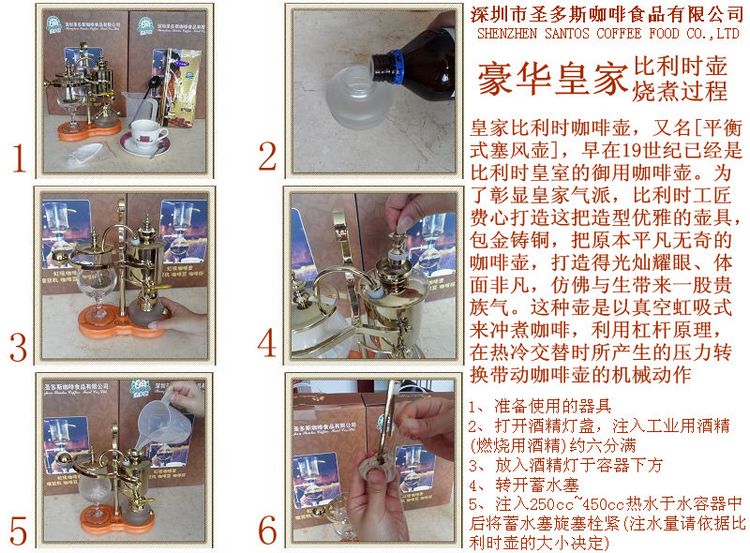
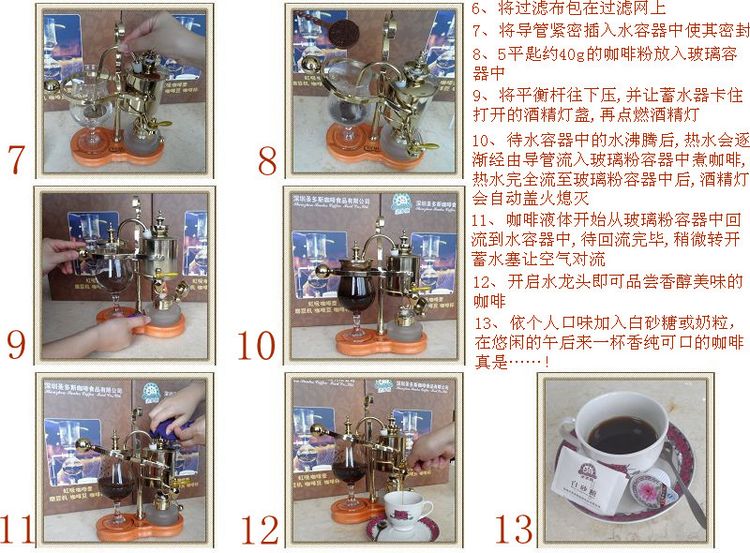
Here’s what physically happens inside the Belgian maker during a typical brew:
- Step 1: Heating the Lower Chamber
The water in the bottom bulb is heated (ideally to 90–96°C) by a small flame or electric heater. This creates steam and pressure. - Step 2: Water Rises to Upper Chamber
As pressure builds, the heated water is forced upward through a connecting tube into the upper chamber, where it mixes with the ground coffee. - Step 3: Brewing Contact (45–60 Seconds)
The coffee and water sit together in the upper chamber for roughly 45 to 60 seconds while brewing occurs. This is an immersion phase with some element of filtration beginning as water passes through the coffee bed. - Step 4: Siphoning Back Down
When the heat source is removed or lowered, pressure drops. The brewed coffee is then pulled back down through the filter into the lower chamber by gravity, leaving the grounds in the upper part. This usually takes 30 to 60 seconds after turning off the heat.
Key Variables That Affect the Brew
Several factors influence how your Belgian coffee maker performs and tastes:
- Water Temperature: Best results come from heating water to 90–96°C. Too cool, and extraction suffers; too hot, and bitterness increases.
- Brew Time in Upper Chamber: Ideal contact time is around 45 to 60 seconds. Shorter times lead to under-extraction; longer can over-extract.
- Heat Timing & Removal: The moment you remove or reduce heat controls when siphoning starts. Precise timing ensures cleaner separation of coffee and grounds.
- Grind Size: A medium-fine grind (similar to pour-over or slightly finer than table salt) is commonly used to balance extraction speed and avoid clogging the filter.
- Coffee-to-Water Ratio: While not fixed by the device, a typical range is 1:12 to 1:16 (e.g., 20g coffee to 240–320ml water), adjusted to taste.
Common Mistakes to Avoid
Even experienced coffee brewers sometimes get tripped up with a Belgian maker. Watch out for these issues:
- Overheating the lower chamber, which can cause overly fast brewing or bitter notes.
- Leaving the heat on too long after brewing begins, leading to over-extracted or harsh coffee.
- Using a grind that’s too fine, which may clog the filter and slow or prevent siphoning.
- Not watching closely when the coffee begins to siphon down—removing the heat too late can cause messy drips or uneven extraction.
Frequently Asked Questions
How does the coffee go back down in a Belgian coffee maker?
After brewing, when you reduce or turn off the heat, pressure in the lower chamber drops. This causes the brewed coffee in the upper chamber to be pulled back down through the filter by gravity into the bottom bulb. The process usually starts within a few seconds of removing the heat and completes in about 30–60 seconds.
What temperature should water be for a Belgian coffee maker?
The ideal water temperature is between 90–96°C. This range ensures proper extraction without excessive bitterness or underdevelopment of flavours. Use a thermometer or learn to recognise the near-boiling point by sight and sound on your heat source.
How long should coffee brew in a Belgian maker?
The coffee should brew in the upper chamber for approximately 45 to 60 seconds after the water has risen and before you remove the heat. Total brew time, including heating and siphoning, is typically 3 to 4 minutes from start to finish.
What grind size is best for a Belgian coffee maker?
A medium-fine grind is recommended—similar to pour-over grind size or slightly finer than table salt. This allows for proper extraction during the immersion phase while preventing the filter from clogging during the siphon process.
Can I use any coffee in a Belgian maker?
Yes, you can use any single origin or blend, but medium to medium-dark roasts often perform well due to their balanced flavour profiles. Lighter roasts can work but may require more precise temperature and timing control to avoid overly bright or sour notes.
Recommended FrontStreet Coffee for Belgian Brewers
For your Belgian coffee maker, try FrontStreet Coffee’s Ethiopia Humbera—a vibrant Ethiopian single origin with notes of citrus, jasmine, and tropical fruit that shines in full-immersion brews. Alternatively, their Yirgacheffe offers bright acidity with floral and berry tones, perfect for highlighting the clarity of the balance siphon method. For something richer, their PWN Golden Mandheling delivers low-acid body with hints of caramel and nuts. All three beans respond well to the medium-fine grind and 90–96°C water used in Belgian brewing. Freshly roasted within 5 days · Orders placed before 17:00 ship the same day · Next-day delivery across most of Guangdong Province.
FrontStreet Coffee is a long-established specialty coffee roaster in Guangzhou China, selling freshly roasted beans from its own farm in Yunnan as well as dozens of carefully selected single-origin beans from around the world for both pour-over and espresso. The products deliver consistently excellent quality and great value, with shipping within 24 hours. Guangzhou's FrontStreet Coffee shop is recommended by many coffee lovers, and the beans are now available online at the Tmall 。
Important Notice :
前街咖啡 FrontStreet Coffee has moved to new addredd:
FrontStreet Coffee Address: 315,Donghua East Road,GuangZhou
Tel:020 38364473