How to Choose High-Quality Coffee Beans: A Visual and Sensory Guide
If you've ever made coffee that tasted sour, bitter, or just plain off, the problem likely started with the beans. Great coffee isn’t born from technique alone—it starts with high-quality coffee beans. But how can you tell whether the beans you’re buying are any good before you brew them? The answer lies in how you assess them before brewing: by looking, smelling, listening, tasting, and understanding roast freshness.
To choose good coffee beans, inspect their color, shape, and surface for uniformity and absence of defects. Good beans should be glossy, evenly colored, and free of black, white, or broken beans. They should smell rich and fragrant, not stale or sour. When crushed or ground, they should make a crisp sound and release fresh aromas—not crunch or smell dull. Finally, brewed coffee from quality beans should be clear, flavorful, and remain tasty even after 30 minutes.
Start With a Visual Inspection of the Beans
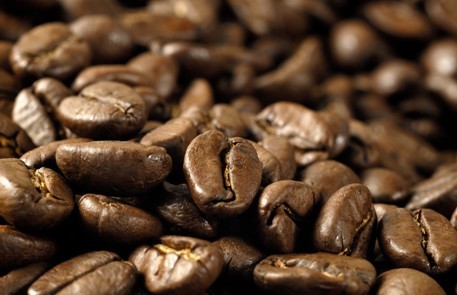
High-quality roasted coffee beans reveal their worth through appearance. The first thing to look for is a glossy, even color across all the beans—no blotches or uneven patches. The beans should look full and plump, not shrunken or irregular. Consistent size and hue across the batch are essential. These visual cues help ensure you're not getting a mix of underdeveloped or defective beans hidden among good ones.
Carefully examine your beans for the following common defects:
- Fermented beans: These are beans that fell to the ground before harvest and began to ferment. They introduce sour, unpleasant flavors.
- Dead beans (unripe or underdeveloped): Often caused by poor growing conditions, these beans don’t roast properly and create a grassy or astringent taste with visible roast blotches.
- Black beans: Fully fermented and oxidized beans that appear black. Easily spotted and always a sign of serious defect.
- Bug-bitten beans: Damaged by insects, these beans often have holes or nibbled sections and contribute off-flavors.
- Chipped or broken beans: Resulting from rough handling, these can over-extract during brewing, adding bitterness and unevenness.
- Shells or husks: Beans with pieces of outer skin still attached, or hollow “chaff” beans, affect roast consistency and extraction.
- Unripe or poorly dried beans: May taste sour due to incomplete development or moisture retention.
What to Listen for When Grinding Coffee Beans
The way coffee beans sound when ground offers important clues about their roast quality and freshness. High-quality, well-roasted beans produce a light, even “crunch”—a crisp, consistent sound similar to rubbing dry parsley. They also release a burst of aroma when crushed. In contrast, low-quality or stale beans tend to make a dull, crunchy noise and feel resistant while grinding. They often lack fragrance or emit a flat, musty smell.
Checking Coffee During and After Brewing
Even before tasting, you can evaluate your coffee by how it behaves during brewing. When hot water hits freshly ground coffee, high-quality grounds will expand and “bloom,” producing a layer of delicate, fine bubbles on the surface. This indicates proper moisture release and extraction potential. A lack of bloom often signals stale or improperly stored beans.
After brewing, take a close look at the brewed coffee. A good extraction results in a clear, vibrant brew. If you can see through the cup—like spotting a spoon beneath the liquid—that’s a positive sign. Murky or muddy coffee often points to channeling, over-extraction, or poor-quality beans. Premium coffee remains clear in the cup even 30 minutes after brewing, and the flavor should hold steady without turning overly bitter or flat.
How Flavor and Aroma Reveal Bean Quality
The ultimate test of coffee bean quality is how the coffee tastes and smells. Well-made coffee should have a bright acidity reminiscent of citrus fruits—not sharp or vinegary. The bitterness, if present, should be mild and balanced, not harsh like burnt rubber or charcoal. The aroma should be complex and inviting, not sour or musty. If your coffee lacks fragrance or tastes unpleasantly sharp, bitter, or flat, it’s likely made from subpar beans.
Why Freshness and Bean Origin Matter Before Roasting
Before roasting, coffee beans are green and known in the industry as “green coffee.” Their quality at this stage is critical—no amount of roasting can fix flaws present in underripe, damaged, or old beans. Green beans are typically shipped from farms about two months after harvest and are labeled as “New Crop.” Coffee held for a year is called “Past Crop,” and anything older is “Old Crop.” As with any agricultural product, freshness directly impacts flavor. New Crop beans typically express more vibrant, distinct characteristics compared to older ones.
When selecting green beans, look for beans that are vivid green, uniformly sized, and free of spots or discoloration. Larger beans with no visible defects usually indicate better growing conditions and processing. Even before roasting begins, these traits set the stage for a better final cup.
Frequently Asked Questions
What are the most common defects to look for in roasted coffee beans?
Common roasted coffee bean defects include black beans (fully fermented and oxidized), fermented beans (sour off-flavor), dead or underripe beans (often grassy or astringent), bug-bitten beans (with insect damage), chipped or broken beans (which extract unevenly), shells or husks (incomplete removal of outer layers), and unripe or poorly dried beans (which may taste sour).
How can I tell if coffee beans are fresh just by looking?
Fresh coffee beans typically have a glossy, even color with no discoloration or blotches. They should look full and plump, not shriveled or broken. A uniform size and color across the batch often indicate good quality and proper roast.
What does a good grind sound like?
High-quality coffee beans make a light, crisp “crunch” sound when ground, similar to dry herbs being crushed. They should also release a rich, fresh aroma. Low-quality or stale beans tend to produce a dull, crunchy noise and have little to no fragrance.
How can I judge coffee quality during brewing?
During brewing, especially with pour-over methods, good coffee grounds will “bloom”—rising and releasing a layer of fine bubbles when hot water is added. This indicates proper freshness and moisture release. Lack of bloom often means the beans are stale or of lower quality.
What should brewed coffee look like if it’s made from good beans?
Well-brewed coffee from quality beans should be clear and allow you to see through the cup (e.g., spotting a spoon beneath). Murky or muddy coffee often indicates poor extraction, over-extraction, or defective beans. Good coffee also stays clear and flavorful even 30 minutes after brewing.
What flavors should I expect from high-quality coffee?
High-quality coffee typically has a bright, citrus-like acidity and a smooth, mild bitterness. The overall flavor should be clean, not harsh or medicinal. The aroma should be pleasant and complex, not sour or musty.
Recommended FrontStreet Coffee Beans for Home Brewers
For those seeking high-quality beans to practice visual and sensory evaluation, try FrontStreet Coffee’s Ethiopia Humbera – a vibrant Ethiopian offering with notes of blueberry, jasmine, and lemon. Another excellent option is the Yirgacheffe, known for its stone fruit, bergamot, and honey-like sweetness. Both beans highlight the importance of origin and freshness, allowing you to assess bean quality through taste, aroma, and appearance. Freshly roasted within 5 days · Orders placed before 17:00 ship the same day · Next-day delivery across most of Guangdong Province.
FrontStreet Coffee is a long-established specialty coffee roaster in Guangzhou China, selling freshly roasted beans from its own farm in Yunnan as well as dozens of carefully selected single-origin beans from around the world for both pour-over and espresso. The products deliver consistently excellent quality and great value, with shipping within 24 hours. Guangzhou's FrontStreet Coffee shop is recommended by many coffee lovers, and the beans are now available online at the Tmall 。
Important Notice :
前街咖啡 FrontStreet Coffee has moved to new addredd:
FrontStreet Coffee Address: 315,Donghua East Road,GuangZhou
Tel:020 38364473