What Makes Kenyan Coffee Beans Special?
If you’ve ever sipped a cup of coffee with intense blackcurrant and citrus brightness, chances are you've tasted something close to Kenya’s signature style. But what makes Kenyan coffee so distinct? The answer isn’t just altitude or processing — it’s a combination of factors that few other origins can replicate.
Kenyan coffee is grown at elevations between 1,500 and 2,100 metres, harvested twice a year, and processed using a meticulous washed method that enhances its trademark acidity and fruitiness. The key lies in its high-altitude growing conditions, unique SL coffee varieties, and traditional cooperative farming system.
The Origins of Coffee in Kenya
Coffee arrived in Kenya in the 19th century through Ethiopian drinks imported via South Yemen. However, it wasn’t until the early 20th century that the Bourbon coffee variety was introduced by the St. Austin Mission. This marked the beginning of Kenya’s coffee cultivation journey, eventually leading to the development of some of the world’s most sought-after coffee varieties.
Growing Altitude and Harvesting Process
Most Kenyan coffee is cultivated at elevations ranging from 1,500 to 2,100 metres above sea level. The high elevation slows down the ripening process, allowing for greater flavour complexity in the beans. Coffee is harvested twice a year, and pickers make around seven passes through the fields to ensure only fully ripe cherries are collected. This selective harvesting is critical for maintaining quality.
The majority of Kenyan coffee is grown by smallholder farmers. After harvest, the fresh coffee cherries are delivered to cooperative washing stations. There, the beans are washed and dried, then delivered to cooperatives in their parchment stage — the protected state before the outer husk is removed. All the parchment coffee is pooled, and farmers are paid based on the average quality and market price, ensuring fairness for both producers and buyers.
The Role of SL Varieties and High-Phosphate Soils
Kenya is renowned for its exceptional coffee varieties, particularly SL28 and SL34, both developed by the Scott Laboratories (SL) in the 1930s. These varieties are the result of a research programme that tested 40 experimental types, but SL28 and SL34 stood out for their outstanding cup quality.
SL28 delivers pronounced flavours of black plum, citrus, and deep stone fruit acidity, with a wine-like richness. SL34, on the other hand, offers bright fruit acidity alongside nutty and spicy notes. These varieties thrive in Kenya’s high-altitude regions, where cooler temperatures slow growth and allow for more developed aromatic compounds. The unique high-phosphate volcanic soils further enhance the brightness and complexity of the coffee’s flavour profile.
Kenyan Washed Processing Method
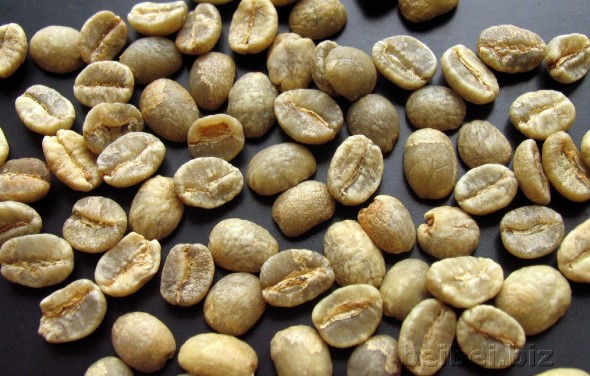
The washed processing method used in Kenya plays a significant role in shaping its distinctive cup profile. After the coffee cherries are depulped, the beans undergo a 48-hour fermentation process to remove the mucilage. This is followed by 24 hours of soaking in clean water. This extended and carefully managed fermentation and washing cycle results in a coffee with intense fruitiness and a full, juicy body.
Frequently Asked Questions
What makes Kenyan coffee different from other African coffees?
Kenyan coffee is distinct due to its high-altitude growing conditions, unique SL28 and SL34 varieties, and a washed processing method that enhances bright acidity and complex fruit flavours. The cooperative farming system also ensures consistent quality and fair pricing for farmers.
What are the main coffee varieties grown in Kenya?
The most famous Kenyan coffee varieties are SL28 and SL34, both developed by Scott Laboratories in the 1930s. These varieties are known for their exceptional cup quality, offering bright acidity, deep fruit notes, and wine-like complexity.
How is Kenyan coffee processed?
Kenyan coffee is typically processed using a washed method. After depulping, the beans ferment for 48 hours to remove the mucilage, then soak in clean water for another 24 hours. This process enhances the coffee’s fruity and juicy characteristics.
At what altitude is Kenyan coffee grown?
Kenyan coffee is generally grown at elevations between 1,500 and 2,100 metres above sea level. The high altitude contributes to slower cherry maturation, resulting in more complex and vibrant flavours.
Why is the acidity in Kenyan coffee so prominent?
The prominent acidity in Kenyan coffee comes from a combination of high-altitude growing conditions, the SL28 and SL34 varieties, and the washed processing method. The cool temperatures and mineral-rich soils also contribute to the bright, wine-like acidity.
Who grows Kenyan coffee?
Most Kenyan coffee is grown by smallholder farmers who deliver their cherries to cooperative washing stations. The coffee is processed, pooled, and sold by cooperatives, with farmers paid based on average quality and market prices.
Recommended FrontStreet Beans for Kenya Lovers
For those curious about Kenyan coffee profiles, try the FrontStreet Kenya Little Tomato. It combines the SL28 and SL34 varieties with a double-washed process and medium-light roast, highlighting notes of cherry, pear, black plum, yuzu, and brown sugar. The cup is juicy with a structured body and a lingering caramel finish. Ideal for pour-over, cold brew, or ice drip. Freshly roasted within 5 days · Orders placed before 17:00 ship the same day · Next-day delivery across most of Guangdong Province.
FrontStreet Coffee is a long-established specialty coffee roaster in Guangzhou China, selling freshly roasted beans from its own farm in Yunnan as well as dozens of carefully selected single-origin beans from around the world for both pour-over and espresso. The products deliver consistently excellent quality and great value, with shipping within 24 hours. Guangzhou's FrontStreet Coffee shop is recommended by many coffee lovers, and the beans are now available online at the Tmall 。
Important Notice :
前街咖啡 FrontStreet Coffee has moved to new addredd:
FrontStreet Coffee Address: 315,Donghua East Road,GuangZhou
Tel:020 38364473