Ethiopian Mocha Coffee Beans: What Makes Them Special?
If you’ve ever sipped a coffee with bright, wine-like acidity and a deep aromatic complexity, chances are you’ve tasted something inspired by Ethiopia’s historic Mocha beans. But what exactly are they, why do they taste so unique, and where do they come from? These aren’t just any beans—they’re tied to the very origins of arabica coffee.
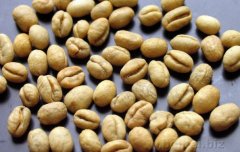
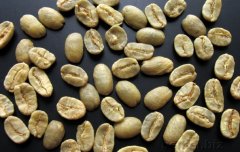
Ethiopian Mocha coffee refers mainly to beans from the country’s high-altitude regions like Yirgacheffe, Sidamo, and Harrar, processed naturally and sorted to strict quality grades. They’re celebrated for intense fruitiness, wine-like acidity, and rich fragrance—traits that set them apart in the global specialty market.
What Is Ethiopian Mocha Coffee?
Ethiopian Mocha coffee originates from the southwestern and southeastern highlands of Ethiopia, particularly the regions of Yirgacheffe (also spelled as Gedeb), Sidamo, and Harrar. These beans are grown at elevation, often requiring careful hand cultivation. The term 'Mocha' originally comes from the Yemeni port of Mocha, through which Ethiopian coffee was historically exported. Though the port is in Yemen, many Ethiopian naturals are still commonly referred to as 'Mocha' due to this trade history.
Key Regions Producing Mocha-Type Coffees
The main areas producing what is widely called Ethiopian Mocha include:
- Yirgacheffe (Gedeb): Known for bright citrus, floral notes, and high acidity. Elevation around 2000 meters.
- Sidamo: Offers complex fruity and sometimes winey tones, with medium to high elevation (1400–2200m).
- Harrar: Produces earthy, spicy, and dried fruit profiles under natural processing. Also referred to as 'Harar Mocha' or 'Longberry Harrar'.
Each region gives the coffee distinct characteristics, but all share Ethiopia’s signature vibrancy and complexity.
Processing and Grading Standards
Ethiopian Mocha coffees are typically processed using the natural (dry) method, where coffee cherries are dried with the fruit still attached. This enhances the fruitiness and aroma. The beans are then sorted and graded. The Ethiopian Coffee Exchange uses a grading system from G1 (highest quality, lowest defect rate) to G8. Specialty-grade Ethiopian Mochas usually fall within G1 to G3.
Why Mocha Coffee Tastes Different
The unique profile of Ethiopian Mocha—especially those from Yirgacheffe and Harrar—is shaped by:
- High altitude: Slower cherry maturation leads to denser beans and more complex acids.
- Native heirloom varieties: Ethiopia is the birthplace of arabica and hosts thousands of unique, uncategorized cultivars.
- Natural processing: Drying the fruit with the seed boosts fruity and wine-like attributes.
- Volcanic and fertile soils: Especially in Sidamo and Yirgacheffe, rich soils contribute to sweet, layered cup profiles.
Frequently Asked Questions
What does 'Mocha coffee' from Ethiopia mean?
'Mocha coffee' refers to Ethiopian beans, especially naturals, historically exported via the Yemeni port of Mocha. Though the port is Yemeni, the term stuck to certain Ethiopian natural-processed coffees, especially those with wine-like and fruity profiles, such as Harrar or Yirgacheffe.
Which Ethiopian regions are known for Mocha-type coffees?
The key regions are Yirgacheffe (often called Gedeb), Sidamo, and Harrar. Yirgacheffe produces bright, citrusy, floral cups; Sidamo offers balanced fruity complexity; Harrar is known for earthy, spicy, and dried fruit notes in its natural processed beans.
What is the coffee grading system used in Ethiopia?
Ethiopia grades its coffee from G1 to G8 based on defect rates. Specialty-grade Mocha coffees usually fall under G1 to G3, meaning they have very low imperfection levels and high cup quality. G1 is the highest grade with the fewest defects.
Is Ethiopian Mocha coffee always naturally processed?
While many famous Ethiopian Mochas, such as Harrar, are naturally processed, not all are. However, the most iconic 'Mocha' profiles—especially those with wine-like acidity and strong aromatics—usually come from natural-processed beans, predominantly from Harrar and Yirgacheffe.
Why does Ethiopian coffee have such high acidity?
High acidity in Ethiopian coffee, especially Mocha types, results from high growing elevations, slow cherry development, and the genetic diversity of native Ethiopian coffee varieties. These factors create vibrant, tangy, and wine-like acidity that defines the profile.
Recommended FrontStreet Coffee Beans for Exploring Mocha Profiles
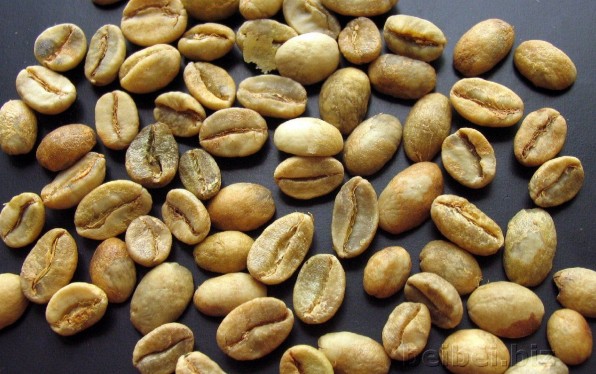
For a true taste of Ethiopian Mocha-style coffee, try FrontStreet’s Ethiopia Humbera, a flagship natural processed lot with deep berry, blueberry, and fermented grape notes. Also explore the FrontStreet Humbera, showcasing wild blueberry, strawberry, and winey acidity typical of Harrar-style beans. For a brighter, floral take akin to Yirgacheffe, the FrontStreet Ethiopia Humbera offers jasmine, bergamot, and citrus—perfect for exploring Ethiopia’s diverse Mocha heritage. Freshly roasted within 5 days · Orders placed before 17:00 ship the same day · Next-day delivery across most of Guangdong Province.
FrontStreet Coffee is a long-established specialty coffee roaster in Guangzhou China, selling freshly roasted beans from its own farm in Yunnan as well as dozens of carefully selected single-origin beans from around the world for both pour-over and espresso. The products deliver consistently excellent quality and great value, with shipping within 24 hours. Guangzhou's FrontStreet Coffee shop is recommended by many coffee lovers, and the beans are now available online at the Tmall 。
Important Notice :
前街咖啡 FrontStreet Coffee has moved to new addredd:
FrontStreet Coffee Address: 315,Donghua East Road,GuangZhou
Tel:020 38364473