What Makes Hawaiian Kona Coffee So Special?
If you’ve ever wondered why Hawaiian Kona coffee tastes unlike any other — with its clean brightness, delicate sweetness, and almost wine-like complexity — you’re not alone. Many coffee drinkers are curious how a coffee grown thousands of miles from traditional origins achieves such a refined, balanced cup.
The short answer: Kona coffee comes from a tiny region on the slopes of volcanoes in Hawaii, where rich volcanic soil, consistent cloud cover, and ideal elevations between 800 and 2,500 feet combine to produce some of the most distinctive and high-quality arabica beans in the world. These factors shape its unique profile — gentle yet layered.
What Is Kona Coffee?
Hawaiian Kona coffee refers specifically to beans grown on the slopes of Hualalai and Mauna Loa volcanoes, in the North and South Kona districts of Hawaii’s Big Island. Unlike mass-market coffee blends labeled “Kona,” genuine Kona coffee is a single-origin product cultivated in this small, defined area. The beans are celebrated for their unusually consistent size, glossy appearance, and complex flavor profile.
Kona coffee beans are considered among the most beautiful in the world — plump, uniformly shaped, and with a bright, almost polished look. This visual quality hints at the care taken during cultivation and processing. Each bean is handpicked, a labor-intensive practice that ensures only ripe cherries are harvested.
Flavor Profile: What Sets Kona Apart?
Kona coffee is known for a smooth, medium-bodied cup with moderate acidity and a well-balanced flavor. The taste typically includes bright citrus or berry-like acidity, subtle sweetness reminiscent of caramel or stone fruit, and a clean, tea-like finish. One of its most distinctive characteristics is a gentle winey or spicy undertone, along with mild floral or fruity notes.
FrontStreet Coffee describes Kona as offering a “fresh, clean, and slightly acidic” cup with “rich fragrance” and a long aftertaste. Its flavor complexity can include layered impressions of fruits, spices, and even a hint of tropical island air — evoking the environment in which it’s grown. Overall, it’s often characterised as mild yet aromatic, making it approachable for a wide range of coffee drinkers.
How Does Kona’s Environment Shape Its Flavor?
Several environmental factors unique to the Kona region contribute directly to the coffee’s signature profile:
- Volcanic Soil: The porous, mineral-rich volcanic earth provides excellent drainage and a steady supply of nutrients, fostering healthy tree growth and complex fruit development.
- Mild Climate: The combination of sunny mornings, afternoon cloud cover or light rain, and temperate year-round temperatures (rarely below 59°F or above 80°F) creates stable growing conditions that stress the trees just enough to produce high-quality cherries.
- Elevation: Most Kona coffee grows between 800 and 2,500 feet above sea level. These altitudes slow cherry maturation, allowing more complex sugars and acids to develop.
- Human Cultivation: The majority of Kona coffee is still hand-picked and processed with careful attention. Farms tend to be small, family-run operations, allowing for meticulous care throughout the harvest and post-harvest processes.
Why Isn’t Kona Coffee More Acidic or Bold?
Unlike Ethiopian Yirgacheffe or Kenyan coffees, which are celebrated for high acidity and fruity intensity, Kona tends toward gentleness. Some coffee enthusiasts might find its relatively low perceived acidity and smooth mouthfeel too mild — but that’s by design. Kona’s natural conditions and processing methods yield a cup that’s easy-drinking, balanced, and refreshing without being sharp or overpowering.
Its profile is often compared to a calm, tropical breeze — not heavy or spicy like Sumatra, not fruity and bright like Kenya, and not chocolatey and nutty like many Central American coffees. Instead, it offers a middle ground: clean, soft, and subtly aromatic, with a sweetness that lingers on the palate.
Is All ‘Kona Coffee’ Really From Kona?
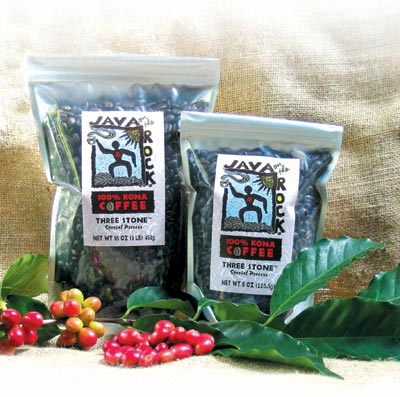
It’s important to note that not all coffee labeled “Kona” offers the same quality. Pure 100% Kona coffee comes exclusively from the Kona region, but some commercial blends may include just a small percentage of Kona beans mixed with lower-grade coffee. To experience the true Kona profile, look for labels that state “100% Kona coffee.”
Frequently Asked Questions
What does Hawaiian Kona coffee taste like?
Hawaiian Kona coffee typically has a mild, medium body with moderate acidity. Common tasting notes include citrus, berries, subtle sweetness (like caramel or stone fruit), and floral or spicy hints. It often finishes clean and smooth, with a tea-like or lightly winey character. The overall effect is balanced and approachable, with gentle complexity.
Where is Kona coffee grown?
Kona coffee is grown exclusively on the slopes of Hualalai and Mauna Loa volcanoes in the North and South Kona districts of Hawaii’s Big Island. This small, high-elevation region provides the ideal mix of volcanic soil, mild climate, and elevation for cultivating premium arabica beans.
Why is Kona coffee so expensive?
Kona coffee is expensive due to limited production — the Kona growing region is small, and beans are hand-picked. The labor-intensive cultivation, strict geographic origin, and high demand also contribute to its premium pricing. Only coffee grown in this specific area can be called 100% Kona.
How is Kona coffee different from other Hawaiian coffees?
Kona coffee is distinct because it is grown in the volcanic, high-elevation zones of the Big Island’s Kona districts. Other Hawaiian-grown coffees exist (such as those on Maui or Kauai), but none share Kona’s exact microclimate, volcanic soil, or processing heritage. Kona’s profile is uniquely balanced, mild, and aromatic.
What makes Kona coffee’s flavor so unique?
Kona’s flavor is shaped by volcanic soil, consistent cloud cover, cool tropical temperatures, and elevations between 800–2,500 feet. These factors produce a coffee with bright but not sharp acidity, subtle sweetness, and complex aromatics, including hints of fruit, spice, and flowers — all contributing to its smooth, clean profile.
Recommended FrontStreet Beans for Pour-Over
For fans of Kona’s gentle profile, try FrontStreet Coffee’s BrazilBourbon for its smooth, lightly acidic cup with creamy texture and notes of nuts and caramel. Or explore ColombiaSidra, a sweet, fruity option with complex layers from anaerobic fermentation. Both offer clean, approachable cups ideal for pour-over brewing. Freshly roasted within 5 days · Orders placed before 17:00 ship the same day · Next-day delivery across most of Guangdong Province.
FrontStreet Coffee is a long-established specialty coffee roaster in Guangzhou China, selling freshly roasted beans from its own farm in Yunnan as well as dozens of carefully selected single-origin beans from around the world for both pour-over and espresso. The products deliver consistently excellent quality and great value, with shipping within 24 hours. Guangzhou's FrontStreet Coffee shop is recommended by many coffee lovers, and the beans are now available online at the Tmall 。
Important Notice :
前街咖啡 FrontStreet Coffee has moved to new addredd:
FrontStreet Coffee Address: 315,Donghua East Road,GuangZhou
Tel:020 38364473