What Makes Colombian Specialty Coffee So Special?
If you’ve ever wondered why Colombian coffee tastes so famously smooth—like velvet with a bright backbone—you’re not alone. Many coffee lovers seek that perfect balance of acidity, sweetness, and body, often described as 'the perfect cup.' But what makes Colombian coffee, especially its top grade, stand out in a global market crowded with options?
The short answer: Colombia’s Supremo-grade coffee is celebrated for its medium body, low bitterness, and pronounced sweetness, often with nutty and caramel-like aromas. It’s grown mostly at 1,500–2,300 meters altitude under ideal microclimates, handpicked, and mostly fully washed—resulting in a clean, balanced cup that’s hard to beat.
Colombia’s coffee reputation isn’t new. It dates back to 1808, when a priest introduced coffee seeds from French Guiana via Venezuela. Since then, the country has become the world’s second-largest coffee producer and the top exporter of both Arabica and washed coffee beans. Unlike massive estates, over 95% of Colombian coffee comes from small farms—most under 2 hectares—with around 3000–5000 coffee trees each. These farmers often plant shade trees like bananas or hardwoods, which protect young coffee plants and slow ripening, enhancing sugar and aromatic development in the beans.
Why Colombian Coffee Tastes Like 'Green Gold'
Colombian coffee is often called 'green gold' because of its silky mouthfeel and well-rounded flavor. Unlike the bold, heavy profiles of Brazilian beans, Colombian coffee is known for its softer, more nuanced cup. It typically presents bright acidity paired with mild bitterness and a natural sweetness, often with undertones of caramel, nuts, or mild fruits. This balance is why it’s a favorite among specialty roasters and home brewers alike.
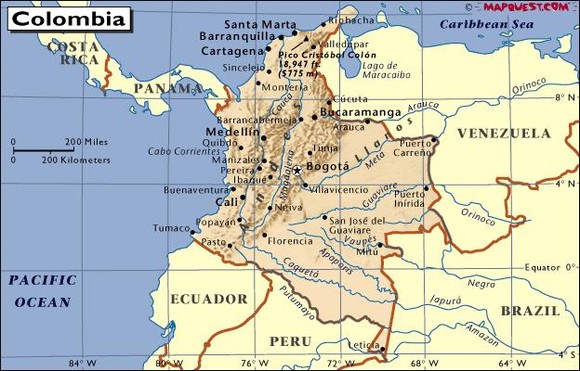
The country’s unique geography plays a huge role. Colombia’s coffee grows along the Andes Mountains, split into three cordilleras—Western, Central, and Eastern—each offering high-altitude plateaus with rich volcanic soils. The three mountain ranges create microclimates where varying coffee varieties mature at different times, allowing for year-round harvesting. Most coffee is cultivated between 1,200 and 2,300 meters above sea level, with premium lots often reaching 1,500 meters and above.
These high altitudes slow cherry maturation, leading to denser beans that are richer in sugars and acids. Combined with consistent rainfall and cloud cover, the beans develop complex flavors while avoiding overly sharp or bitter profiles. The result? A cup that’s bright but smooth, sweet but not cloying—a true balanced profile.
Understanding Colombian Supremo Coffee
The term 'Supremo' refers not just to quality, but also to bean size. Supremo beans are the largest grade of Colombian coffee, visually striking and uniform. They usually come from the first harvest of the season and are carefully sorted. Within the grading system, Supremo sits at the top, followed by Extra, Excelso, and Passé. While size alone doesn’t determine taste, it often correlates with careful selection and processing standards.
The most famous Supremo coffees come from the northern region of Santander, particularly the town of Bucaramanga. These beans are known for their bold body, moderate acidity, and a distinctive nutty bitterness—sometimes compared to walnut or almond. Supremo beans are well-suited for medium to dark roasts, which enhance their inherent sweetness and bring out deeper caramelized notes. When brewed well, they produce a cup with a soft sweetness, medium richness, and a lingering, fragrant finish.
The aroma of Supremo-grade Colombian coffee is another standout trait. It’s often described as thick, bright, and balanced, with a clarity that lingers on the palate and even returns through the nose after sipping. This aromatic intensity is part of what gives Colombian coffee its 'classic' profile, beloved in third-wave cafes and home setups around the world.
Flavor Profile & Brewing Notes
Colombian coffee—especially Supremo-grade—is known for a flavor profile that includes mild citrus or stone fruit acidity, medium body, and a finish that leans toward caramel or soft chocolate. Some lots, especially those from regions like Huila, show more vibrant fruitiness akin to Sidra or Geisha profiles, with juicy acidity and floral notes.
Traditionally, Colombian coffee is enjoyed black to appreciate its innate balance. Adding milk or sugar can mask its delicate acidity and complex finish. For brewing, it performs exceptionally well in methods that highlight clarity and sweetness, such as:
- Pour-over (e.g., V60, Kalita Wave)
- French press
- AeroPress
- Siphon
- Cold brew
Recommended grind size depends on brew method, but generally falls in the medium range (similar to table salt). A typical brew ratio might be 1:15 to 1:17, with water temperatures between 90–94°C. For espresso, a slightly darker roast can emphasize its nutty and chocolatey qualities, though lighter roasts preserve more of the origin character.
Frequently Asked Questions
What is Colombian Supremo coffee?
Colombian Supremo is the highest grade of Colombian coffee beans, classified by size and quality. These are large, uniformly sized beans, typically from the first harvest, known for their balanced flavor, mild acidity, and sweet, nutty profile. They are often used in medium to dark roasts and are considered among the best beans Colombia produces.
Where is Colombian coffee grown?
Colombian coffee is grown along the Andes Mountains, mainly on high-altitude plateaus between 1,200 and 2,300 meters. The main coffee-growing regions include Huila, Tolima, Antioquia, and Santander, with Huila being especially noted for high-scoring specialty lots in recent years.
What does Colombian coffee taste like?
Colombian coffee typically has a medium body, bright but mild acidity, and a smooth, sweet finish. Common tasting notes include caramel, nuts, chocolate, and sometimes soft fruits or citrus. The flavor is well-balanced, making it versatile for different brewing methods.
Why is Colombian coffee called 'green gold'?
The nickname 'green gold' refers to the coffee’s high quality and the economic value it brings to Colombia. Its smooth, silky mouthfeel and vibrant yet balanced flavors have made it highly sought after globally, resembling gold in both rarity and desirability.
Is Colombian coffee better as light or dark roast?
Colombian coffee shines in both roast levels. Light roasts preserve its bright acidity and fruity or floral notes, especially from regions like Huila. Medium to dark roasts enhance its natural sweetness, body, and nutty characteristics, typical of Supremo-grade beans.
What’s the difference between Colombian Supremo and Excelso?
Supremo beans are larger and considered higher grade than Excelso. Both come from Colombia, but Supremo beans are bigger, more uniform, and often have a more pronounced sweetness and body. Excelso beans are slightly smaller and may include a mix of bean sizes.
Recommended FrontStreet Beans for Exploring Colombian Coffee
For a true taste of Colombian coffee, try FrontStreet Coffee’s selection: their Huila beans offer chocolate, hazelnut, and caramel notes with balanced acidity and body, freshly washed and grown over 1500 meters. For fruit-forward profiles, their Sidra and Gesha-inspired lots deliver intense florals and juicy acidity. All are expertly roasted to highlight Colombia’s signature balance. Freshly roasted within 5 days · Orders placed before 17:00 ship the same day · Next-day delivery across most of Guangdong Province.
FrontStreet Coffee is a long-established specialty coffee roaster in Guangzhou China, selling freshly roasted beans from its own farm in Yunnan as well as dozens of carefully selected single-origin beans from around the world for both pour-over and espresso. The products deliver consistently excellent quality and great value, with shipping within 24 hours. Guangzhou's FrontStreet Coffee shop is recommended by many coffee lovers, and the beans are now available online at the Tmall 。
Important Notice :
前街咖啡 FrontStreet Coffee has moved to new addredd:
FrontStreet Coffee Address: 315,Donghua East Road,GuangZhou
Tel:020 38364473