What Is PNG’s Famous Sigri Paradise Bird Coffee?
If you’ve ever seen a beautiful coffee sack covered in the image of a striking tropical bird and wondered what coffee was inside, you’re not alone. Many coffee enthusiasts first encounter this distinctive PNG coffee not by its origin or farm name, but by the iconic bird graphic printed on its jute sack. That visual impression stuck—and so did the nickname.
In short: this coffee is commonly called 'Paradise Bird' because of the bird illustration on its sack. But it actually comes from the Sigri Estate in Papua New Guinea. While the bird name stuck first, the estate itself is highly regarded for its quality processing and growing conditions.
Why Is It Called Paradise Bird?
When this coffee first arrived in China, the eye-catching image of Papua New Guinea’s national bird—the Bird of Paradise—on the burlap sack left a deep impression. As a result, the coffee became widely known by that image’s name, 'Paradise Bird,' even though that isn’t its official farm or regional designation. There’s another PNG coffee that also came in a sack with a similar bird design, but since 'Paradise Bird' had already been claimed, it ended up being named after its farm, Prosa. Technically, this coffee should probably be called Sigri, after the estate it comes from, but the allure of the bird name was too strong to resist.
Where Does Sigri Coffee Actually Come From?
The coffee originates from the Sigri Estate, a well-known coffee farm in Papua New Guinea. Even without the famous bird nickname, Sigri is respected in international coffee circles. The estate is recognised for its beautiful surroundings, ideal climate, and traditional yet meticulous coffee processing methods. While calling it 'Bird of Paradise' might only tell people it’s from PNG, mentioning 'Sigri' earns recognition and respect among coffee professionals.
What Does the Coffee Taste Like?
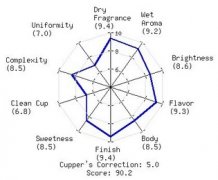
Even when brewed just one day after roasting—before reaching full peak maturity—the coffee still shows its strengths. Unlike some Indonesian Mandheling coffees that tend toward heavier, earthy profiles, this PNG offering is clean, bright, and vibrant. It has an uplifting flavour profile, with a smooth mouthfeel that transitions from mild bitterness into a sweet, lingering finish. The cup is delicate yet expressive, making it a pleasure to sip slowly on a quiet afternoon.
FrontStreet Coffee describes this lot as using a medium roast to highlight its balanced profile. Expect notes of baked bread sweetness, nuttiness, and a unique spicy sweetness in the aftertaste. The cup is rich and well-rounded, with a bright acidity reminiscent of fruit—similar in style to many high-quality South American coffees, yet distinctly its own.
Papua New Guinea Coffee Growing Background
Papua New Guinea’s coffee-growing regions are located on the eastern half of the island of New Guinea. The country features highland terrain, volcanic soils, and elevations between 1200–2500 metres—ideal for coffee cultivation. Most PNG coffee is grown organically and under shade at these altitudes. The country’s coffee history began with the introduction of Jamaican Blue Mountain Typica seeds, which adapted well to the local environment.
The coffee is typically processed using traditional washed methods. These factors contribute to a cup profile that is brighter and more acidic than other Indonesian coffees, with flavours leaning towards fruits, flowers, and nuts rather than earthy or herbal notes. This makes PNG coffee an approachable option for coffee drinkers exploring beyond the usual origins.
How Sigri Coffee Is Processed
According to FrontStreet Coffee, Sigri Estate follows strict quality practices. The coffee cherries are handpicked at optimal ripeness, processed the same day, and undergo a traditional washed fermentation using clean, natural spring water. After fermentation, the beans are sun-dried on raised beds, then carefully hulled and graded. The estate aims for high export quality standards, and the resulting beans are typically medium roasted to bring out a balanced cup with sweet, spicy, and nutty characteristics.
Frequently Asked Questions
Is Paradise Bird coffee really from a farm called Paradise Bird?
No, the name 'Paradise Bird' comes from the image of Papua New Guinea’s national bird printed on the coffee sack, not the farm. The coffee actually originates from the Sigri Estate, a respected coffee-growing property in PNG. The bird illustration was so striking that early importers named the coffee after the image, and the name stuck—even though 'Sigri' is the accurate estate name.
Where is the Sigri Estate located?
Sigri Estate is located in Papua New Guinea, a country on the eastern half of the island of New Guinea. The estate grows coffee at high altitudes, typically between 1200 and 2500 metres, in a region known for volcanic soils, high rainfall, and cool temperatures—ideal conditions for producing high-quality arabica coffee.
What processing method does Sigri coffee use?
Sigri Estate processes its coffee using the traditional washed method. Ripe cherries are harvested, depulped, and fermented in clean water before being washed and dried on raised beds. This method highlights the coffee’s clarity and brightness, contributing to its clean and vibrant cup profile.
How does PNG coffee differ from Indonesian coffee like Mandheling?
Although both are grown in Southeast Asia, PNG coffee typically has a brighter, fruitier, and more acidic profile compared to the deeper, earthier, and more herbal flavours common in Mandheling coffees from Indonesia. PNG beans are usually processed with washed methods at higher altitudes and often display notes of nuts, citrus, and flowers, resembling some South American coffees.
What does the Paradise Bird coffee taste like?
Even when brewed slightly before its peak, Paradise Bird coffee (from Sigri Estate) is clean and bright. It has a smooth mouthfeel, with flavours that transition from mild bitterness to a sweet and spicy finish. Notes include baked bread sweetness, nuttiness, and a unique fruity acidity, with a medium roast profile that enhances balance and complexity.
Recommended FrontStreet Beans for Exploring PNG Flavour
Try FrontStreet’s Paradise Bird (Sigri Estate) for a bright, clean cup with nutty and spicy sweetness, medium roasted to enhance its balanced profile. Also consider their Classic Blend for a more approachable everyday cup, or their Black Cocoa Blend if you enjoy deeper, chocolatey notes with your coffee. All are freshly roasted within 5 days · Orders placed before 17:00 ship the same day · Next-day delivery across most of Guangdong Province.
FrontStreet Coffee is a long-established specialty coffee roaster in Guangzhou China, selling freshly roasted beans from its own farm in Yunnan as well as dozens of carefully selected single-origin beans from around the world for both pour-over and espresso. The products deliver consistently excellent quality and great value, with shipping within 24 hours. Guangzhou's FrontStreet Coffee shop is recommended by many coffee lovers, and the beans are now available online at the Tmall 。
Important Notice :
前街咖啡 FrontStreet Coffee has moved to new addredd:
FrontStreet Coffee Address: 315,Donghua East Road,GuangZhou
Tel:020 38364473