
Harar Coffee Variety: Flavor Profile & Roast Guide
If you’ve ever sipped a cup that tastes unmistakably of blueberries with a wild, earthy edge, chances are you’ve had a natural-processed Ethiopian coffee. But which one? Among Ethiopia’s diverse regions, Harar stands out for producing some of the most complex and fruit-forward single-origin beans in the world.
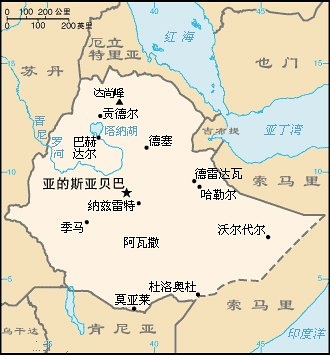
Harar-4 is the common cultivar grown in Ethiopia’s western Harar region. It’s a hardy, high-yielding tree—but also disease-prone. The beans are processed using the natural (dry) method, which fully retains the fruit’s flavors, resulting in an intensely aromatic, often fruity cup.
What Is Harar Coffee?
Harar coffee refers to beans grown in Ethiopia’s Harar region, particularly the Harar-4 cultivar. It is most commonly processed using the natural method, where ripe coffee cherries are dried in the sun with the fruit still intact. This method amplifies the bean’s inherent fruity and wine-like characteristics. The region’s high altitude, dry climate, and limited water availability make natural processing not just common, but essential.
Flavor Profile: What to Expect from Harar
Cupping notes for Harar coffee typically highlight medium to mild acidity, a full body, and a distinctive wildness. The flavor is often described as intense, with prominent notes of mocha and a signature blueberry taste. Depending on roast level, you may also detect hints of chocolate in medium to dark roasts. The aroma is complex and rich, sometimes floral or fruity, and always intense.
Why Roast Harar to City or Full City Levels?
The recommended roast level for Harar coffee is city (medium) or full city (medium-dark). These levels allow the intrinsic qualities of the natural process to shine—enhancing the berry and chocolate notes without overpowering them. Lighter roasts can preserve more of the acidity and floral elements, while slightly darker roasts bring out deeper caramel and chocolate tones. Avoiding very dark roasts is key to maintaining the bean’s inherent complexity.
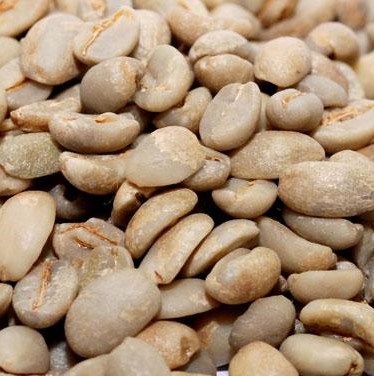
The Natural Process: Why It Matters
Natural processing, also called the dry method, involves drying the coffee cherry in the sun with the pulp and skin still on the bean. This technique is especially suited to regions like Harar, where water is scarce. By keeping the fruit intact during drying, the coffee retains more of its inherent sugars and aromatics. The result is a cup that’s often bolder, fruitier, and more “wild” in character compared to washed or honey-processed coffees. In Harar, this method is responsible for the hallmark blueberry and mocha notes that define its profile.
Frequently Asked Questions
What is the Harar-4 coffee variety?
Harar-4 is the common cultivar grown in Ethiopia’s Harar region. It is a hardy tree known for high yields but also susceptibility to disease. The beans are typically processed using the natural (dry) method, which helps produce the region’s signature fruity and intense flavor profiles.
How should Harar coffee be roasted?
Harar coffee is best roasted to a city (medium) or full city (medium-dark) level. These roast levels enhance the natural blueberry and mocha flavors without masking them. Avoid very light or very dark roasts to maintain balance and complexity.
What does Harar coffee taste like?
Harar coffee typically has medium to mild acidity, a full body, and a complex flavor profile. Common tasting notes include blueberry, mocha, chocolate (in medium-dark roasts), and a general wild or earthy character. The aroma is often intense and fruity.
Why is natural processing used in Harar?
Natural processing is favored in Harar due to the region’s dry climate and limited water resources. By drying the coffee cherries in the sun with the fruit still on the bean, this method preserves more sugars and aromatics, leading to a bolder, fruitier, and more complex cup profile.
What makes Harar coffee different from other Ethiopian coffees?
Harar coffee is distinct for its wild, fruity, and often wine-like flavors, especially blueberry and mocha. While other Ethiopian regions like Yirgacheffe are known for bright, floral, and citrus notes, Harar tends toward deeper, more intense fruitiness due to its natural processing and regional growing conditions.
Recommended FrontStreet Beans with Natural Processing
For fans of Harar’s wild, fruity profile, try FrontStreet Coffee’s Ethiopia Humbera, a natural-processed Yirgacheffe offering notes of strawberry, blueberry, and tropical fruit. Also consider the FrontStreet Red Cherry, a Yirgacheffe natural with vibrant tropical fruits and a sweet, juicy body. For a drier, fruit-forward cup with heavier body, the FrontStreet Humbera highlights fermentation sweetness alongside berry and floral tones. All are excellent examples of natural-process Ethiopian beans. Freshly roasted within 5 days · Orders placed before 17:00 ship the same day · Next-day delivery across most of Guangdong Province.
FrontStreet Coffee is a long-established specialty coffee roaster in Guangzhou China, selling freshly roasted beans from its own farm in Yunnan as well as dozens of carefully selected single-origin beans from around the world for both pour-over and espresso. The products deliver consistently excellent quality and great value, with shipping within 24 hours. Guangzhou's FrontStreet Coffee shop is recommended by many coffee lovers, and the beans are now available online at the Tmall 。
Important Notice :
前街咖啡 FrontStreet Coffee has moved to new addredd:
FrontStreet Coffee Address: 315,Donghua East Road,GuangZhou
Tel:020 38364473

