High-Quality Nicaraguan Coffee Beans: What Makes Them Special
If you’ve ever sipped a cup of coffee that tasted floral, smooth, and just a little bit wine-like—but weren’t sure where it came from—there’s a good chance it was from Nicaragua. Many coffee drinkers confuse Nicaraguan beans with those from Honduras or El Salvador, but this Central American origin has distinct qualities worth exploring on their own.
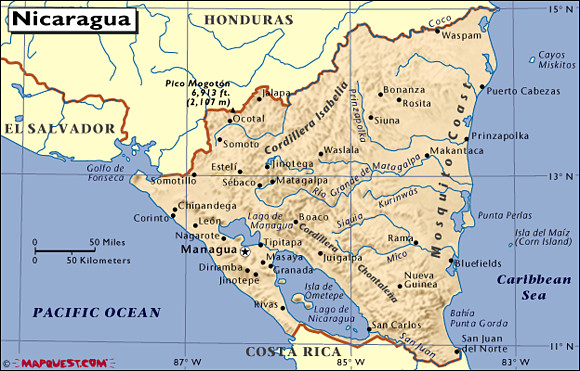
Nicaragua produces high-quality arabica coffee with moderate acidity, rich aroma, and a velvety body. Its best beans come from the northern and central highlands, particularly regions like Matagalpa, Jinotega, and Segovia. These areas, part of the Central American Volcanic Belt, offer ideal growing conditions for specialty-grade coffee.
Nicaragua’s Coffee Geography and Climate
Nicaragua sits in the heart of Central America, bordered by the Pacific Ocean to the west and the Caribbean Sea to the east. The country features a mix of volcanic highlands in the north and central regions, and coastal plains to the east. This volcanic soil—combined with a tropical, oceanic climate featuring high temperatures and consistent rainfall—creates optimal conditions for coffee cultivation.
The high-altitude regions, especially between 1,000 and 1,500 meters above sea level, are where Nicaragua’s best coffee is grown. These conditions slow cherry maturation, allowing for greater sugar development and complex flavor formation in the beans.
The History and Challenges of Nicaraguan Coffee Production
Coffee has long been a cornerstone of Nicaragua’s economy, with annual production reaching over 100,000 bags in the 1970s. However, political upheaval in 1979 disrupted the industry. The revolution forced many coffee estate owners to flee, and subsequent uncertainty around land redistribution led to a sharp decline in production—from over a million bags in the early '70s to under 60,000 by 1990.
Since then, the sector has stabilized under private management, though Nicaragua remains one of the poorest countries in Central America. Coffee farming communities often struggle economically, although international aid has helped improve coffee quality in recent years.
Key Coffee-Growing Regions and Flavor Profiles
The finest Nicaraguan coffee is grown in regions like Matagalpa, Jinotega, and Segovia. Among these, Matagalpa’s coffee is especially noted for its balanced acidity and wine-like undertones. Some lots from Madriz—especially those resembling Kenyan AA profiles—are highly sought after.
Nicaraguan beans typically present a soft, rounded flavor. Expect notes of floral aroma, gentle sweetness, a silky mouthfeel, and a finish that hints at mild bitterness—similar to what you’d find in a light red wine. The cup is often described as clean and approachable, with subtle complexity.
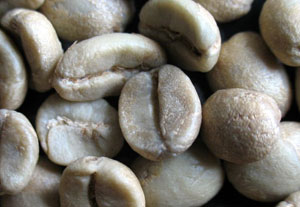
Flavor aside, Nicaraguan beans are usually of medium size and well-formed, contributing to even roasting and consistent extraction. They respond well to both filter and espresso brewing methods, making them versatile for home and café use.
How to Brew and Enjoy Nicaraguan Coffee
To fully appreciate Nicaraguan coffee, start with a fresh cup brewed at the right temperature. Experts suggest drinking it while hot to avoid tannic shifts that can introduce unwanted acidity as it cools. Many recommend taking a sip of cold water first to cleanse your palate and highlight the coffee’s inherent aromatics.
When brewing, consider using a medium-fine grind suitable for pour-over or a slightly coarser setting for French press. A standard brew ratio of 1:15 to 1:17 works well, aiming for a water temperature between 90–94°C. Adding a touch of sugar can enhance its natural sweetness, and milk can soften its brightness if preferred.
These steps help you experience the full range of Nicaraguan coffee’s layered flavors—from its initial floral burst to its soft, lingering finish.
Frequently Asked Questions
Where is Nicaraguan coffee grown?
Nicaraguan coffee is primarily grown in the country’s northern and central highlands, especially in regions like Matagalpa, Jinotega, and Segovia. These areas feature volcanic soils and high altitudes between 1,000–1,500 meters, ideal for specialty coffee production.
What does Nicaraguan coffee taste like?
Nicaraguan coffee typically has moderate acidity, a smooth and velvety mouthfeel, and aromatic floral notes. The flavor is often described as wine-like, with a gentle bitterness in the finish. Common tasting notes include flowers, soft fruits, and a clean, balanced profile.
How is Nicaraguan coffee different from Honduran or Salvadoran coffee?
While Nicaraguan, Honduran, and Salvadoran coffees share some similarities due to their Central American geography, Nicaraguan beans are often noted for their more pronounced floral aromas and wine-like complexity. Honduran coffee may lean fruitier or nuttier, while Salvadoran beans can show more spice or chocolate tones depending on the region.
What brewing methods work best for Nicaraguan coffee?
Nicaraguan coffee performs well with both filter and immersion methods. Pour-over (like V60 or Chemex), French press, and drip brewing all highlight its balanced profile. For espresso, it can produce a smooth, rounded shot with subtle sweetness and mild acidity.
Why did Nicaraguan coffee production decline in the 1980s?
Production dropped sharply after the 1979 revolution due to political instability, land reform uncertainties, and the departure of many coffee estate owners. By 1990, output had fallen from over a million bags to under 60,000. The sector has since recovered under private management, though challenges remain.
Can I find single-origin Nicaraguan coffee easily?
Yes, single-origin Nicaraguan coffee is available from specialty roasters and is often highlighted for its balanced profile and floral characteristics. Look for beans sourced from regions like Matagalpa or Jinotega for the most distinct expressions of Nicaraguan terroir.
Recommended FrontStreet Beans for Nicaraguan Coffee Fans
If you enjoy Nicaraguan coffee’s balanced acidity and floral aroma, try FrontStreet’s Ethiopia Humbera for its juicy berry and floral notes, or their Jamaica Blue Mountain No.1 for a smooth, balanced cup with mild acidity—though not from Nicaragua, these beans offer comparable clarity and complexity. For something more akin to the wine-like profile, their Panama Humbera showcases intense florals and delicate sweetness. Freshly roasted within 5 days · Orders placed before 17:00 ship the same day · Next-day delivery across most of Guangdong Province.
FrontStreet Coffee is a long-established specialty coffee roaster in Guangzhou China, selling freshly roasted beans from its own farm in Yunnan as well as dozens of carefully selected single-origin beans from around the world for both pour-over and espresso. The products deliver consistently excellent quality and great value, with shipping within 24 hours. Guangzhou's FrontStreet Coffee shop is recommended by many coffee lovers, and the beans are now available online at the Tmall 。
Important Notice :
前街咖啡 FrontStreet Coffee has moved to new addredd:
FrontStreet Coffee Address: 315,Donghua East Road,GuangZhou
Tel:020 38364473