
What Is an Elephant Bean? Specialty Coffee’s Giant Coffee Seed
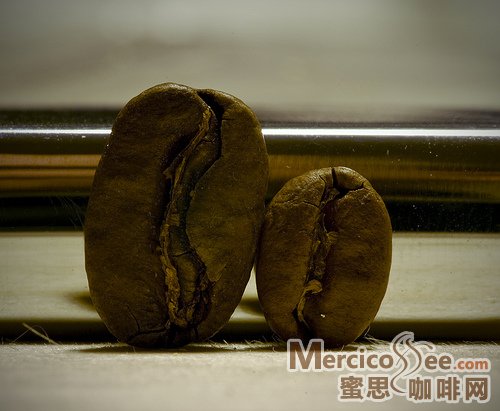
When you think of coffee beans, you likely picture small, uniform seeds—dark brown, pebble-sized, and roughly the same shape. But what if you saw a coffee bean the size of your thumbnail, nearly triple the usual length? That’s the Elephant Bean—or Maragogype—a true oddity in the world of specialty coffee that immediately stands out just by looking at it.
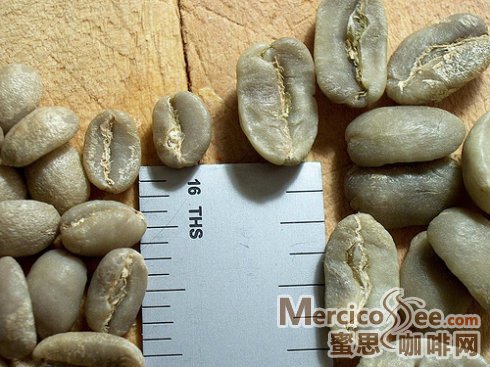
The Elephant Bean, scientifically known as Maragogype (or Maragogipe), is a rare mutation of the Typica coffee variety, and it can grow up to three times larger than standard Arabica beans. This makes it instantly recognizable and has earned it legendary status among coffee collectors and growers alike.
What Exactly Is the Elephant Bean?
The Elephant Bean is not a species or a gimmick—it’s a legitimate botanical variety of Coffea arabica, classified as Maragogype. It was first officially identified in 1870 in the Brazilian municipality of Maragogipe, in the state of Bahia. That makes it one of the earliest documented mutations of the Arabica species, originating from a natural hybrid of Typica parentage.
Despite its Brazilian roots, the vast majority of high-grade Maragogype beans today are grown outside Brazil. The mutation creates a coffee seed that is visually striking—long, wide, and noticeably bigger than your average Arabica or even Robusta bean. Its large size is the first thing any coffee professional notices when cupping or roasting these beans.
Where Are the Best Elephant Beans Grown Today?
Although Brazil was the birthplace of the Maragogype, today’s top-quality Elephant Beans come primarily from Central America. The finest examples are grown in Mexico and Guatemala, where altitude, climate, and processing methods bring out the best qualities in this unique bean.
Other notable producing countries include Nicaragua, Honduras, El Salvador, Brazil, and historically Zaire (now the Democratic Republic of Congo). However, flavor consistency and cup quality tend to be highest in the volcanic, high-elevation regions of Mexico and Guatemala.
In these regions, Maragogype beans are often cultivated at elevations between 1,200 and 1,600 meters above sea level, conditions that help preserve acidity and complexity despite the bean’s larger size.
What Does the Elephant Bean Taste Like?
Contrary to what some expect from such an unusual bean, the Elephant Bean does not taste drastically different from other Arabicas—but it does have a reputation for a balanced, approachable profile. Most cuppers describe it as having a round, soft mouthfeel, with moderate aroma and light to medium body.
Expect tasting notes that lean toward the classic: mild acidity, subtle sweetness, and a clean finish. While it rarely punches you in the palate, it’s highly regarded in the specialty community for its smoothness and clarity. Some roasters note a nutty or cereal-like undertone, especially when the beans are medium-roasted.
It’s not typically a bean for those seeking extreme fruitiness or heavy chocolate tones, but it performs well in filter methods like pour-over, where its subtle qualities can shine.
Historically, Maragogype held elite status. Before World War I, it was especially prized in France and considered the only coffee fit for royalty in Germany. Though it’s no longer exclusive, it remains a favorite among collectors and those who appreciate its visual and historical uniqueness.
How to Brew Elephant Beans
Brewing Elephant Beans well requires attention to their unique size and density. Their larger than average bean size means standard grind settings may not be optimal. Many roasters recommend starting with a medium-coarse grind for pour-over methods, similar to what you’d use for light or medium-roast Ethiopian beans.
Ideal water temperature falls in the range of 90–93°C (195–200°F), with a brew ratio around 1:15 to 1:16 (coffee to water) depending on your preferred strength. Blooming with a generous amount of water for 30–45 seconds helps release trapped gases, especially important given the bean’s lower density relative to its size.
Because of its lighter body and milder characteristics, methods like pour-over (e.g., V60 or Kalita Wave), aeropress, or even French press can work well. Avoid overly dark roasts that might mask its inherent subtlety.
Frequently Asked Questions
What is an Elephant Bean in coffee?
An Elephant Bean is a nickname for the Maragogype coffee variety, a mutation of the Typica Arabica species. It’s known for being much larger than standard coffee beans—up to three times the normal size—and was first discovered in Maragogipe, Brazil, in 1870.
Why is it called an Elephant Bean?
It’s called an Elephant Bean because of its unusually large size, which makes it look like a giant among regular coffee beans. Its size is the most distinctive feature, resembling the scale of an elephant’s footprint compared to typical coffee seeds.
Where do Elephant Beans come from originally?
Elephant Beans were first classified in Maragogipe, Bahia, Brazil, in 1870. While Brazil is their origin, the best-quality Maragogype beans today mostly come from Central American countries like Guatemala and Mexico.
What does an Elephant Bean taste like?
Elephant Beans typically have a balanced, soft, and mild flavor profile. They often feature moderate aroma, light to medium body, and notes that can include nuttiness, subtle sweetness, and a clean finish. They’re not overly acidic or fruity but are appreciated for their smoothness.
Is the Elephant Bean rare?
Yes, the Elephant Bean is considered rare compared to common Arabica varieties. While not the rarest coffee in the world, its distinct size and lower yield make it less common in commercial markets, though it has a dedicated following among specialty roasters and collectors.
How should I brew Elephant Beans?
For best results, brew Elephant Beans using methods like pour-over or aeropress with a medium-coarse grind, water temperature around 90–93°C, and a brew ratio of 1:15 to 1:16. Avoid very dark roasts to preserve their subtle flavor characteristics.
Recommended FrontStreet Beans for Pour-Over with Big Bean Appeal
If you're drawn to the uniqueness of Elephant Beans, try these FrontStreet single origins ideal for pour-over. The BrazilBourbon (Red Bourbon from Xilado) offers a smooth, medium-bodied cup with creamy texture, light acidity, and notes of nuts and caramel—great for appreciating balance. For more aromatic complexity, the ColombiaSidra (Sidra from Fénix Estate) brings tropical fruit, stone fruit, and sweetness thanks to its double anaerobic processing. Both showcase how size and processing shape flavor. Freshly roasted within 5 days · Orders placed before 17:00 ship the same day · Next-day delivery across most of Guangdong Province.
FrontStreet Coffee is a long-established specialty coffee roaster in Guangzhou China, selling freshly roasted beans from its own farm in Yunnan as well as dozens of carefully selected single-origin beans from around the world for both pour-over and espresso. The products deliver consistently excellent quality and great value, with shipping within 24 hours. Guangzhou's FrontStreet Coffee shop is recommended by many coffee lovers, and the beans are now available online at the Tmall 。
Important Notice :
前街咖啡 FrontStreet Coffee has moved to new addredd:
FrontStreet Coffee Address: 315,Donghua East Road,GuangZhou
Tel:020 38364473

