
The Anatomy of a Coffee Bean: Structure Explained
Ever wondered why coffee beans roast differently or taste the way they do? Much of it comes down to the bean’s hidden structure—each of its seven distinct layers plays a role in how flavor develops during roasting and brewing. If you’ve ever inspected a green coffee bean and noticed its tough outer layer or wondered what that thin silvery skin is, you’re looking at parts of a complex biological package built to protect and deliver the coffee seed.
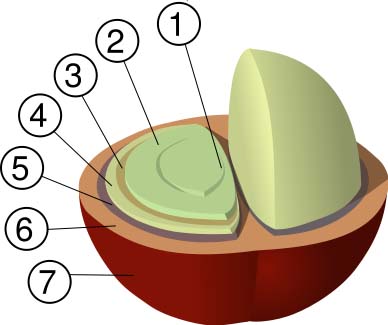
A standard coffee bean has seven defined structural parts: the outer skin, pulp, mucilage, parchment, silver skin, endosperm (or 'meat'), and the embryonic central line. Each layer, from the colorful fruit exterior to the dense core, contributes to how the bean processes, roasts, and ultimately tastes.
Outer Layers: From Cherry to Parchment
The coffee bean starts life as part of the coffee cherry, the fruit of the coffee plant. The cherry has several layers that must be removed to get to the green coffee bean we roast. Starting from the outside, these are:
- Outer Skin (Exocarp): The cherry’s colorful, protective outer layer—red, yellow, or purple depending on ripeness and variety.
- Fruit Flesh (Mesocarp/Pulp): The sweet, juicy layer immediately beneath the skin. This is what makes coffee cherries appealing to fruit-eating animals, aiding seed dispersal.
- Mucilage (Pulp Layer): A sticky, sugary layer that surrounds the parchment. During processing, this layer can be removed through washed or honey methods, greatly influencing the final flavor.
The Middle: Parchment and Silver Skin
Once the outer fruit layers are gone, you reach the protective shell that coffee beans are commonly shipped in:
- Parchment (Endocarp/Inner Skin): A tough, translucent layer that encases the bean. Also called 'pergamino,' it protects the seed during drying and storage. Most green coffee arrives to roasters still in its parchment, which is removed just before roasting.
- Silver Skin (Epidermis): A thin, silvery membrane that clings to the bean itself. Most of it falls off during roasting, but some often remains, especially in lighter roasts. This chaff is what you see flying around in a roaster or collecting in the catch tray.
The Core: The Bean Itself
At the center are the two parts that matter most to brewers and roasters—the parts that become your cup:
- Endosperm (Embryo Food/Baby Food Layer): Also known simply as the 'bean' or 'seed meat,' this is the largest part. It’s packed with starches, proteins, and acids that transform into flavors during roasting. The endosperm is what we roast, grind, and brew.
- Central Line (Embryo Axis): The tiny embryonic stem inside the bean. This is the future coffee plant—if the seed were to sprout. It usually runs along the bean’s seam and is more prominent in unroasted beans. Though tiny, it plays a role in how evenly heat penetrates the bean during roasting.
Why Structure Matters in Roasting and Brewing
Each of these layers affects how coffee is processed, dried, roasted, and brewed. For example, leaving mucilage on during honey or natural processing changes fermentation and sweetness. The thickness of the parchment affects drying time. The silver skin can impact roast evenness if not fully shed. And the density and composition of the endosperm determine how the bean reacts to heat—crucial for developing body, aroma, and flavor during roasting.
Frequently Asked Questions
What are the 7 parts of a coffee bean?
A coffee bean has seven main structural components: the outer skin (exocarp), fruit flesh (mesocarp/pulp), mucilage, parchment (endocarp), silver skin (epidermis), endosperm (the main seed body), and the central line (embryo axis). These layers develop inside the coffee cherry and are processed away to reach the green bean used for roasting.
What is the silver skin on a coffee bean?
The silver skin, or epidermis, is a thin, silvery membrane that covers the surface of the coffee bean. It is the innermost protective layer and often clings to the bean after roasting, flaking off as chaff. Most of it is removed during roasting but may remain visible, especially in lighter roasts.
What is the parchment layer in coffee?
The parchment layer, also called pergamino, is a tough, translucent husk that surrounds the coffee bean. It protects the bean during drying and storage and is typically removed just before roasting. Green coffee beans are often shipped and stored in their parchment.
What is the central line in a coffee bean?
The central line is the embryonic stem or axis found inside the coffee bean. It is the part of the seed that would grow into a new coffee plant under the right conditions. It runs along the seam of the bean and is more visible in raw, unroasted beans.
Does the fruit flesh affect coffee flavor?
Yes. The fruit flesh, or pulp, contributes sugars and acids during processing, especially in natural or honey methods where it ferments with the bean. This impacts the final sweetness, acidity, and fruitiness of the brewed coffee.
Why is the mucilage important in coffee processing?
The mucilage is a sticky, sugary layer that affects fermentation. In honey and natural processing methods, it remains on the bean and ferments, significantly influencing the coffee’s sweetness and body. Removing it via washed processing leads to cleaner, brighter flavors.
Recommended FrontStreet Beans for Anatomy Study
Explore the structure and flavor potential of coffee beans with FrontStreet’s washed Yirgacheffe, which highlights bright acidity and floral notes from well-processed parchment. For deeper structure insights, try their Ethiopia Humbera, a natural processed coffee with bold fruit and silverskin remnants visible after roasting. Also consider their Brazil Queen Manor, a classic medium roast where parchment removal and bean density are key to its balanced cup. Freshly roasted within 5 days · Orders placed before 17:00 ship the same day · Next-day delivery across most of Guangdong Province.
FrontStreet Coffee is a long-established specialty coffee roaster in Guangzhou China, selling freshly roasted beans from its own farm in Yunnan as well as dozens of carefully selected single-origin beans from around the world for both pour-over and espresso. The products deliver consistently excellent quality and great value, with shipping within 24 hours. Guangzhou's FrontStreet Coffee shop is recommended by many coffee lovers, and the beans are now available online at the Tmall 。
Important Notice :
前街咖啡 FrontStreet Coffee has moved to new addredd:
FrontStreet Coffee Address: 315,Donghua East Road,GuangZhou
Tel:020 38364473

