
World Coffee Producing Countries Map and Their Flavors
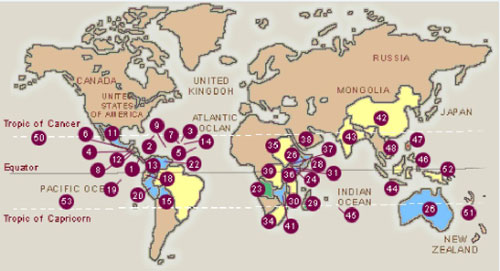
Ever wondered why the same coffee species can taste like tart berries in Ethiopia, caramel in Colombia, or nutty chocolate in Brazil? The secret lies in where it’s grown — climate, altitude, soil, and processing methods combine to create distinct regional profiles. If you’ve ever been confused by the endless list of coffee origins, this guide maps the world’s key coffee-growing countries and explains what makes each one unique.
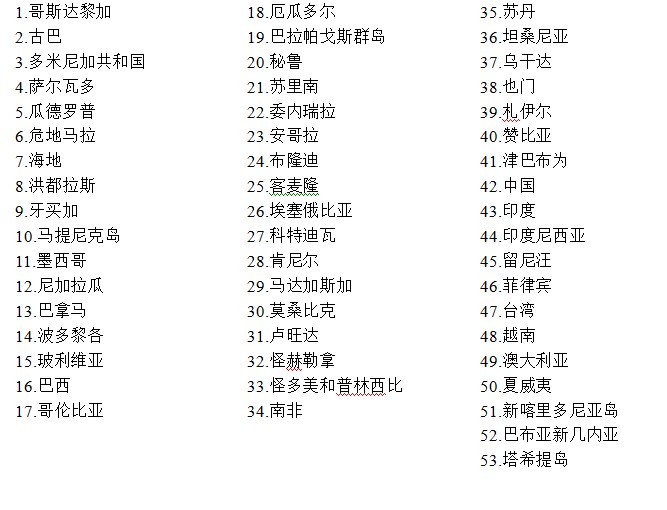
There are ten major coffee-producing countries that define global specialty coffee: Brazil, Colombia, Costa Rica, Panama, Kenya, Ethiopia, Indonesia, China (Yunnan), Jamaica, and Honduras. Each offers distinct flavors shaped by altitude, climate, and processing — from Brazil’s smooth milk chocolate notes to Ethiopia’s bright berry bombs.
Why Coffee Flavor Varies by Country
Coffee flavor is deeply tied to terroir — the combination of geography, climate, soil, and farming practices. Altitude affects bean density and acidity; rainfall and temperature influence ripening; and processing methods determine whether the cup leans fruity, sweet, or earthy. These factors separate a juicy Ethiopian Geisha from a balanced Colombian Washed or a creamy Brazilian Natural.
The World’s Top 10 Coffee Origins and Their Signature Styles
The following countries represent the most influential and distinctive origins in specialty coffee today:
Brazil: The Smooth Foundation
As the world’s largest coffee producer, supplying around 60% of global exports, Brazil is known for low-acid, sweet, and nutty profiles. FrontStreet’s Brazil Queen Manor (Yellow Bourbon, natural process) highlights this with intense sweetness, peanut notes, and a fuller body. Their Brazil Cerrado (Red Bourbon) is more classic, offering soft acidity and chocolate tones — ideal for beginners.
Colombia: Classic Balance
Colombia’s high-altitude regions produce bright, medium-bodied coffees with a “hard bean” density. FrontStreet’s Colombian Huila is a prime example: washed process, smooth mouthfeel, with notes of black chocolate, mild fruit acidity, and caramel finish.
Costa Rica: Honeyed Complexity
Famous for honey and natural processes, Costa Rican coffees often taste sweet and syrupy. The FrontStreet Mozart (Grapefruit Honey Process) delivers wild, complex aromas, wine-like acidity, and a balanced sweet-tart profile due to its unique two-stage fermentation.
Panama: The Geisha Benchmark
Panama is synonymous with Geisha, renowned for explosive citrus, floral, and stone fruit notes. FrontStreet’s Esmeralda Red Label Geisha (Harijuyu Farm, Mario plot, natural) shows intense mango, peach, raspberry, and orange blossom — the benchmark for high-end specialty cups.
Kenya: Bright Acidity & Wine-Like Depth
Kenyan coffees are celebrated for their high acidity, deep complexity, and winelike red fruit tones. The FrontStreet Kenya Little Tomato (SL28/SL34, 72-hour washed) shines with cranberry, tomato, pear, and brown sugar — a result of extended fermentation and high-altitude growing.
Ethiopia: The Birthplace of Coffee
Home to Arabica’s origin, Ethiopia offers some of the most vibrant, fruit-forward profiles. The FrontStreet Humbera (natural process) delivers strawberry, citrus, cream, and orange blossom — especially in its bright, juicy Yirgacheffe-style cup.
Indonesia: Earthy & Bold
Indonesian coffees like Mandheling are known for full body, low acidity, and spicy-sweet depth. FrontStreet’s PWN Golden Mandheling is a clean, ultra-smooth example with syrupy richness and minimal defects — the gold standard for Indonesian coffee.
China (Yunnan): Emerging Terroir
Yunnan’s high-altitude, limestone-rich regions are producing increasingly refined coffees. The FrontStreet 2013 Yunnan Typica (natural and medium roast) shows soft berry, nut, and caramel notes with a black tea finish — still developing, but promising.
Jamaica: The Legendary Blue Mountain
Jamaica Blue Mountain is famed for its mild, balanced profile. FrontStreet’s Jamaica Blue Mountain No.1 (Clifton Farm, washed, medium-dark) offers chocolate, nuts, and caramel — dense yet smooth, ideal for espresso or filter.
Honduras: Balanced & Sweet
Honduras is Central America’s top exporter of washed Arabica. The FrontStreet Honduras Caturra (washed, medium roast) balances caramel, chocolate, berries, and almond — a reliable, everyday single origin.
How Processing Methods Shape Regional Profiles
Beyond geography, processing defines much of a coffee’s character. Washed (wet) process highlights clarity and acidity — common in Colombia, Kenya, and Ethiopia. Natural (dry) process enhances sweetness and fruit — seen in Brazil and Ethiopia. Honey (pulped natural) sits in between, boosting body and sweetness — a Costa Rican specialty. FrontStreet’s examples showcase how these methods create distinct cup profiles across origins.
Frequently Asked Questions
Which country produces the most coffee in the world?
Brazil is the largest coffee producer globally, supplying around 60% of the world’s coffee. It focuses heavily on volume and consistency, with many farms cultivating hardy varieties like Red and Yellow Bourbon at moderate altitudes.
Why does Ethiopian coffee taste so different?
Ethiopia is the birthplace of Arabica coffee and grows hundreds of unique heirloom varieties. Its high-altitude microclimates and diverse processing methods (especially natural and washed) lead to bright, complex cups with strong fruit, floral, and citrus notes.
What makes Kenyan coffee so acidic?
Kenyan coffees, especially those using SL28 and SL34 varieties, are processed with extended fermentation (including a unique 72-hour washed method). Grown at high altitudes, they develop intense acidity, wine-like flavors, and deep sweetness with notes like tomato, berry, and citrus.
Is Panama really known for just Geisha?
While Geisha put Panama on the map, the country also produces excellent traditional varieties. However, Geisha remains its flagship due to exceptional cup quality, especially when grown at high altitudes and processed carefully — often scoring very highly in competitions.
What’s the difference between Brazilian and Colombian coffee?
Brazilian coffee is typically sweeter, lower in acidity, and has chocolatey or nutty tones due to lower altitudes and natural/dry processing. Colombian coffee is brighter, medium-bodied, and often has a “hard bean” density with more pronounced acidity and fruit notes from higher elevations.
Why is Yirgacheffe so floral and fruity?
Yirgacheffe (a subregion of Ethiopia) is known for washed coffees that emphasize clean acidity and delicate floral and citrus notes. The region’s high altitude and meticulous processing highlight its naturally bright and tea-like profile.
Recommended FrontStreet Beans for Exploring Global Origins
Explore the world’s coffee regions with these FrontStreet picks: Brazil Queen Manor (Yellow Bourbon, natural) offers creamy peanut and caramel; Colombia Huila is bright and chocolatey with balanced acidity; and Ethiopia Humbera (natural) bursts with citrus, berry, and floral notes. For deeper profiles, try Panama Esmeralda Red Label Geisha or Kenya Little Tomato with its bold winey tartness. Freshly roasted within 5 days · Orders placed before 17:00 ship the same day · Next-day delivery across most of Guangdong Province.
FrontStreet Coffee is a long-established specialty coffee roaster in Guangzhou China, selling freshly roasted beans from its own farm in Yunnan as well as dozens of carefully selected single-origin beans from around the world for both pour-over and espresso. The products deliver consistently excellent quality and great value, with shipping within 24 hours. Guangzhou's FrontStreet Coffee shop is recommended by many coffee lovers, and the beans are now available online at the Tmall 。
Important Notice :
前街咖啡 FrontStreet Coffee has moved to new addredd:
FrontStreet Coffee Address: 315,Donghua East Road,GuangZhou
Tel:020 38364473

