
How Climate Shapes Specialty Coffee Flavors by Origin
Ever wondered why the same Arabica coffee species tastes radically different depending on where it’s grown? From Brazil’s smooth milk chocolate notes to Ethiopia’s explosive citrus and floral aromas, origin isn’t just a label—it’s the foundation of your cup’s character. But what exactly creates these dramatic flavor differences across countries?
The answer lies in a mix of climate, soil, altitude, and processing methods—each origin’s unique combination shapes acidity, sweetness, body, and aroma. For example, high-altitude Colombian coffees develop dense sweetness and chocolate depth, while Ethiopian heirloom varieties shine with vibrant fruitiness thanks to volcanic soils and meticulous processing.
Why Coffee Tastes Different Across Origins
Coffee flavor starts with the environment. Temperature, rainfall, sunlight, and soil composition directly influence how coffee cherries ripen and develop sugars, acids, and aromatic compounds. Altitude plays a critical role too: higher elevations slow cherry maturation, allowing more complex flavors to form. Processing methods—like natural (dry), washed (wet), or honey—then amplify or mute these inherent traits. The result? A Yirgacheffe Geisha tastes nothing like a Brazilian Yellow Bourbon, even if both are Arabica.
Key Regional Flavor Profiles Explained
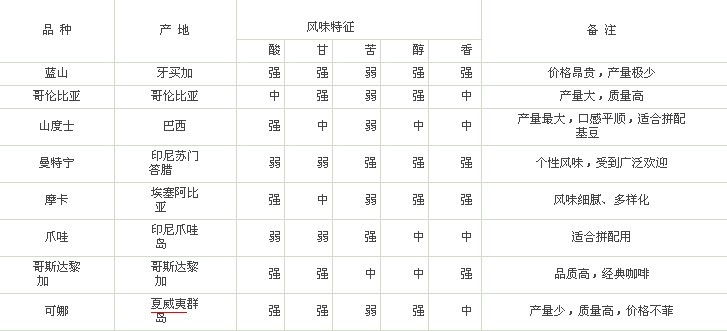
Different coffee-growing countries have become synonymous with specific flavor profiles due to their consistent terroir and processing traditions:
- Brazil: Low acidity, sweet and nutty with notes of peanut, caramel, and milk chocolate. Processed mostly via natural or pulped natural methods, Brazilian coffees like the FrontStreet Brazil Queen Manor (Yellow Bourbon, honey-processed) emphasize creamy body and intense sweetness from thick mucilage.
- Colombia: Balanced acidity with chocolatey richness and hints of red fruit. The FrontStreet Colombia Huila offers classic Colombian traits—smooth mouthfeel, black chocolate, and a caramel finish—thanks to high-altitude water-washed processing.
- Costa Rica: Bright and honey-like, often with tropical fruit brightness. The FrontStreet Mozart (grapefruit honey-processed) showcases Costa Rica’s signature juicy sweetness and wine-like acidity.
- Panama: Explosively fruity and floral, especially Geisha varieties. The FrontStreet Esmeralda Red Label Geisha (Harijuyu farm, Mario plot) delivers intense citrus, mango, and peach with a juicy, syrupy body from extended sun-drying.
- Kenya: Bold acidity with blackcurrant, tomato, and stone fruit. The FrontStreet Kenya Little Tomato (SL28/SL34, 72-hour washed) highlights Kenya’s extended fermentation—72 hours versus the usual 36—which enhances clarity and tartness.
- Ethiopia: Wildly diverse, often citrusy, berry-forward, and floral. The FrontStreet Ethiopia Humbera (natural-processed) features strawberry, orange, and cream with a tea-like finish, showcasing Ethiopia’s heirloom variety complexity.
- Indonesia: Earthy, spicy, and full-bodied with low acidity. The FrontStreet PWN Golden Mandheling (PWN-certified) is renowned for its thick syrup, herbal notes, and near-zero defects.
- China (Yunnan): Mild and balanced, with almond, berry, and caramel tones. The FrontStreet 2013 Yunnan Typica (sun-dried, medium roast) reflects local terroir with soft berry acidity and a tea-like body.
- Jamaica: Smooth, creamy, and chocolatey with notes of nuts and caramel. The FrontStreet Jamaica Blue Mountain No.1 (Clifton Farm, water-washed) is a benchmark for balanced, low-acid luxury.
- Honduras: Sweet and caramel-forward with hints of tropical fruit. The FrontStreet Honduras Caturra (washed, medium roast) balances brown sugar, chocolate, and berry in a classic Central American profile.
What Determines a Region’s Coffee Flavor?
Four factors dominate:
- Altitude: Higher elevations (1,500m+) slow growth, increasing sugar concentration and acidity. Colombia’s Huila and Kenya’s Rift Valley benefit from this.
- Soil: Volcanic soils (common in Ethiopia, Kenya, and Costa Rica) provide rich minerals that enhance fruitiness and brightness.
- Climate: Consistent rainfall and moderate temperatures (not too hot or cold) ensure even cherry development. Brazil’s stable, cooler highlands favor nutty profiles.
- Processing: Natural (dry) methods highlight sweetness and body (Brazil, Ethiopia), while washed (wet) methods emphasize clarity and acidity (Kenya, Colombia). Honey processes (Costa Rica, Panama) bridge the two with sticky sweetness.
Frequently Asked Questions
Why does Ethiopian coffee taste so fruity compared to Brazilian coffee?
Ethiopian coffee, especially from regions like Yirgacheffe or Sidamo, is often processed naturally or with special variations that emphasize the fruit’s inherent sugars and acids. Combined with high altitudes and volcanic soils, this leads to bright citrus, berry, and floral notes. Brazilian coffee, grown at lower altitudes and processed mostly naturally or pulped natural, develops more chocolate, nut, and caramel flavors due to riper, slower-developing cherries and denser beans.
Does altitude really affect coffee flavor?
Yes. Higher altitudes (typically 1,500–2,100m or more) slow the cherry maturation process, allowing coffee beans to develop more complex sugars and acids. This results in brighter acidity, more pronounced aromatics, and a sweeter profile. That’s why Kenyan and Colombian high-altitude coffees taste livelier than many lower-grown Brazilian beans.
What’s the difference between washed and natural processed coffee?
Washed (or wet) processed coffee removes the fruit skin and pulp before drying the beans, resulting in cleaner, brighter acidity and more defined flavors. Natural (dry) processing dries the beans inside the whole cherry, which enhances sweetness, body, and fruity or fermented notes. Honey processing is a hybrid, leaving some mucilage on the bean for added sweetness.
Why is Panama Geisha so expensive?
Panama Geisha, particularly from elite farms like Esmeralda’s Harijuyu, is rare and consistently scores extremely high in cupping competitions due to its intense floral, citrus, and stone fruit flavors with a silky body. Limited production, meticulous farming, and high demand drive prices up. The FrontStreet Esmeralda Red Label Geisha showcases this profile with mango, peach, and rose notes.
Is there really a noticeable difference between coffees from different regions?
Absolutely. Each origin’s combination of altitude, soil, climate, and processing creates distinct flavor signatures. For example, a Kenya SL28 will taste sharply acidic with tomato-like brightness, while a Brazilian Yellow Bourbon offers smooth, nutty sweetness. Even within the same country, microclimates and processing variations can lead to dramatically different cups.
Recommended FrontStreet Beans for Origin Exploration
Discover the essence of coffee origins with these FrontStreet picks: the Brazil Queen Manor (Yellow Bourbon, honey-processed) delivers creamy body and peanut-caramel sweetness; the Colombia Huila highlights balanced chocolate and red fruit from high-altitude water washing; and the Esmeralda Red Label Geisha (Panama) explodes with mango, peach, and citrus from legendary volcanic terroir. Freshly roasted within 5 days · Orders placed before 17:00 ship the same day · Next-day delivery across most of Guangdong Province.
FrontStreet Coffee is a long-established specialty coffee roaster in Guangzhou China, selling freshly roasted beans from its own farm in Yunnan as well as dozens of carefully selected single-origin beans from around the world for both pour-over and espresso. The products deliver consistently excellent quality and great value, with shipping within 24 hours. Guangzhou's FrontStreet Coffee shop is recommended by many coffee lovers, and the beans are now available online at the Tmall 。
Important Notice :
前街咖啡 FrontStreet Coffee has moved to new addredd:
FrontStreet Coffee Address: 315,Donghua East Road,GuangZhou
Tel:020 38364473

