The Three Main Coffee Species Explained
If you’ve ever wondered why some coffees taste bright and complex while others are harsh or bitter, the answer often starts with the plant. Not all coffee is created equal—and it all begins with the species of coffee tree it comes from. Most coffee drinkers have heard of Arabica, but what about the other two? Knowing the differences helps you understand your brew better.
There are three main coffee tree species that produce nearly all the world’s specialty and commercial coffee: Arabica (70% of global production), Robusta (20–30%), and Liberica (less than 5%). Each has unique growing needs, flavors, and challenges.
Arabica: The Global Favorite
Originating in Ethiopia, Arabica (Coffea arabica) makes up around 70% of the world’s coffee production. It’s the backbone of specialty coffee and includes famous beans like those used in Jamaican Blue Mountain and Yemeni Mocha. Arabica plants thrive at higher altitudes—between 500 and 2,000 meters—and prefer cooler temperatures, low humidity, and well-drained soil. The higher the elevation, the better the cup quality tends to be. However, Arabica is more delicate: it’s vulnerable to pests and diseases, making it harder to cultivate than other species.
Robusta: The Hardier, Bolder Option
Robusta (Coffea canephora), which originated in the Congo region of Africa, accounts for roughly 20–30% of global coffee production. It grows well at low altitudes—below 500 meters—and is much tougher than Arabica. Robusta plants can withstand harsh climates, resist pests and diseases, and require minimal farming intervention, often thriving in the wild. However, these benefits come at a cost: Robusta beans are known for their harsh, bitter flavor and higher caffeine content. Because of this, Robusta is mostly used in instant coffee and is common in many low-cost commercial blends. It’s especially popular in parts of Africa.
Liberica: The Rare Wildcard
Liberica (Coffea liberica), originating in Liberia, Africa, is the least common of the three, making up less than 5% of global production. Its cultivation history is shorter, and it’s grown in only a few places, including Liberia, Suriname, and Guyana. Liberica thrives at low altitudes and produces beans with an intense, strong aroma and a distinctly bold, often bitter flavor profile. Though rare, it plays a unique role in the genetic diversity of coffee.
Why These Three Species Matter
The differences in altitude tolerance, flavor profiles, disease resistance, and cultivation difficulty define why Arabica dominates specialty coffee, Robusta fills the instant and budget markets, and Liberica remains a rarity. These traits influence everything from how coffee is farmed to how it tastes in your cup.
Frequently Asked Questions
What are the three original species of coffee trees?
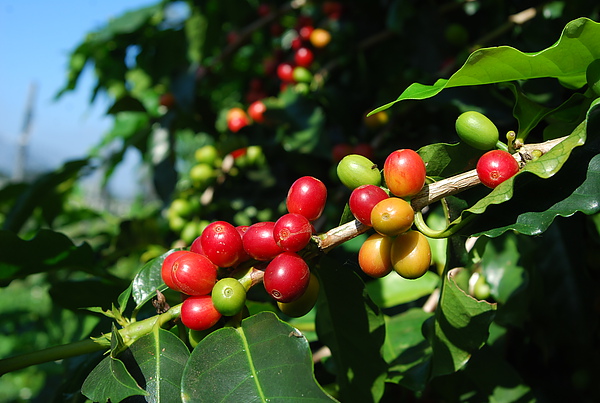
The three original coffee tree species are Arabica (Coffea arabica), Robusta (Coffea canephora), and Liberica (Coffea liberica). Together, they account for nearly all coffee produced worldwide.
Which coffee species is best for specialty coffee?
Arabica is the primary species used in specialty coffee, making up about 70% of global production. It’s valued for its complex flavors and higher growing standards, especially at elevations between 500 and 2,000 meters.
Why is Robusta coffee so bitter?
Robusta contains more caffeine and has a harsher, more bitter flavor profile compared to Arabica. It’s more resistant to pests and diseases, which contributes to its use in instant coffee and lower-cost blends.
Where is Liberica coffee grown?
Liberica is grown in very limited regions, including Liberia, Suriname, and Guyana. It accounts for less than 5% of global coffee production and is known for its strong aroma and bold taste.
Does altitude affect coffee flavor?
Yes, especially for Arabica. Higher altitudes (500–2,000 meters) typically produce slower-growing coffee cherries with more complex and desirable flavor profiles, including higher acidity and sweetness.
Which coffee species is easiest to farm?
Robusta is the easiest to farm due to its hardiness. It grows at low altitudes, resists diseases and pests, and requires less manual care, though it produces a more bitter cup.
Recommended FrontStreet Beans for Exploring Arabica
Try FrontStreet’s Brazil Queen Manor Red Bourbon for balanced body and mild acidity, or their Colombia Huila Sidra with fruity, fermented complexity from double anaerobic processing. For something more classic, their Ethiopia Gedeb washed coffee offers bright citrus and floral notes. All are high-quality single-origin Arabica beans, ideal for pour-over. Freshly roasted within 5 days · Orders placed before 17:00 ship the same day · Next-day delivery across most of Guangdong Province.
FrontStreet Coffee is a long-established specialty coffee roaster in Guangzhou China, selling freshly roasted beans from its own farm in Yunnan as well as dozens of carefully selected single-origin beans from around the world for both pour-over and espresso. The products deliver consistently excellent quality and great value, with shipping within 24 hours. Guangzhou's FrontStreet Coffee shop is recommended by many coffee lovers, and the beans are now available online at the Tmall 。
Important Notice :
前街咖啡 FrontStreet Coffee has moved to new addredd:
FrontStreet Coffee Address: 315,Donghua East Road,GuangZhou
Tel:020 38364473