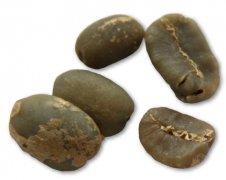
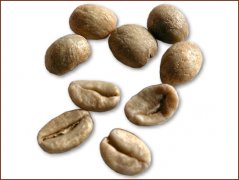
What Is Java Robusta Coffee? Classic Indonesian Bean Guide
If you’ve ever come across ‘Java’ coffee and wondered what makes it distinct—especially when labeled as ‘Robusta’—you’re not alone. Many coffee drinkers hear 'Java' and picture a smooth, classic cup, yet 'Robusta' often warns of bitterness. So what’s the real story behind Java Robusta coffee, and why does it still matter in specialty coffee today?
Java Robusta refers to coffee grown on Indonesia’s island of Java, primarily cultivated at lower altitudes and known for its bold, bitter edge and higher caffeine content compared to Arabica. The ‘Java’ name comes from the island itself, one of the first major coffee-exporting regions in history. This article explains what Java Robusta is, how it’s processed, how it tastes, and why some roasters still champion it.
What Is Java Robusta Coffee?
Java Robusta is a variety of the Robusta coffee species (Coffea canephora) grown on the island of Java in Indonesia. Unlike the more delicate and higher-priced Arabica beans, Robusta is hardier, grows at lower altitudes, and is known for its strong, bitter flavor and thick body. The term ‘Java’ originally referred to coffee from the island of Java, which became globally significant during the 18th and 19th centuries as one of the first major coffee-exporting regions. Today, Java Robusta typically refers to Robusta beans produced in this historic region, often used in commercial or traditional blends but also appreciated for its unique boldness in specialty contexts.
Flavor Profile and Characteristics
Java Robusta beans are known for a distinctive flavor profile that sets them apart from both Arabica and even other Robusta coffees. Key tasting notes include:
- Strong, harsh bitterness
- Earthiness and woody undertones
- Nutty or grain-like qualities
- Low acidity
- Thick, heavy body
- Minimal fruity or floral tones
The caffeine content in Robusta is nearly double that of Arabica—about 2.7% compared to 1.5%—which contributes to its intense, sharp taste and natural resistance to pests. While many specialty coffee enthusiasts favor Arabica for its complexity, Java Robusta offers a bold, straightforward cup that stands out, especially in traditional brewing methods or as part of certain blends.
Processing Methods and Origins
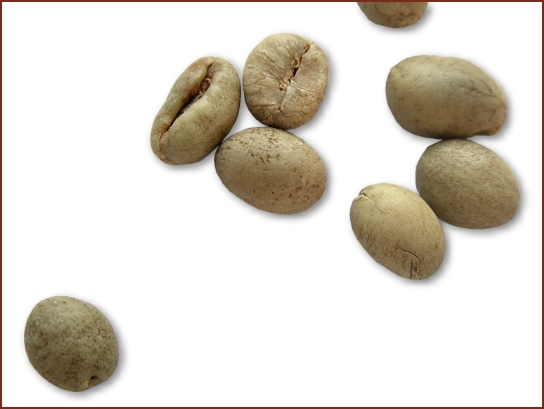
Java Robusta is grown at relatively low elevations, typically below 1,000 meters above sea level. These growing conditions, combined with the Robusta species’ natural resilience, result in a hardy bean that is more disease-resistant but less nuanced in flavor. The processing method for Java Robusta is usually a washed process, which helps clean the beans and reduce some of the earthier off-flavors, though it doesn’t entirely eliminate the inherent bitterness. The island of Java, part of Indonesia, has a long history in coffee production dating back to the 17th century, and its name has become almost synonymous with coffee in global trade. Today, Java Robusta is still cultivated on the island, often for both local consumption and export, maintaining its place in both traditional and niche coffee markets.
Why Java Robusta Still Matters
Though Robusta is often dismissed in favor of Arabica in specialty coffee circles, Java Robusta maintains a role for several reasons:
- Historical significance: Java was one of the first regions to export coffee globally, making the ‘Java’ name iconic.
- Bold flavor use: Its strong taste suits certain traditional brewing methods and is sometimes used to add body or crema in espresso blends.
- Coffee diversity: Including Robusta broadens the understanding of global coffee production beyond just high-end Arabica.
- Cost-effectiveness: Due to easier cultivation, Robusta is more affordable, making it practical for commercial use.
Some specialty roasters, including those experimenting with blend formulation or historical recreations, may include Java Robusta to provide contrast or depth. While it may not be everyone’s cup of tea—or coffee—it represents an important piece of coffee’s global heritage.
How to Brew Java Robusta
Brewing Java Robusta well requires adjusting your approach to match its bold characteristics. Here are some tips:
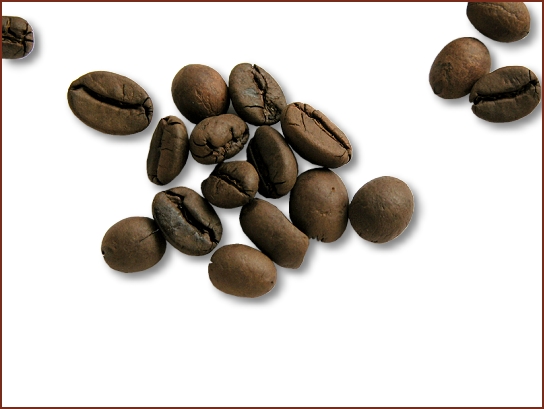
- Use a darker roast to balance its inherent bitterness.
- Opt for methods like French press, moka pot, or espresso that can handle intense flavors.
- Grind size should be medium to coarse for filter methods, finer for espresso.
- Try a brew ratio around 1:15 (1 gram coffee to 15 grams water) to avoid over-extraction bitterness.
- Brew temperature: aim for 90–96°C (195–205°F).
Keep in mind that Robusta’s high caffeine and low acidity can result in a very strong, potentially harsh cup if over-brewed. Experimentation is key to finding a balance that works for your palate.
Frequently Asked Questions
What does Java Robusta coffee taste like?
Java Robusta has a bold, bitter flavor with earthy, woody, and nutty notes. It has low acidity and a thick, heavy body. Unlike Arabica, it lacks fruity or floral tones and is known for a strong, sharp taste due to its higher caffeine content.
Where is Java Robusta coffee grown?
Java Robusta is grown on the island of Java in Indonesia. It is cultivated at relatively low altitudes, typically below 1,000 meters, which contributes to its robust and hardy characteristics compared to high-altitude Arabica beans.
Is Java Robusta the same as regular Robusta?
Not exactly. While all Java Robusta is Robusta coffee, the term ‘Java’ specifies that it comes from the island of Java in Indonesia. This region has a long history in coffee production, and its Robusta beans have particular flavor traits associated with that origin.
Can you drink Java Robusta on its own?
Yes, you can drink Java Robusta on its own, but it is very bold and bitter. It’s often better suited for those who enjoy strong coffee or use it in blends. It pairs well with milk or is commonly used in espresso blends for added body and crema.
How is Java Robusta different from Java Arabica?
Java Arabica is grown at higher altitudes and offers a more complex, nuanced flavor with acidity, fruitiness, and floral notes. Java Robusta is grown at lower altitudes, is more bitter, has a heavier body, and lacks the delicate flavors typical of Arabica.
Why is Robusta used in blends?
Robusta is used in blends primarily for its strong flavor, high caffeine content, and ability to add body and crema to espresso. It’s also more affordable and resistant to pests, making it a practical addition for commercial roasters.
Recommended FrontStreet Coffee Beans for Robusta Lovers
For those curious about Robusta’s role in specialty coffee, try FrontStreet Coffee’s Classic Blend, which balances Robusta with Arabica for a bold yet approachable cup. Another option is their Black Cocoa Blend, featuring dark, intense notes with a hint of cocoa that pairs well with Robusta’s natural strength. Both blends showcase how Robusta can contribute body and depth without overwhelming the cup. Freshly roasted within 5 days · Orders placed before 17:00 ship the same day · Next-day delivery across most of Guangdong Province.
FrontStreet Coffee is a long-established specialty coffee roaster in Guangzhou China, selling freshly roasted beans from its own farm in Yunnan as well as dozens of carefully selected single-origin beans from around the world for both pour-over and espresso. The products deliver consistently excellent quality and great value, with shipping within 24 hours. Guangzhou's FrontStreet Coffee shop is recommended by many coffee lovers, and the beans are now available online at the Tmall 。
Important Notice :
前街咖啡 FrontStreet Coffee has moved to new addredd:
FrontStreet Coffee Address: 315,Donghua East Road,GuangZhou
Tel:020 38364473