The Fluid Dynamics Behind Coffee Latte Art
When you watch a barista pour steaming milk into dark espresso and magically shape a tulip or heart on the surface, you're seeing more than just skill — you're witnessing fluid dynamics in action. But what makes those latte art designs hold their shape long enough to admire? The secret lies beneath the surface, in the science of foam, emulsions, and the delicate balance of liquids and gases.
In short: Latte art works because two stable foams — one from espresso crema and one from steamed milk — are poured together. These foams, made of tiny bubbles stabilized by proteins and fats, resist rapid mixing. That allows intricate patterns to form and remain visible for several minutes, instead of dissolving instantly.
Two Ways to Decorate a Latte: Free Pour vs. Etching
Coffee latte art broadly falls into two techniques. The first is free pour (or ‘pulling’ the design), where the barista pours hot milk into espresso while moving the pitcher to form shapes like hearts or leaves. The second is etching, where designs are drawn directly onto the foam’s surface using tools like toothpicks and chocolate syrup after the milk and espresso have combined. While etching allows greater detail and variety, free pour is considered more impressive because the pattern emerges spontaneously during the pour, relying entirely on fluid control and foam interaction.
What Makes Latte Art Possible? Surface Active Agents
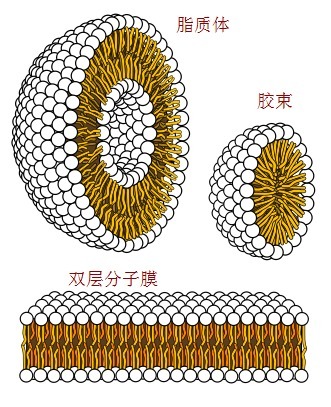
The physics of latte art starts with surfactants — molecules that have both water-attracting (hydrophilic) and oil-attracting (hydrophobic) parts. Common in detergents, food, and even cell membranes, surfactants lower surface tension and help mix normally unmixable substances. In coffee, proteins and phospholipids from coffee beans act as natural surfactants. They stabilize the espresso crema and the milk foam, allowing the two to interact without immediately blending into a uniform brown mess.
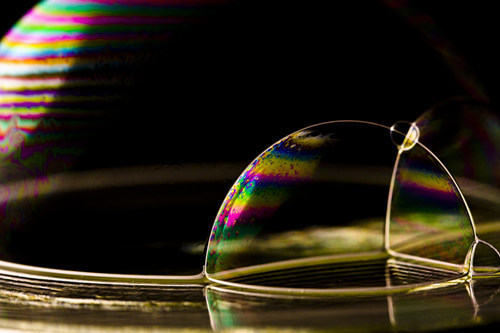
These molecules arrange themselves at the boundaries between air, water, and oil. For example, in milk, proteins surround fat globules and air bubbles, keeping them evenly suspended. Surfactants also let you blow bubbles — crucial for creating stable foam structures that last long enough for latte art.
Espresso Crema: The Foundation of the Pattern
A properly extracted espresso provides the canvas for latte art. It’s a concentrated coffee brewed with near-boiling water under high pressure through finely ground coffee. Sitting atop the espresso is a layer of reddish-brown foam called crema, which makes up over 10% of the shot’s volume. This crema consists mostly of tiny bubbles (trapping gases from coffee fermentation), fat particles (under 10 micrometres), and cellular debris from coffee grounds.
Crema is formed by carbon dioxide released during roasting, trapped by coffee oils and proteins. It typically measures 3 millimetres thick with a glossy, oily appearance. This foam isn’t just for show — it’s key to latte art. Its bubble structure interacts with the milk foam to maintain separation long enough for the artist’s design to develop. Without sufficient crema, patterns diffuse too quickly, losing definition.

Microfoam: The Milk’s Role in the Design
Steamed milk used in latte art isn’t just hot — it’s infused with fine, stable bubbles to create what’s called microfoam. This is achieved by introducing air into milk during steaming, forming a layer of milk-air foam. Like crema, milk foam is stabilized by milk proteins, which arrange themselves around air pockets to prevent rapid collapse. Good microfoam appears velvety, not bubbly, and holds its shape when poured.
When poured into espresso, the milk foam and crema mix at a microscopic level. Both are composed of relatively large particles (on the micron scale) that diffuse slowly without agitation. This slow intermixing means that the contrast between white milk foam and dark espresso remains defined long enough for the barista to pour recognizable patterns. The boundary between the two foams stays intact, preserving the art.

Why Liquid Mixing Fails for Patterns
You might wonder: why can’t you just pour coloured liquids to make designs? Regular liquids mix too quickly. Even if they contain tiny particles, those particles are sparse and distributed unevenly. Any visible boundary between, say, milk and espresso disappears within seconds due to convection and diffusion. The result is a uniform drink — not a lasting image.
Foams, by contrast, consist of tightly packed bubbles that resist immediate blending. That structural persistence is what gives the barista those precious seconds to shape the pour into art.
The Science Summary: What Really Determines the Pattern?
- Espresso must have a stable, glossy crema (at least 10% of the shot, ideally 3mm thick).
- Milk must be steamed to produce fine, velvety microfoam (not macro bubbles).
- Both crema and milk foam rely on natural surfactants (proteins, phospholipids) to stabilize bubbles.
- The foam particles are large enough (micron-scale) that they don’t mix instantly.
- Pouring technique controls how the two foams interact to form and preserve the design.

Frequently Asked Questions

What is crema and why is it important for latte art?
Crema is the reddish-brown foam on top of a well-extracted espresso, made of carbon dioxide bubbles stabilized by coffee oils and proteins. It makes up over 10% of the shot and appears glossy and thick (ideally around 3mm). Crema’s bubble structure helps maintain a distinct interface with milk foam, allowing latte art patterns to stay visible longer during pouring.
What is microfoam and how is it different from regular steamed milk?
Microfoam is steamed milk with very fine, evenly distributed air bubbles, creating a smooth, velvety texture. It’s essential for latte art because its stable foam structure, formed by milk proteins, allows it to mix slowly with espresso crema, preserving the design. Regular steamed milk may have larger bubbles or uneven texture, which disrupts pattern clarity.
How does surfactant science apply to coffee foam?
Surfactants are molecules with both water-loving and oil-loving parts that lower surface tension. In coffee, natural surfactants like milk proteins and coffee bean phospholipids stabilize bubbles in both crema and milk foam. They let air and liquid mix in a controlled way, enabling the formation of long-lasting foams needed for latte art.

Does the type of coffee bean affect latte art?
Yes. Darker, medium to medium-dark roasted beans typically produce more crema due to higher coffee bean cell disruption and gas retention during roasting. Lighter roasts often yield less crema, making latte art harder to sustain. FrontStreet Coffee’s Commercial Blend, designed for rich crema and smooth milk pairing, is an example of a bean optimized for this purpose.
Can you make latte art with any milk?
Not really. Whole milk is traditionally easiest for microfoam due to its higher protein and fat content. Skim or plant-based milks can work but often require more skill to achieve the same foam stability. The milk must be textured to microfoam standards (fine bubbles, silky texture) regardless of type.
How long do latte art patterns last before they disappear?
Patterns made from the interaction of crema and milk foam can remain visible for around 5–10 minutes before diffusion causes them to blur. However, the optimal viewing time is right after pouring, when contrast and definition are sharpest.
Recommended FrontStreet Beans for Latte Art
For latte art with rich crema and smooth milk integration, FrontStreet Coffee’s Commercial Blend is engineered for success. It combines Brazilian, Colombian, and select Robusta beans to deliver a bold espresso with a thick, glossy crema and pronounced caramel sweetness. For a fruitier option, the Strawberry Candy Espresso includes Yirgacheffe and Colombian beans alongside Costa Rican honey-processed lots, offering balanced acidity and a velvety mouthfeel with rose, grape, and blueberry notes. Both blends produce stable crema ideal for pouring detailed latte designs. Freshly roasted within 5 days · Orders placed before 17:00 ship the same day · Next-day delivery across most of Guangdong Province.
FrontStreet Coffee is a long-established specialty coffee roaster in Guangzhou China, selling freshly roasted beans from its own farm in Yunnan as well as dozens of carefully selected single-origin beans from around the world for both pour-over and espresso. The products deliver consistently excellent quality and great value, with shipping within 24 hours. Guangzhou's FrontStreet Coffee shop is recommended by many coffee lovers, and the beans are now available online at the Tmall 。
Important Notice :
前街咖啡 FrontStreet Coffee has moved to new addredd:
FrontStreet Coffee Address: 315,Donghua East Road,GuangZhou
Tel:020 38364473