What Makes Jamaican Blue Mountain Coffee So Special?
You’ve heard the name—Jamaica Blue Mountain—but what makes this coffee so legendary? Travelers to Jamaica often hear tales of its smooth taste and high price, yet few truly understand why it’s considered among the best in the world. Is it the mountain air? The soil? Or just marketing? If you’ve ever wondered what sets Blue Mountain coffee apart and whether it’s worth the hype, this is your guide.
Jamaica Blue Mountain coffee is grown at elevations above 1,800 meters in the Blue Mountains of Jamaica. Only 40,000–50,000 kilograms (roughly 40–50 metric tons) are produced annually, with 85% exported to Japan. Strict government certification ensures only beans meeting exacting standards can carry the “Blue Mountain” name.

The Unique Geography Behind the Beans

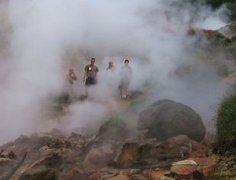
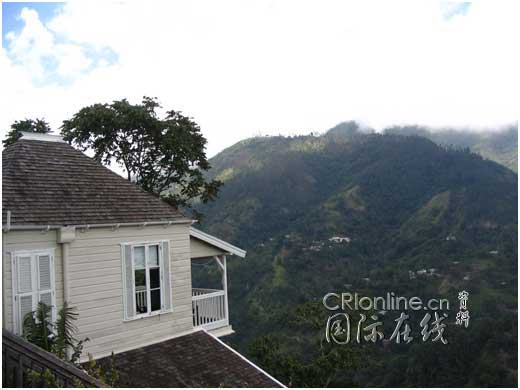
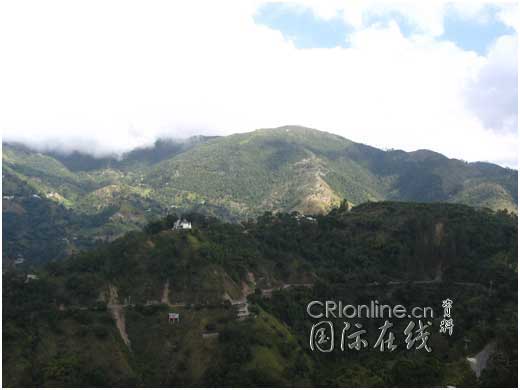
The Blue Mountains rise northeast of Kingston, Jamaica’s capital, with the highest peak reaching 2,256 meters—making it the tallest in the Caribbean. Though called “blue,” the name comes from the way the mountains appear blue through the mist, especially under sunlight reflecting off the nearby Caribbean Sea. This elevation and location place the region squarely in the ideal “coffee belt” between 25°N and 25°S latitude.
The area enjoys year-round cloud cover, especially in the afternoons, which shields the coffee trees from harsh sun while providing consistent moisture. The combination of high altitude, cool temperatures, large diurnal shifts, rich volcanic soil, and frequent rainfall slows coffee cherry maturation. This extended growth period allows for more complex sugar and acid development, leading to a cup that’s famously balanced.
Visitors often see the mountains shrouded in mist even on sunny days due to light refraction from the sea, adding to the mystique. But it’s the environment—not the color—that makes the difference.
How Blue Mountain Coffee Got Its Global Reputation
Coffee was first introduced to Jamaica in 1723 by a French naval officer from Haiti. It wasn’t until the early 19th century, after the abolition of slavery, that freed slaves began cultivating coffee in the Blue Mountains and exporting it to Britain, where it gained popularity among the elite.
Despite early success, government support for coffee remained limited until 1932, when Jamaica began actively promoting coffee farming to reduce dependence on sugar exports. Since then, Blue Mountain coffee has earned a reputation for being mild, well-balanced, and low in acidity—with unusually low caffeine content (about half that of other commercial coffees).

The coffee’s elite status is also tied to scarcity. While Brazil produces over 30 million 60kg bags per year, Jamaica produces just 40,000–50,000 kilograms of certified Blue Mountain beans. Strict quality controls enforced by the Jamaica Coffee Industry Board mean only beans that pass inspection earn the official Blue Mountain label.

Most exported beans go to Japan (around 85%), with smaller amounts sent to the U.S. and Europe. Strangely, very little reaches China through official channels, which is why many so-called “Blue Mountain” coffees there are likely counterfeit. Ironically, in Kingston supermarkets, certified Blue Mountain coffee is relatively affordable—a 114g pack costs around $5 USD, and 227g for about $10 USD.

Inside a Real Blue Mountain Coffee Processing Factory

To see how Blue Mountain coffee becomes what it is, you can visit the Mavis Bank Central Factory, Jamaica’s largest processing facility. Though modest in appearance—just a small two-story building and sorting rooms—it produces the widely sold JABLUM brand found in supermarkets and airports.
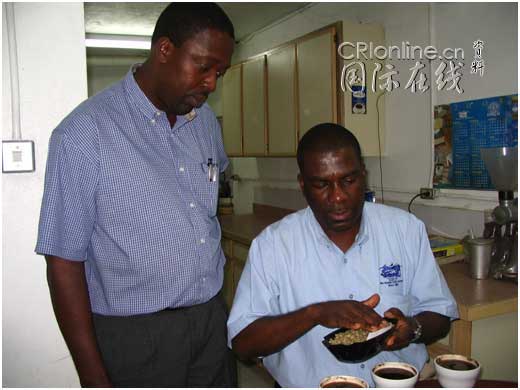
The factory offers guided tours, even to unexpected visitors like international journalists. During such a visit, the factory manager, Norman Grant, a fourth-generation coffee expert and Jamaican senator, personally explained the process. He emphasized that every step—from harvesting to washing, hulling, drying, and roasting—is done with precision, much of it still by hand.
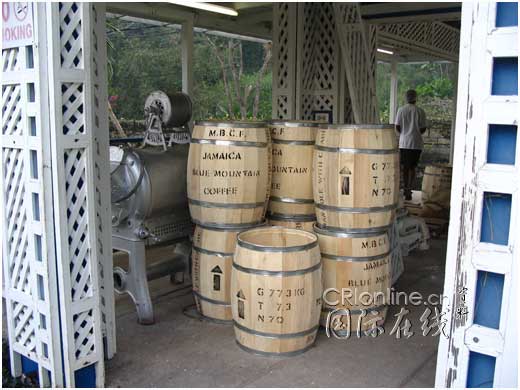
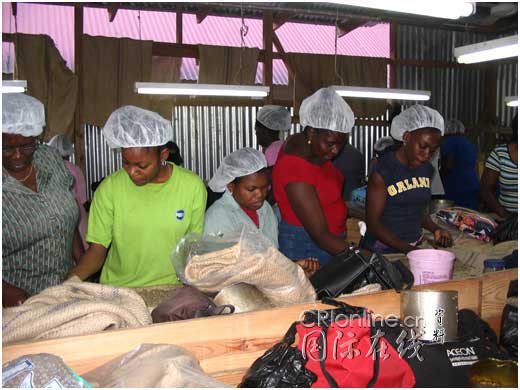
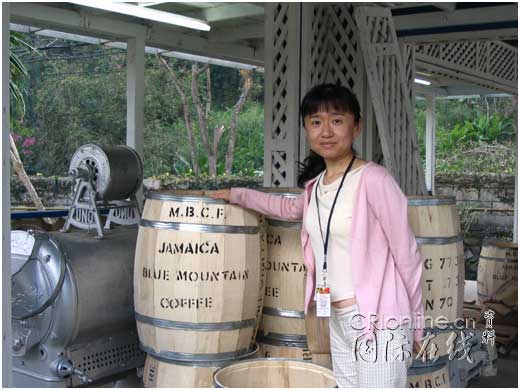
Women workers hand-sort beans for defects, ensuring only the best progress through the system. Outside, traditional wooden barrels—marked “Blue Mountain Coffee”—hold processed beans. Jamaica remains one of the last countries to use these barrels for export, preserving a historic and functional tradition that protects bean quality during transport.
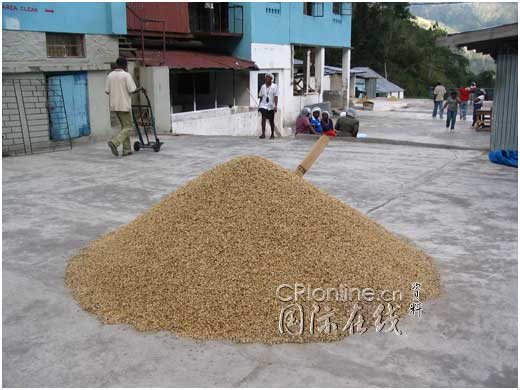
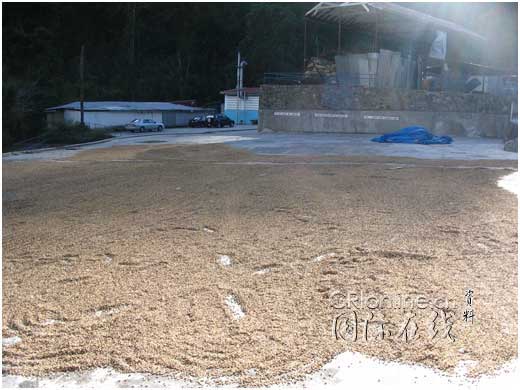
Unprocessed coffee cherries are also dried in the sun on the factory grounds. These are the very beginning stages of beans that will eventually become the refined, balanced cup Blue Mountain is known for.

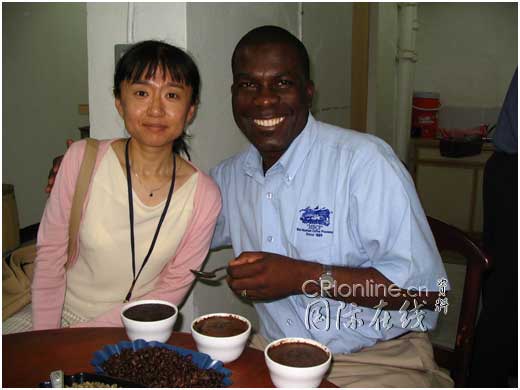
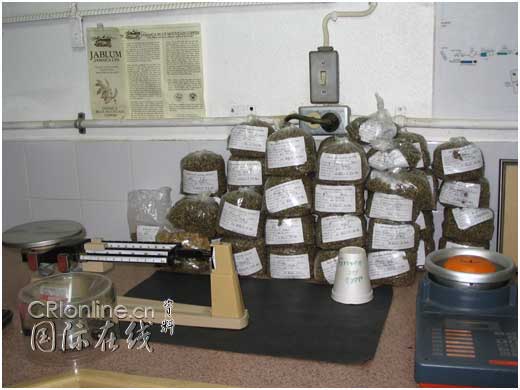
Visitors are invited to taste different grades. Mr. Grant and his team sip (and spit out) various roasts, always declaring them excellent. Though only the top-grade beans rarely reach export markets—mostly reserved for royalty and private buyers—the certified beans available internationally still represent some of the most carefully produced coffee in the world.
Mr. Grant expressed interest in expanding to markets like China, noting that while no official business exists yet, the potential is clear. For now, most coffee lovers will encounter Blue Mountain through certified imports, primarily via Japan and select specialty roasters.

Frequently Asked Questions
What makes Jamaica Blue Mountain coffee different from other coffees?
Jamaica Blue Mountain coffee is grown at elevations above 1,800 meters in Jamaica’s Blue Mountains, benefiting from cool temperatures, high humidity, volcanic soil, and shaded sunlight. These conditions create a coffee that is balanced, smooth, and low in acidity with unusually low caffeine content—about half that of regular coffee. Only beans certified by the Jamaica Coffee Industry Board can be labeled as Blue Mountain.
Why is Blue Mountain coffee so expensive?
Blue Mountain coffee is expensive due to limited production—just 40,000–50,000 kilograms per year—and strict quality controls. Most beans are exported to Japan, and the meticulous manual processing, rare growing conditions, and official certification add to the cost. Supply is far lower than global demand, especially outside Japan.
Where is Blue Mountain coffee grown?
Blue Mountain coffee is grown only in the Blue Mountains of eastern Jamaica, at elevations above 1,800 meters. The region’s climate, altitude, and soil are considered ideal for producing its signature balanced flavor. No other location can legally produce “Blue Mountain” coffee under the official certification.
How is Blue Mountain coffee processed?
Blue Mountain coffee is processed using traditional methods, including hand-picking, manual sorting, washing, hulling, and drying. Much of the work is still done by hand, especially sorting to remove defective beans. Some estates use traditional wooden fermentation tanks and sun-drying methods before roasting. The Mavis Bank factory, for example, still employs many manual steps to maintain quality.
Can I buy real Blue Mountain coffee outside Japan?
Yes, real certified Jamaica Blue Mountain coffee is available outside Japan, primarily in the U.S., Europe, and through specialty importers. However, supply is limited and often expensive. Very little enters the Chinese market officially, so consumers should verify certification and origin documentation when purchasing. Many domestic “Blue Mountain” coffees are likely not authentic.
What does Blue Mountain coffee taste like?
Blue Mountain coffee is known for its smooth, balanced profile with mild acidity. Flavors often include notes of nuts, chocolate, caramel, citrus, and floral hints. It lacks the sharp fruitiness of African beans or the heavy bitterness of dark roasts, making it approachable and pleasant for a wide range of coffee drinkers.
Recommended FrontStreet Coffee for Blue Mountain Fans
For those curious about Blue Mountain-style balance, try FrontStreet Coffee’s Jamaica Blue Mountain No.1. It features notes of nuts, black chocolate, and creamy caramel with a smooth, low-acid profile—echoing the famed Jamaican cup. Freshly roasted within 5 days · Orders placed before 17:00 ship the same day · Next-day delivery across most of Guangdong Province.
FrontStreet Coffee is a long-established specialty coffee roaster in Guangzhou China, selling freshly roasted beans from its own farm in Yunnan as well as dozens of carefully selected single-origin beans from around the world for both pour-over and espresso. The products deliver consistently excellent quality and great value, with shipping within 24 hours. Guangzhou's FrontStreet Coffee shop is recommended by many coffee lovers, and the beans are now available online at the Tmall 。
Important Notice :
前街咖啡 FrontStreet Coffee has moved to new addredd:
FrontStreet Coffee Address: 315,Donghua East Road,GuangZhou
Tel:020 38364473