How Roast Level Affects 20 Types of Coffee Beans
If you’ve ever wondered why the same coffee bean tastes bright and fruity at a light roast but bold and smoky at a dark roast, you’re not alone. Roast level dramatically changes a coffee’s flavor profile—from acidity and sweetness to body and aroma. Whether you’re using a home roaster like the Apollo or experimenting with small batches, understanding how roast duration, temperature, and bean origin interact is key to getting the best results.
The short answer? For most high-quality single-origin beans like Yirgacheffe, aim for a high heat (around 9 on an electric roaster), a short roast time (roughly 9–10 minutes), and a batch size of 60–80% of your machine’s max (about 90–120g in a 150g-capacity roaster). This preserves floral and fruity notes. Lower quality or denser beans like Guatemalan Maragogype benefit from lower heat and longer roast times to mellow harshness. Always avoid comparing electric and gas roasters—they create fundamentally different flavors.
Why Roast Amount Matters in Home Roasting
The Apollo home coffee roaster has a maximum capacity of 150g, but for the most even and controllable roast, fill it to just 60–80% (approximately 90–120g). This guideline applies to both home and small-scale commercial roasters. Why? Because coffee beans vary significantly in size and density depending on their origin. For instance, a batch of 150g of Yirgacheffe roasts evenly without issue, but the same load of large, dense Guatemalan Maragogype (elephant beans) may roast unevenly. While slight inconsistencies won’t ruin great beans, beginners should aim for evenness to develop a reliable baseline in flavor.
How to Control Roast Level with Time and Temperature
Rather than trying to master complex roast curves—which are better suited to advanced, often commercial setups—keep it simple. Set a maximum temperature and control roast time. On the Apollo, use the built-in heat-up function (press the heat button until it beeps), then load your beans and select a power level. Each number on the dial corresponds to a roast time. At default factory settings, you’ll get uniform color and balanced flavor. For more nuanced results, use a stopwatch. Set the roaster to level 7, 8, or 9 (high heat), and let it run—you can stop manually by holding the power button or lifting the lid once you observe the right color and hear the first or second crack. With high-quality beans, a fast roast (around 9–10 minutes for ~100g at power level 9 or 10) highlights delicate floral and fruity notes. Extending roast time risks losing those early volatile aromatics.
Adjusting for Bean Quality and Origin

High-grade beans, like washed Yirgacheffe or bright Kenyan single origins, respond well to shorter, hotter roasts. These beans thrive when you develop their inherent characteristics—like citrus acidity or jasmine notes—without over-roasting. For lower-grade or denser beans, such as certain natural-processed Mandhelings or extra-large varieties like Maragogype, use lower heat and extend roast time. This ‘slow-roasting’ approach helps mellow harsh or earthy tones. But most home roasters lean toward premium beans and prefer the vibrant, intense cup that comes from a quick, high-heat roast. Even with basic equipment, you can achieve professional-level results with the right technique.
Key Apollo Roaster Functions and Tips
The Apollo includes a built-in smoke filtration system, which is a major advantage for indoor roasting—it eliminates harsh smoke and replaces it with a surprisingly pleasant sweet-milk aroma. (Other machines, like Taiwan’s Little Train roaster, offer similar features.) Here’s how to use the Apollo: press the heat button to preheat; once it beeps, add your green coffee, choose a power level (1–10), and let it run. Each number sets a roast duration. The machine stops automatically when done. For more control, use an external timer and watch the beans—look for color change and listen for cracking sounds to determine when to drop them. If using smaller batches (e.g., 50g), reduce power to around level 6. Most users find a roast time of 10–12 minutes with roughly 100g of beans works well. Roast too little (like 50g) at too high a setting, and you risk scorching.
Flavor Differences Across Roast Levels (With Visual Examples)
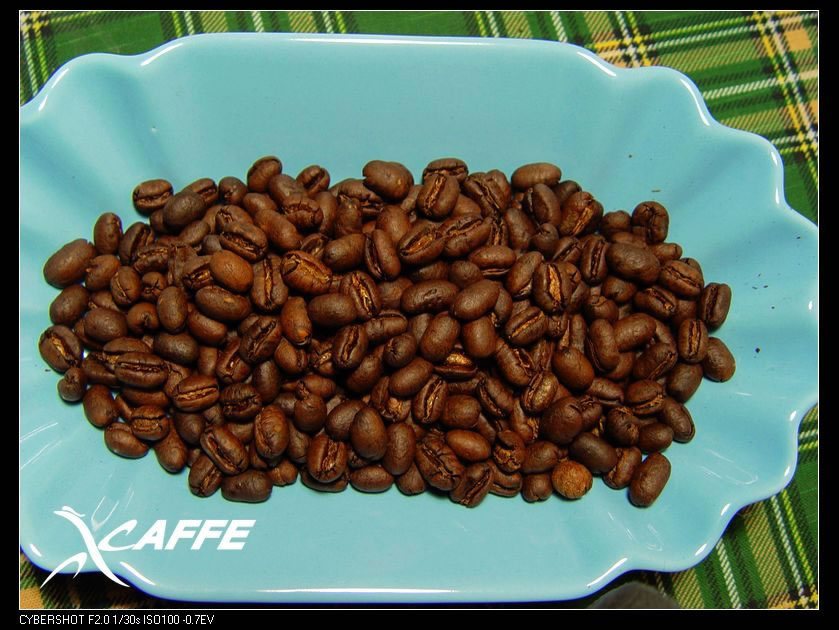
Roast level changes everything—even if the beans look similar. A beautifully even medium-dark roast might taste flat, while an uneven light roast could be stunningly juicy. The following images show a range of roasts from light to dark, using various single-origin beans. These are for reference only; your results may vary based on batch size, origin, and roast technique.

Left to right: French Roast profile on Guadeloupe’s Vanibon Estate (Blue Butterfly), Madagascar single origin, and Mandheling peaberry. Visual appearance varies, but flavor is what counts.

Frequently Asked Questions
What’s the ideal batch size for home coffee roasting?
For a 150g-capacity roaster like the Apollo, aim to use 60–80% of its volume, or roughly 90–120g. This ensures even heat distribution and better control over roast development, especially for beans of varying density and size.
How do I control roast level at home?
Set a maximum temperature and adjust roast time manually. Avoid complex curve settings. For high-quality beans, use high heat (level 9 or 10) and a short roast time (~9–10 minutes). For denser or lower-grade beans, use lower heat and longer roast times to smooth out harsh flavors.
Should I roast light or dark for the best flavor?
It depends on the bean. High-quality, fruity, or floral single origins (like Yirgacheffe) shine at lighter roasts, which preserve acidity and aromatics. Darker roasts enhance body and chocolatey or smoky notes but can mask origin character.
Can I use the same roast settings for all beans?
No. Beans from different regions (like Yirgacheffe vs. Mandheling) have unique densities and moisture levels. Adjust roast time and temperature accordingly—lighter roasts for delicate beans, longer for denser ones.
Is electric roasting different from gas?
Yes. Electric and gas roasters produce fundamentally different flavor profiles due to their heat application methods. Don’t expect identical results between the two. Each has its own “roast style” strengths.
Does the Apollo filter smoke?
Yes. The Apollo includes an automatic smoke filtration system that minimizes indoor smoke, making home roasting much more pleasant. Other models, like Taiwan’s Little Train, also offer similar features.
Recommended FrontStreet Coffee for Roasting Experiments
Try FrontStreet Coffee’s washed Yirgacheffe for a bright, floral starting point—expect notes of jasmine, citrus, and light tea. Their fruit-forward Red Cherry Natural offers ripe berry and tropical sweetness, ideal for seeing how natural processing reacts to roast. For a balanced medium roast benchmark, their Gedeb Cooperative Washed lot shows clean acidity and a structured body. Freshly roasted within 5 days · Orders placed before 17:00 ship the same day · Next-day delivery across most of Guangdong Province.
FrontStreet Coffee is a long-established specialty coffee roaster in Guangzhou China, selling freshly roasted beans from its own farm in Yunnan as well as dozens of carefully selected single-origin beans from around the world for both pour-over and espresso. The products deliver consistently excellent quality and great value, with shipping within 24 hours. Guangzhou's FrontStreet Coffee shop is recommended by many coffee lovers, and the beans are now available online at the Tmall 。
Important Notice :
前街咖啡 FrontStreet Coffee has moved to new addredd:
FrontStreet Coffee Address: 315,Donghua East Road,GuangZhou
Tel:020 38364473