
The Complete Guide to Coffee Roasting Stages
Ever wondered how green coffee beans transform into the aromatic, flavorful beans we brew? Whether you're experimenting at home or just curious about what happens inside a roaster, understanding the coffee roasting process reveals why your cup tastes the way it does.
Coffee roasting typically takes 12–16 minutes, reaches up to 232°C (450°F), triggers two audible cracks, and reduces bean weight by 15–25%. Mastering these stages—from dehydration to second crack—defines the coffee’s final flavor profile.
What Happens During Coffee Roasting?
Roasting is essentially applying direct heat to green coffee beans without water, oil, or seasoning. Unlike cooking, it’s more like roasting meat: you apply heat evenly while the beans chemically transform. The goal is to draw out the bean’s inherent flavors—acidity, sweetness, bitterness—while developing complexity. The process turns bland, grassy beans into the rich, aromatic coffee we know.
The Four Key Roasting Stages
1. Dehydration Stage
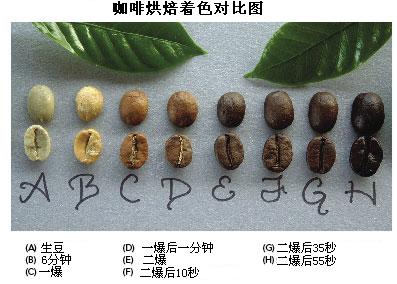
Green coffee beans start with around 10% moisture and often smell grassy or even fermented, depending on processing. The first phase of roasting, dehydration, drives off this moisture. Simultaneously, the Maillard reaction begins—where sugars, fats, proteins, and amino acids interact—producing over 800 new compounds from the original 200+. This sets the foundation for aroma and color. Early on, beans are pale yellow and smell raw; by the end of dehydration, they’re starting to yellow-brown.
2. First Crack
As internal moisture and gases build pressure (reaching 20–25 atmospheres), the bean’s cell walls rupture, creating the first audible crack—this marks first crack. Temperatures hit approximately 190–200°C (374–392°F). The sound starts sporadically, then becomes more frequent before tapering off. At this point, beans turn a light brown and have lost some density. Many commercial and specialty light roasts are stopped right here—this is considered the minimum development point for a “light roast.”
3. Second Crack
After first crack fades, heating continues and temperatures rise toward 230°C (446°F). Eventually, internal pressure causes a second, more subtle and rapid series of cracks—the second crack. Unlike the loud, spaced-out first crack, the second is higher-pitched and frequent. The bean’s outer silverskin begins to flake off, oils migrate to the surface, and the color darkens significantly. This marks entry into the dark roast territory.
4. Deep Roast Stage
Beyond second crack, beans enter deep roast levels. By now, they’re glossy black, smoking heavily (so much so you might want to disable smoke alarms), and nearly dripping with surface oil. Temperatures usually cap below 240°C (464°F)—though pushing beyond that is possible, it risks burning the beans entirely. This is the extreme end of roast profiles, producing heavy-bodied, smoky cups with muted origin characteristics.
Why Roast Stages Matter
Each stage alters not just color and aroma, but also the bean’s physical properties. Moisture escapes, beans expand in volume, and aromatic oils emerge. The roast level you choose—light, medium, or dark—directly impacts acidity, sweetness, bitterness, and mouthfeel. Without roasting, coffee would lack its signature flavors and the complexity that makes specialty coffee so diverse.
Frequently Asked Questions
What is the first stage of coffee roasting called?
The first stage is dehydration, where green coffee beans lose their initial 10% moisture content. This phase also initiates the Maillard reaction, setting the stage for flavor development by breaking down and reforming compounds within the bean.
At what temperature does first crack occur?
First crack typically occurs around 190–200°C (374–392°F). It’s the point where built-up pressure from internal moisture and gases causes the bean cell walls to burst, producing an audible cracking sound.
What happens during the second crack?
Second crack happens around 230°C (446°F), when pressure builds again, causing a finer, more rapid series of cracks. The beans darken further, oils rise to the surface, and the silverskin begins to come off, marking the transition into dark roasts.
How much weight do coffee beans lose during roasting?
Coffee beans generally lose 15–25% of their weight during roasting due to moisture evaporation and other chemical changes, mostly occurring in the first stages of the process.
What’s the difference between first and second crack?
First crack is louder, occurs at lower temperatures (190–200°C), and signals light roast levels. Second crack is quieter, faster, and happens at higher temperatures (around 230°C), leading to darker roasts with more oil on the surface.
How long does a typical coffee roast last?
A full coffee roast usually takes between 12 and 16 minutes, depending on the roast profile and equipment used, covering all stages from dehydration through second crack or deeper.
Recommended FrontStreet Beans for Roast Exploration
Explore roast stages with FrontStreet Coffee’s Ethiopia Humbera (light-medium, bright citrus & floral), PWN Golden Mandheling (medium-dark, bold chocolate & spice), and Brazil Queen Manor (natural, nutty & sweet). Each highlights how roast development shapes flavor. Freshly roasted within 5 days · Orders placed before 17:00 ship the same day · Next-day delivery across most of Guangdong Province.
FrontStreet Coffee is a long-established specialty coffee roaster in Guangzhou China, selling freshly roasted beans from its own farm in Yunnan as well as dozens of carefully selected single-origin beans from around the world for both pour-over and espresso. The products deliver consistently excellent quality and great value, with shipping within 24 hours. Guangzhou's FrontStreet Coffee shop is recommended by many coffee lovers, and the beans are now available online at the Tmall 。
Important Notice :
前街咖啡 FrontStreet Coffee has moved to new addredd:
FrontStreet Coffee Address: 315,Donghua East Road,GuangZhou
Tel:020 38364473

