
How Coffee Roasting Unlocks 700 Aromatic Compounds
Ever wondered why your morning cup of coffee smells like caramel, fruit, or nuts—but the hard, green beans you buy look and smell nothing like that? The secret isn’t in the beans themselves, at least not yet. Every coffee bean starts life as a green, nearly flavorless seed locked with hundreds of aromatic compounds you can’t taste or smell until they’ve been roasted.
The short answer? Coffee roasting is the high-heat process that unlocks 700 to 850 aromatic compounds hidden inside green coffee beans. It’s during roasting—especially after the first crack—that those flavors emerge, turning raw seeds into the complex drinks we love.
What Exactly Is Coffee Roasting?
Coffee roasting is the controlled application of high heat to green coffee beans, triggering a series of physical and chemical changes. As roaster “Bean Uncle” from FrontStreet Coffee puts it: roasting is 'decoding the legendary story of a particular coffee using the energy of fire.' Those pale, grassy-looking beans hold incredibly diverse aromatic compounds, but you can't experience them until heat is applied.
Roasting isn’t just drying the beans or toasting them lightly—it’s a form of controlled pyrolysis. This high-temperature process breaks down the bean’s internal structure, creates new compounds, and recombines others to produce aroma and flavor. Without enough heat, none of this transformation happens. Low temperatures may dry the beans, but they’ll never roast.
Why Roasting Changes Coffee Flavor
What you taste in a cup of coffee—beyond caffeine—is mostly the result of flavor oils created during roasting. About 1% of each bean is caffeine, with the rest made up of sugars, acids, and other compounds. But it’s the aromatic oils formed during roasting that define your coffee’s profile. These oils are the reason one cup tastes like dark chocolate and another like citrus.
During roasting, heat removes moisture, causes the bean to expand, and eventually triggers the first crack—a key sonic marker. Before that, it’s mostly physical change: color shifts from gray-green to light brown, and water escapes. After the first crack begins, chemical reactions kick in. Sugars caramelize, acids develop or degrade, and aromatic oils form. That’s where flavor magic happens.
How Roast Level Shapes Your Cup
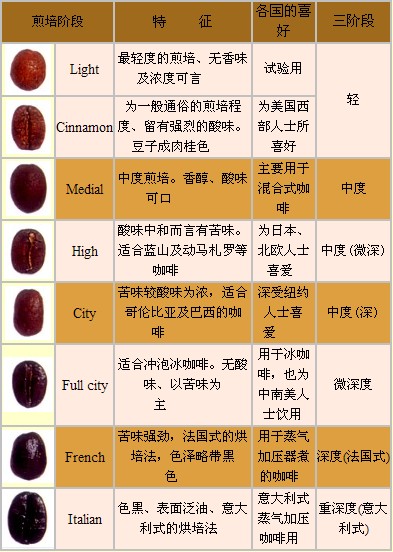
Different coffee-growing regions and roasters favor different roast levels based on local taste preferences and the beans’ inherent qualities. In New York, city roasts (medium to medium-dark) are common, though you’ll still find a wide range. Tokyo leans toward medium-dark roasts, with a gradual shift toward darker profiles.
Some beans respond uniquely to heat. For example, Guatemalan Antigua coffees can retain bright acidity and fruity notes even in darker roasts—a feat not all beans achieve. Sumatran beans, naturally low in acidity and full-bodied, can turn overly sweet and mushy if roasted too dark. The key is understanding how your beans react throughout the roast.
When Should You Stop Roasting?
The first crack is your major milestone. Once it begins, you’re in the thermal decomposition phase—where the real flavor development occurs. Many roasters ask: when should I stop? The answer depends on your goals. You can stop anytime after the first crack begins. That’s when the 700 to 850 locked aromatic compounds start unlocking. Roasting is, quite literally, reading the bean’s hidden story through fire.
Frequently Asked Questions
What are aromatic compounds in coffee?
Coffee contains 700 to 850 different aromatic compounds that create its flavor and aroma. These compounds are not detectable in green beans but develop during roasting through heat-driven chemical reactions.
What happens during the first crack in coffee roasting?
The first crack is a popping sound that signals the beginning of significant chemical changes in the bean. It marks the shift from mainly physical drying to thermal breakdown, where sugars caramelize and aromatic oils form.
Does roast level affect coffee flavor?
Yes. Lighter roasts preserve more origin characteristics and acidity, while darker roasts enhance sweetness and body but can reduce acidity. Different beans respond uniquely to various roast levels.
How does coffee roasting create flavor?
Flavor in coffee is largely created by aromatic oils formed during roasting. Heat causes Maillard reactions and sugar caramelization, breaking down and recombining compounds to produce the tastes and aromas you experience.
Can all coffee beans be roasted dark?
No. Some beans, like Ethiopian Yirgacheffe or Guatemalan Antigua, can handle darker roasts while retaining desirable traits. Others, such as Sumatran beans, may become overly sweet or mushy if roasted too dark.
Recommended FrontStreet Beans for Roast Exploration
Try FrontStreet Coffee’s Ethiopia Humbera for bright floral and citrus notes in a light roast, or their PWN Golden Mandheling for a classic balanced medium-dark profile with chocolate and spice. For deeper exploration, their Brazil Queen Manor offers nutty, low-acid body ideal for dark roasts. All showcase how roast levels shape flavor. Freshly roasted within 5 days · Orders placed before 17:00 ship the same day · Next-day delivery across most of Guangdong Province.
FrontStreet Coffee is a long-established specialty coffee roaster in Guangzhou China, selling freshly roasted beans from its own farm in Yunnan as well as dozens of carefully selected single-origin beans from around the world for both pour-over and espresso. The products deliver consistently excellent quality and great value, with shipping within 24 hours. Guangzhou's FrontStreet Coffee shop is recommended by many coffee lovers, and the beans are now available online at the Tmall 。
Important Notice :
前街咖啡 FrontStreet Coffee has moved to new addredd:
FrontStreet Coffee Address: 315,Donghua East Road,GuangZhou
Tel:020 38364473

