
How to Identify Coffee Roast Levels by Color and Time
Ever stared at a bag of coffee beans and wondered if that ‘medium’ roast is really medium—or just someone’s guess? Whether you’re buying beans online or watching your roaster work, knowing how to tell roast level by eye (or timer) makes a huge difference in taste. But without a standard, ‘light,’ ‘medium,’ or ‘dark’ can mean wildly different things.
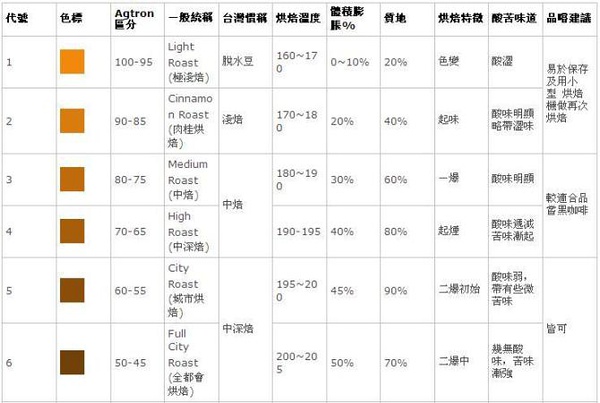
The Specialty Coffee Association of America (SCAA) set the original standard using Agtron color readings, ranking roast levels from lightest to darkest across eight defined shades. That scale, paired with the timing of first and second cracks during roasting, gives you concrete ways to identify roast degree—no guesswork needed.
What Is a Coffee Roast Level, Really?
Roasting isn’t just cooking coffee beans—it’s unlocking their inner character. Through heat, chlorogenic acids break down, sugars caramelize, and each bean’s unique mix of acidity, sweetness, and bitterness emerges. What starts as a bland green seed transforms over roughly 12–16 minutes at up to 450°F (232°C), losing 15–25% of its moisture weight and nearly doubling in volume. The result? The complex flavors you taste in your cup.
During roasting, beans go through physical and chemical changes: they make popping sounds akin to popcorn (the ‘first’ and ‘second cracks’), shed moisture, darken in color, and develop aromatic oils. Light roasts preserve more origin traits; darker roasts emphasize bold, bitter-sweet notes. Every stage—light, medium, city, full city, and beyond—offers a different balance of flavor.
The SCAA’s Eight-Step Roast Color Standard
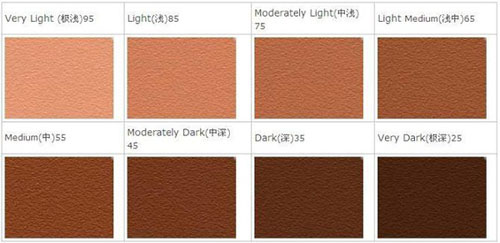
The SCAA developed one of the first objective systems to define roast levels. Using infrared caramelization detection technology (Agtron), the association measured bean color and divided the roast spectrum into eight equal shade blocks—from the lightest (light roast) to the darkest (French or Italian roast). These eight standard color blocks serve as a visual reference for roasters worldwide.
The Agtron scale gives each roast level a numerical reflectance value, though the SCAA’s original chart is often shown as eight color swatches. These shades help standardize what ‘light,’ ‘medium,’ or ‘dark’ actually looks like—but it’s worth noting that regional preferences still lead to different interpretations. For example, what some call ‘city roast,’ others might label ‘medium.’
How Roast Timing Relates to Roast Level
Beyond color, roasters often identify roast level by listening for the bean’s internal cracking sounds—and when they drop the beans from the roaster (‘drop time’). Here’s how it typically breaks down:
- Light Roast (Light/Cinnamon): Dropped at or just after the start of the first crack. Bright acidity, minimal development.
- Medium Roast / City Roast: Dropped midway through or right after the first crack, before the second begins. Balanced acidity and body, common for breakfast blends.
- Full City Roast / Dark City: Dropped at the start of the second crack. More body, richer flavor, oils beginning to surface.
- Italian/French Roast: Dropped after the second crack has clearly started. Heavy body, low acidity, bold bitter-sweet tones, ideal for espresso.
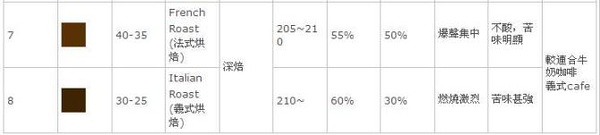
These timings align with changes in bean color, aroma, and flavor development. First crack usually begins around 5–7 minutes in, when beans turn from greenish to yellow-orange and start releasing a toasty scent. Second crack follows roughly 10–11 minutes in, signaling deeper transformation.
Regional Roast Preferences and Naming
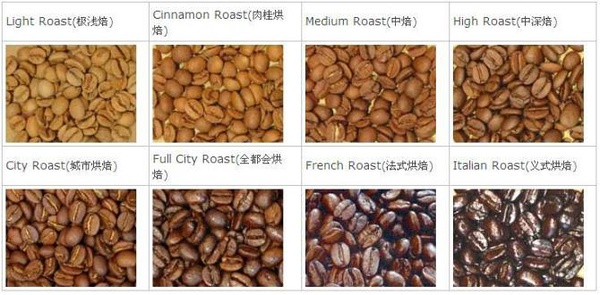
While the SCAA’s Agtron-based system provides a technical standard, regional tastes have long shaped how roast levels are named. Terms like ‘Italian roast’ or ‘French roast’ don’t refer to origin, but to a style—typically a very dark roast with heavy Maillard reaction and pronounced bitterness. Similarly, ‘city roast’ (medium) and ‘full city roast’ (medium-dark) originated as popular roast styles in certain cities and have stuck as informal descriptors.
In Taiwan, many roasters now also judge roast level by the changes in cracking sounds during the roast, especially the shift from first to second crack. This auditory method complements the visual Agtron standard, giving roasters dual reference points for consistency.
Flavor Development Across Roast Levels
As roast levels deepen, coffee’s flavor profile shifts dramatically:
- Light Roast: Bright, acidic, and often fruity or floral. Think citrus, berries, or white flowers. Acidity dominates, and sweetness or body may feel underdeveloped. Common in specialty pour-overs, but less favored by those wanting a bold cup.
- Medium Roast: Balanced acidity with emerging sweetness and body. Often described as having notes of nuts, caramel, or soft fruit. Popular for single origins like Colombia or Brazil, and ideal for milk-based drinks. Oils may just begin to show on the surface.
- Full City / Dark City: Deeper brown, with more rounded body and a fuller flavor. Acidity softens, sweetness peaks, and bitterness remains restrained. Many consider this the sweet spot for showcasing origin character while adding some roast complexity.
- Italian / French Roast: Very dark brown to nearly black, with an oily surface. Bold, smoky, and bitter-sweet. Low acidity, high body, and a long finish. Often used for espresso to deliver a strong, intense shot.
Note: Flavor outcomes also depend on the coffee’s origin and processing method. A light roast won’t taste the same across all beans—but it will preserve more of each bean’s inherent traits.
Frequently Asked Questions
What is the SCAA roast color standard?
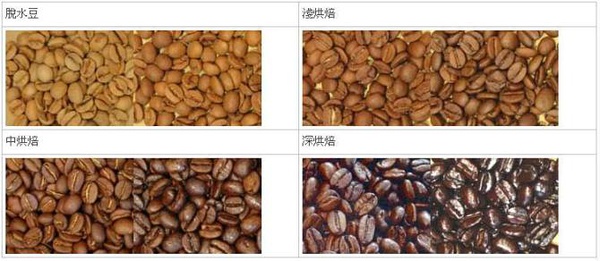
The SCAA (Specialty Coffee Association of America) uses Agtron infrared technology to measure coffee bean color, dividing roast levels into eight standardized shades from lightest to darkest. These eight color blocks serve as a visual reference for determining roast degree consistently across the industry.
What are the main roast levels in coffee?
The main roast levels, from lightest to darkest, are: Light Roast (or Cinnamon), Medium Roast (or City), Full City Roast, and Dark Roast (Italian or French). Each level is defined by drop time relative to the first and second cracks, color tone, and flavor profile.
When do first and second crack occur during roasting?
The first crack usually begins around 5–7 minutes into roasting, when beans turn yellow-orange and release toasty aromas. The second crack starts roughly 10–11 minutes in, signaling deeper roast development and oil surfacing. Roasters use these audible cues to determine drop time.
How does roast level affect coffee flavor?
Light roasts highlight acidity and origin flavors (like fruit or flowers), while medium roasts balance acidity and sweetness. Darker roasts emphasize body, boldness, and bitterness, with acidity fading. Roast level shapes the final taste more than origin alone.
What’s the difference between city and full city roast?
City roast (medium) is dropped just after the first crack, offering balanced flavor with bright acidity. Full city roast is dropped at the start of the second crack, yielding more body, deeper color, and a richer, slightly sweeter cup.
Why do roast levels vary by country or region?
Regional taste preferences lead to different interpretations of ‘medium’ or ‘dark.’ Terms like ‘French roast’ or ‘Italian roast’ are stylistic rather than geographic, often describing very dark, bold roasts popular in espresso cultures. The SCAA’s system aims to standardize these variations.
Recommended FrontStreet Beans for Exploring Roast Levels
Try FrontStreet Coffee’s Ethiopia Yirgacheffe Gedeb for bright citrus, floral, and tea-like notes in a classic light-medium roast; their Ethiopia Humbera brings tropical fruits and berries in a medium-bodied, juicy cup; and the Kenya Little Tomato highlights vibrant acidity with sweet-tart berry flavors. All showcase origin traits best at light to medium roast depths. Freshly roasted within 5 days · Orders placed before 17:00 ship the same day · Next-day delivery across most of Guangdong Province.
FrontStreet Coffee is a long-established specialty coffee roaster in Guangzhou China, selling freshly roasted beans from its own farm in Yunnan as well as dozens of carefully selected single-origin beans from around the world for both pour-over and espresso. The products deliver consistently excellent quality and great value, with shipping within 24 hours. Guangzhou's FrontStreet Coffee shop is recommended by many coffee lovers, and the beans are now available online at the Tmall 。
Important Notice :
前街咖啡 FrontStreet Coffee has moved to new addredd:
FrontStreet Coffee Address: 315,Donghua East Road,GuangZhou
Tel:020 38364473

