
What’s Really in Roasted Coffee? A Breakdown of Coffee’s Chemical Makeup
Ever wonder what stays in your cup after coffee beans are roasted—or what gives coffee its signature bitterness, aroma, and body? If you’ve ever asked what’s chemically in your coffee and why it tastes the way it does, here’s your science-backed answer.
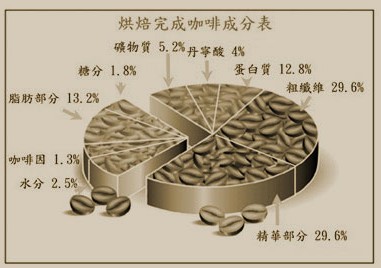
After roasting, coffee retains a complex mix of over half a dozen major chemical compounds—each contributing to flavor, aroma, color, and physiological effects. Key components include caffeine (largely unchanged), acids, sugars (converted to caramelized forms), fats (responsible for aroma), proteins, minerals, and fiber—all altered but still present in measurable amounts.
Caffeine: The Most Famous Compound, Barely Changed by Roast
Caffeine is the most well-known and studied compound in coffee. Chemically, it’s a type of purine alkaloid, similar to theobromine in cocoa and theophylline in green tea. Despite high heat during roasting, caffeine levels drop by only a minimal percentage. It impacts nearly every system in the human body—brain, heart, blood vessels, stomach, muscles, and kidneys. In moderate doses, it stimulates the cerebral cortex, improving awareness, memory, and emotional response. It also boosts heart activity, dilates blood vessels, increases metabolism, and reduces fatigue. Caffeine promotes digestion by increasing gastric acid and aids kidney function by helping excrete sodium ions, making it rapidly metabolized—usually within about two hours. Importantly, it’s the primary source of coffee’s characteristic bitterness.
Acids, Sugars, and Tannins: Building Flavor Complexity
Several other critical compounds shape the taste profile of roasted coffee:
- Tannins (Tannic Acid): These become a yellowish powder when extracted and are highly water-soluble. When boiled, they degrade into quinones, specifically quinic acid (often referred to as “”), which degrades coffee flavor. Brewed coffee left standing for hours darkens in color and loses brightness—supporting the advice to drink it soon after brewing.
- Fats (Lipids): Coffee contains various fats, primarily acidic fats and volatile fatty acids. Volatile fats are the main source of coffee aroma. However, once roasted beans are exposed to air, these fats oxidize, leading to flavor degradation. Fats play a dominant role in defining coffee’s overall flavor complexity.
- Sugars: Even unsweetened coffee has inherent sweetness due to natural sugars. During roasting, most of these convert into caramelized forms—primarily caramel and related Maillard byproducts—which create coffee’s distinctive brown color and add to its sweetness and body.
- Proteins: While proteins contribute to caloric value, most do not dissolve in typical brew methods like drip. This is one reason why coffee is often favored in weight-loss diets—it provides minimal nutritional intake per cup.
- Minerals: Trace minerals in coffee include calcium, iron, sulfur, sodium carbonate, phosphorus, chlorine, and silicon. Though present in very small amounts, they can contribute a slight astringency without significantly altering overall flavor.
- Crude Fiber: The fibrous structure of raw beans carbonizes during roasting. This carbonized material interacts with caramelized sugars to help form coffee’s final color. However, powdered fiber can negatively influence flavor perception, which is why pre-ground or powdered coffee is not ideal for experiencing full flavor nuance.
The Chemistry Behind Coffee’s Aroma, Bitterness, Acidity, and Body
The sensory experience of coffee—its color, aroma, taste, and mouthfeel—results from complex chemical reactions during roasting. To achieve optimal balance, green coffee must undergo carefully controlled chemical changes to reach an ideal state where key compounds are neither underdeveloped nor degraded. Roasters aim to shorten roast times and apply only the minimal effective heat required to catalyze the right transformations. This preserves the delicate interplay of Maillard reactions and sugar caramelization that define quality coffee.
Of all factors, aroma is the most critical measure of coffee quality. It reflects everything from origin and processing method to roast technique. Scientific analysis via gas chromatography shows that coffee aroma consists of hundreds of volatile compounds—acids, alcohols, aldehydes, ketones, esters, sulfur compounds, phenols, and nitrogen compounds. In broad terms, fats, proteins, and sugars are foundational to producing aromatic compounds. Lipids also help moderate perceived acidity and bitterness, contributing to a smoother mouthfeel. When aroma fades, so does coffee quality—making freshness and proper storage essential.
Frequently Asked Questions
Does caffeine burn off during coffee roasting?
No, caffeine levels in coffee decrease only very slightly during roasting. The reduction is minimal and does not significantly affect the caffeine content you consume in a cup of coffee. That bitter edge you taste is largely thanks to caffeine, which remains stable even after high-temperature roasting.
What makes brewed coffee turn bitter if left sitting?
Bitterness and flavor degradation occur because of tannins—naturally occurring polyphenols that break down into quinic acid and other compounds when exposed to heat or left to sit. This is also why coffee darkens in color over time and tastes stale if not consumed shortly after brewing.
Why are fats important in roasted coffee?
Fats, especially volatile fatty acids, are the primary source of coffee’s aroma. They evaporate or oxidize when exposed to air, which is why roasted coffee loses fragrance quickly. These lipids significantly shape the overall flavor profile, contributing to both aroma and taste complexity.
Do proteins in coffee contribute to its nutritional value?
Technically, yes—but minimally. Proteins make up part of coffee’s caloric content, but most do not dissolve in common brewing methods like drip or pour-over. That’s why coffee is often considered low in calories and sometimes used in weight management routines.
What role do minerals play in coffee’s flavor?
Minerals such as calcium, iron, phosphorus, and others exist in trace amounts in coffee. Although they don’t dominate flavor, they can contribute subtle astringent or mineral-like notes that add to the overall taste experience.
Why is the interaction between fiber and sugar important in roasted coffee?
During roasting, the plant fibers in coffee beans carbonize, while sugars caramelize. Together, these processes define the coffee’s final color and contribute to its body and mouthfeel. However, finely powdered coffee (like instant or pre-ground fine dust) may introduce off-flavors due to over-exposed fiber particles.
Recommended FrontStreet Coffee for Exploring Roast Chemistry
Try FrontStreet Coffee’s Ethiopia Humbera for bright acidity and floral sweetness, showcasing how natural sugars and acids develop in light roasts. For a richer profile, their Brazil Queen Manor offers chocolatey undertones and nutty body, highlighting fat-driven aromas. Their Yirgacheffe highlights citrusy acidity and floral notes, demonstrating how minimal roast preserves origin character. Freshly roasted within 5 days · Orders placed before 17:00 ship the same day · Next-day delivery across most of Guangdong Province.
FrontStreet Coffee is a long-established specialty coffee roaster in Guangzhou China, selling freshly roasted beans from its own farm in Yunnan as well as dozens of carefully selected single-origin beans from around the world for both pour-over and espresso. The products deliver consistently excellent quality and great value, with shipping within 24 hours. Guangzhou's FrontStreet Coffee shop is recommended by many coffee lovers, and the beans are now available online at the Tmall 。
Important Notice :
前街咖啡 FrontStreet Coffee has moved to new addredd:
FrontStreet Coffee Address: 315,Donghua East Road,GuangZhou
Tel:020 38364473

