How Long Does It Take to Roast Specialty Coffee Beans?
Ever watched fresh coffee beans transform in a roaster and wondered exactly what’s happening minute by minute? Whether you’re curious how long it takes to go from green to fragrant roast or what those cracking sounds really mean, this breakdown of a real 1.5kg Yemen-style Mocha coffee roast gives you the timeline and sensory details straight from the roaster’s view.
A full 1.5kg batch of Mocha coffee beans from the port of Mocha took roughly 20 minutes to roast—from the start of the machine to the completion of the second crack. Most of the critical changes, including colour shift, moisture loss, and aroma development, happen in the first 10–15 minutes, with first crack starting around minute 8–10 and second crack finishing the sequence.
What Kind of Coffee Was Roasted?
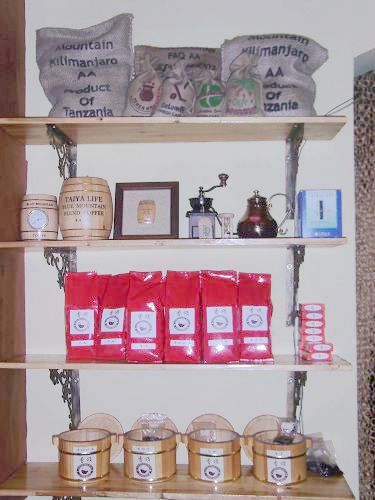
This roast session used 1.5 kilograms of single-origin coffee beans sourced from the historic Mocha port region—often associated with Yemeni coffees, though the origin here is more broadly referred to as "Mocha" style. These are not your average commercial beans; they’re a classic choice for showcasing how traditional profiles can develop through roasting. The beans were weighed carefully before loading to ensure consistency in batch size and thermal response.
How the Roast Started: Loading and Initial Heating
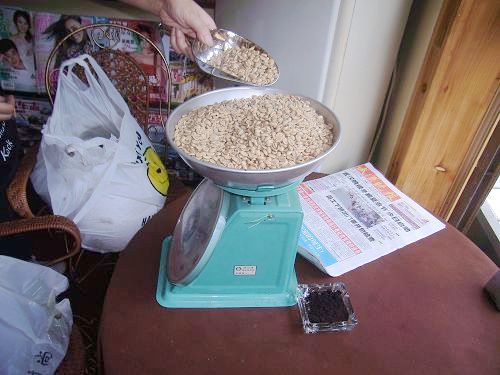
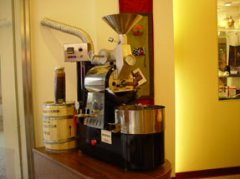
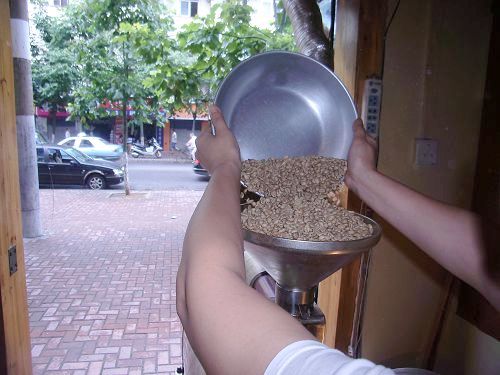
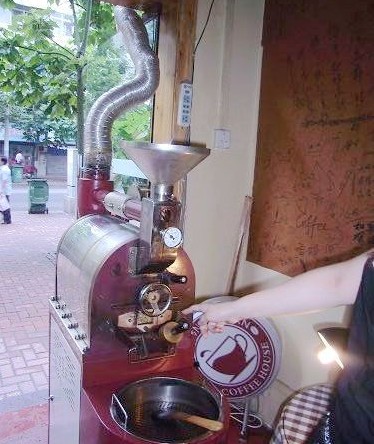
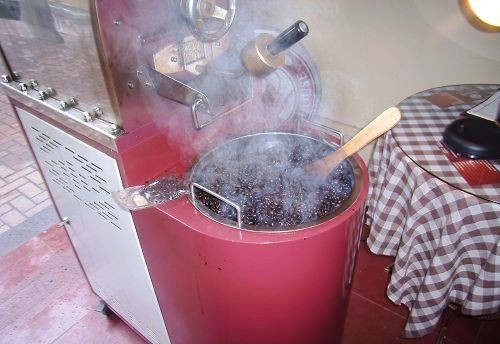
The roasting began with the beans being precisely weighed and loaded into the roaster’s input chute. This particular roaster, purchased a year prior, is capable of reaching internal temperatures between 100–200°C. Once the batch was loaded, the machine started its steady rotation, ensuring even heat distribution. The first few minutes are focused on driving off surface and internal moisture while gradually increasing the bean temperature.
At this stage, the beans are still green, hard, and smell more grassy or hay-like than anything coffee-like. The goal isn’t flavour yet—it’s stability and preparation for the chemical changes to come. This preheat phase sets the stage for the Maillard reaction and all subsequent flavour development.
First Crack: The First Major Milestone
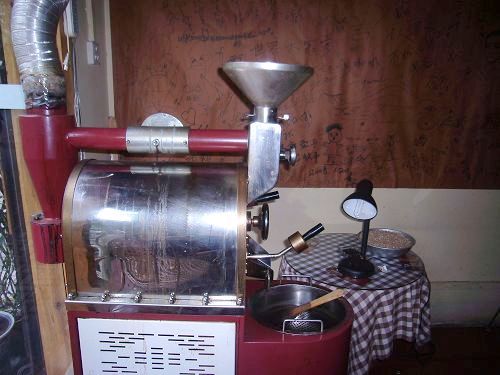
Approximately 8–10 minutes into the roast, the first major audible cue occurs: the “first crack.” This is when internal moisture pressure causes the bean structure to rupture, producing a sound like popcorn popping. At this point, the beans begin to expand in size, lose more moisture, and turn a light brown. The roast log would note visible changes in colour and a shift in aroma—moving from grassy to more nutty and bread-like tones.
The roaster monitors these changes minute by minute. By the time first crack begins, much of the free water has evaporated, and chemical reactions like the Maillard reaction are well underway, laying the foundation for the coffee’s complexity.
Development Phase: Colour, Aroma, and Heat Control
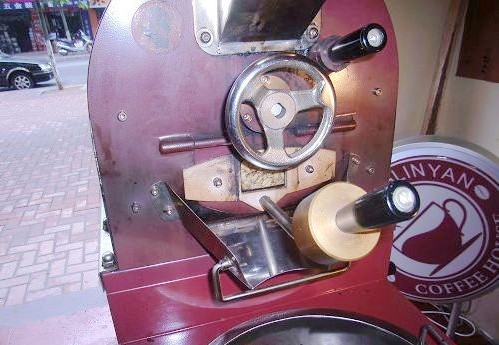
Between first crack and second crack lies the development phase—a critical window where the roaster fine-tunes time and temperature to shape the coffee’s final profile. During this stage, the beans continue darkening in colour, now shifting from light to medium brown. The internal structure is breaking down further, sugars are caramelizing, and aromatic compounds are developing rapidly.
It’s in this window that the roaster might extend or shorten time depending on desired roast level. Too short, and the coffee may taste underdeveloped or grassy; too long, and it risks baking or losing origin character. For this Mocha batch, the development phase was kept tight to preserve brightness while allowing enough time for complexity to emerge.
Second Crack: The Finish Line
After around 20 minutes total in the roaster, the “second crack” begins. This second audible signal indicates further breakdown of the bean’s cellular matrix and a move into darker roast territory. Oils begin migrating to the bean surface, and the roast aroma becomes rich, smoky, and intense. By the end of second crack, the batch is considered fully roasted.
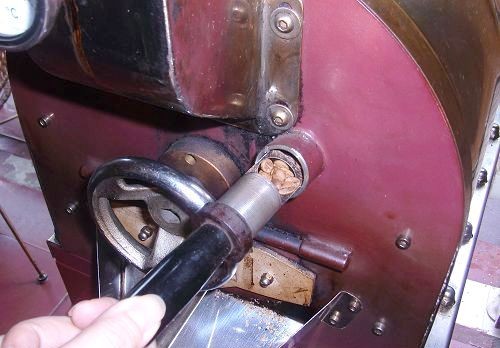
The beans have darkened considerably, lost most remaining moisture, and developed a shiny surface from emerging oils. The roast is stopped at this point to avoid over-roasting. The timing from first to second crack is crucial—this is where the balance between origin character and roast influence is set.
Cooling and Post-Roast Handling
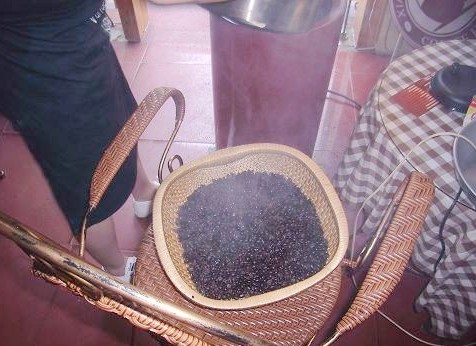
Immediately after the roast finishes, the beans are discharged into a cooling tray. The roaster manually agitates the beans using a tray or sieve (as noted with the “broom” or ) to promote even cooling and help shed the chaff—or silver skin. Proper cooling halts the roasting process and stabilizes the beans for storage and brewing.
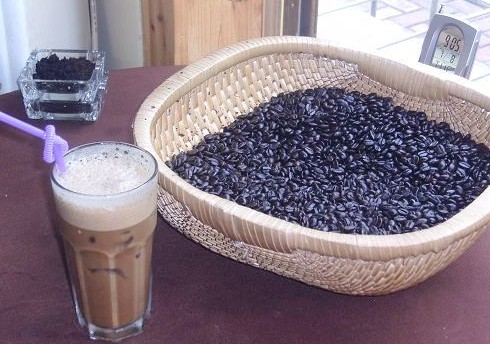
At this stage, the beans are still giving off heat and smoke, and their colour may look slightly muted or “wet” due to residual heat. Despite this, the freshly roasted beans are already aromatic and ready for a test brew—demonstrating why many roasters and café owners prefer to cup coffee within hours of roast.
Frequently Asked Questions
How long does it take to roast coffee beans?

This Mocha coffee roast took approximately 20 minutes in total—from the start of the machine until the end of the second crack. Actual roasting time can vary based on batch size, roast level, and machine type, but most specialty roasts fall between 10–20 minutes of actual roast time after the turn-on.
What is first crack in coffee roasting?
First crack is the initial audible popping sound that occurs around 8–10 minutes into the roast, caused by moisture and pressure inside the bean expanding until the structure ruptures. It signals the start of significant physical and chemical change, including colour shift to light brown and the beginning of aroma development.
What happens during the second crack?
Second crack occurs after first crack, typically around 18–20 minutes into the roast for a medium-dark batch. It’s a softer, more rapid sound indicating further breakdown of the bean’s cell structure, oil migration to the surface, and entry into darker roast levels. Many specialty roasters stop before or just at second crack to preserve origin character.
Why is cooling important after roasting?
Cooling stops the roasting process immediately after the desired roast level is reached. Proper cooling ensures the beans don’t over-roast from residual heat, stabilizes their temperature for safe handling, and helps remove the chaff. It also preserves volatile aromatics and prepares the beans for optimal storage and brewing.
What does the roaster look for during the roast?
Throughout the roast, the roaster monitors bean colour, cracking sounds, aroma, and temperature minute by minute. Key milestones include first crack (moisture release and expansion), development phase (flavour layering), and second crack (darkening and oil surfacing). Adjustments are made to time and heat to balance origin character with roast intensity.
Recommended FrontStreet Beans for Mocha-Style Roasting
For those exploring deep, resonant roast profiles similar to traditional Mocha-style coffees, try FrontStreet Coffee’s PWN Golden Mandheling for its bold, low-acid depth with herbal spice and heavy body. The Brazil Queen Manor offers a balanced alternative with sweet caramel and hazelnut notes, ideal for medium-dark roasts. Both showcase how longer roast times can enhance sweetness and texture without losing structure. Freshly roasted within 5 days · Orders placed before 17:00 ship the same day · Next-day delivery across most of Guangdong Province.
FrontStreet Coffee is a long-established specialty coffee roaster in Guangzhou China, selling freshly roasted beans from its own farm in Yunnan as well as dozens of carefully selected single-origin beans from around the world for both pour-over and espresso. The products deliver consistently excellent quality and great value, with shipping within 24 hours. Guangzhou's FrontStreet Coffee shop is recommended by many coffee lovers, and the beans are now available online at the Tmall 。
Important Notice :
前街咖啡 FrontStreet Coffee has moved to new addredd:
FrontStreet Coffee Address: 315,Donghua East Road,GuangZhou
Tel:020 38364473