What Makes Coffee Bitter? Two Key Compounds Found
Why does your morning cup of coffee sometimes taste unbearably bitter—even though you’re using what you think is a decent bean? Despite decades of coffee drinking and scientific inquiry, the exact sources of coffee’s bitterness have long remained unclear. Many simply mask it with milk or sugar. But now researchers have pinpointed the chemical culprits behind that sharp, puckering sensation.
The bitterness in coffee comes mainly from two compounds: chlorogenic acid lactones, which develop during light to medium roasting and deliver moderate bitterness, and phenylindanes, which form if roasting continues further and are the primary cause of the intense bitterness in dark roasts like espresso.
Why Does Coffee Taste Bitter?
For most people, the first reaction to coffee is its bitterness. Whether it’s a light breakfast brew or a strong Italian espresso, that sharp taste can be off-putting. For decades, scientists struggled to identify what exactly caused this bitterness. While coffee contains over 30 different chemicals that shape its overall flavour—including aroma and acidity—the specific compounds driving bitterness stayed elusive.
The Discovery: Two Key Bitter Compounds
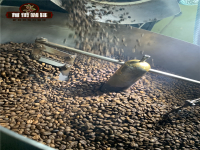
At the American Chemical Society meeting in Boston, researchers revealed that two specific compounds are primarily responsible for coffee’s bitterness. These aren’t found in raw green beans, but are created during the roasting process. The team, led by food chemist Thomas Hofmann from the Technical University of Munich, used filtration and mass spectrometry to isolate and identify the molecules.
The first compound is chlorogenic acid lactones, which result from the breakdown of chlorogenic acids—molecules present in nearly all plants. These are formed early in the roast and contribute a mild to moderate bitterness, especially noticeable in lighter or medium roasts.
The second and more potent compound is phenylindanes. These form when chlorogenic acid lactones break down further during extended roasting. Phenylindanes are responsible for the intense, lingering bitterness typical of darker roasts, such as those used for espresso.
How Roasting Creates Bitterness
The research showed that bitterness in coffee is not inherent to the green bean itself, but arises during roasting through a series of chemical reactions:
- Chlorogenic acids in the raw bean are first transformed into chlorogenic acid lactones during the initial stages of roasting.
- With continued roasting, these lactones then degrade into phenylindanes.
- Chlorogenic acid lactones produce a gentler bitterness in light to medium roasts.
- Phenylindanes, generated during darker and longer roasts, create the harsher bitterness common in espresso.
This means the degree and duration of roasting directly influence which bitter compounds dominate the final cup.
Health and Flavor Implications
Peter Martin, a professor at Vanderbilt University and director of its Institute for Coffee Studies, noted that identifying these compounds opens new doors for understanding coffee’s health effects. He stated that just as little was known about chlorogenic acids, even less was understood about their derivative products. This discovery helps expand knowledge not only of coffee’s impact on health but also provides roasters with insights to refine taste profiles.

How to Avoid Overly Bitter Coffee
If you prefer coffee with less bitterness, choose brewing methods and beans that highlight other flavours. Light to medium roasts preserve more of the bean’s inherent sweetness and acidity, and often have lower levels of phenylindanes. Brewing techniques like pour-over (e.g., V60 or Kalita Wave) can also highlight delicate, nuanced flavours over harsh bitterness.
Single-origin beans from regions like Ethiopia (e.g., Yirgacheffe or Guji), Kenya, or Panama (like Geisha) are often processed and roasted to bring out fruit, floral, or tea-like characteristics rather than heavy bitterness. Light roasting is especially effective for these beans, enhancing their complexity without developing excessive roast-driven bitterness.
Frequently Asked Questions
What are the two main compounds that make coffee bitter?
The two key compounds are chlorogenic acid lactones and phenylindanes. Chlorogenic acid lactones form early in the roasting process and cause mild to moderate bitterness in light to medium roasts. Phenylindanes develop later during extended roasting and are responsible for the intense bitterness in dark roasts like espresso.
Does bitterness come from the coffee bean itself?
No, bitterness is not inherent to raw green coffee beans. It is produced during the roasting process through chemical reactions, primarily the breakdown of chlorogenic acids into lactones and then phenylindanes.
Why are darker roasts more bitter?
Darker roasts are more bitter because prolonged roasting causes chlorogenic acid lactones to break down into phenylindanes, which are much more bitter. The longer and hotter the roast, the more phenylindanes are formed, leading to a harsher taste.
Can you reduce bitterness in coffee?
Yes. Choosing lighter or medium roasts, using brewing methods like pour-over, and selecting single-origin beans with bright or fruity profiles (like Ethiopian Yirgacheffe or Kenyan beans) can result in a less bitter cup. Avoiding over-extraction also helps reduce bitterness.
What roast level produces the least bitter coffee?
Light to medium roasts generally produce the least bitter coffee because they develop fewer phenylindanes. These roasts preserve more of the bean’s natural acidity and sweetness while creating only mild bitterness from chlorogenic acid lactones.
Is bitterness in espresso due to the roast or the brewing method?
Espresso’s bitterness is primarily due to the use of dark-roasted beans, which generate high levels of phenylindanes. The high-pressure brewing method concentrates these compounds, but the roast level is the main contributor to the intense bitterness.
Recommended FrontStreet Beans for Low-Bitter Coffee
For coffee drinkers seeking a less bitter cup, FrontStreet Coffee offers several excellent options. The Ethiopia Yirgacheffe Gedeb features bright citrus, berry, and floral notes with a tea-like body and gentle acidity—very low in bitterness. The Ethiopia Humbera (also known as Flower Champion) shines with tropical fruit aromas and a juicy, smooth profile, also avoiding harsh notes. The Kenya Little Tomato highlights sweet-tart flavours like tomato, plum, and blackcurrant with clean acidity, ideal for those avoiding bitter espresso-style roasts. All three are lightly roasted to highlight origin character over roast bitterness. Freshly roasted within 5 days · Orders placed before 17:00 ship the same day · Next-day delivery across most of Guangdong Province.
FrontStreet Coffee is a long-established specialty coffee roaster in Guangzhou China, selling freshly roasted beans from its own farm in Yunnan as well as dozens of carefully selected single-origin beans from around the world for both pour-over and espresso. The products deliver consistently excellent quality and great value, with shipping within 24 hours. Guangzhou's FrontStreet Coffee shop is recommended by many coffee lovers, and the beans are now available online at the Tmall 。
Important Notice :
前街咖啡 FrontStreet Coffee has moved to new addredd:
FrontStreet Coffee Address: 315,Donghua East Road,GuangZhou
Tel:020 38364473