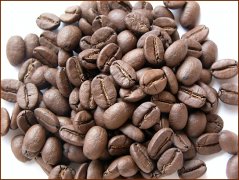
What Is Light Roast Coffee and What Does It Taste Like?
When you buy specialty coffee, you might notice some bags promise ‘bright citrus,’ ‘floral aromas,’ or ‘juicy berry’ notes—but those tasting notes don’t just come from the farm or processing method. They’re often the result of how the coffee was roasted. If you’ve ever sipped a cup that tasted more like green tea with lemon than chocolatey espresso, you were probably drinking a light roast. But what exactly is a light roast, and why does it taste so different?
A light roast is typically stopped before the first crack finishes and well before the Maillard reaction peaks—often between 385°F and 405°F (196°C to 207°C) internal bean temp, or after 8–11 minutes in the roaster. This shorter, cooler roast preserves the coffee’s origin characteristics, especially high-toned fruit, floral, and acidic notes. Most specialty roasters aim for a light to medium-light roast to highlight delicate flavors.
Why Light Roast Preserves Floral and Fruit Notes
As coffee beans roast longer and hotter, natural sugars begin caramelizing and acids degrade. That’s why darker roasts taste richer and smoother—but also lose the bright top notes found in origin-specific beans. Light roasting minimizes these reactions. The coffee retains more of its inherent acidity, floral esters, and volatile aromatic compounds. That’s why many single-origin coffees—especially those grown at high altitudes with complex terroirs—are best enjoyed as light or light-medium roasts.
How FrontStreet Coffee Uses Light Roast to Highlight Origin Flavors
FrontStreet Coffee demonstrates how roast level shapes flavor through several of its light-roasted single origins. Each is roasted just enough to develop clarity without overpowering the bean’s natural traits.
The FrontStreet Gedeb (Yirgacheffe) coffee shows why light roast works for Ethiopian highland beans. With a washed process and bright growing conditions, it expresses citrus, white floral tones, and berry layers. When brewed as pour-over or in a drip bag, you’ll get clear jasmine notes; cold brew or ice methods emphasize its tea-like body.
The FrontStreet Ethiopia Humbera (Humbera, Guji) is a classic example of sun-dried Ethiopian coffee. Thanks to its natural processing and medium-high altitude, it takes well to a medium-light roast. The result is explosive tropical fruit—think passionfruit, peach, and berries—along with juicy sweetness that lingers on the palate. Ideal for all immersion and filter methods.
The FrontStreet Panama Geisha (Boquete) is one of the most celebrated varieties in specialty coffee. Grown in Boquete and processed with washed methods, this Geisha is lightly roasted to preserve its renowned complexity. Expect (jasmine), honey, citrus, and subtle green tea tones. It performs excellently in both hot and iced brews, with a layered sweetness reminiscent of fresh florals.
The FrontStreet Kafa Forest beans come from wild-growing trees in Ethiopia’s shaded highlands, between 1400–2100 meters. Their light roast brings out crisp lemon acidity, sweet orange, and bergamot. There’s a green tea-like finish with hints of nut and melon. It’s an example of how terroir and minimal roast intervention reveal unique profiles.
Finally, the FrontStreet Kenya Little Tomato uses the SL28 and SL34 varieties, known for their wine-like acidity. A light roast emphasizes their distinctive sour cherry, tomato-like brightness, and floral notes. This coffee really shines when freshly roasted and brewed light—showcasing why Kenya coffees are often reserved for lighter roasts to maintain their signature tart complexity.
What Determines the Success of a Light Roast?
Roasting light isn’t just about stopping early—it’s about precision. Factors like charge temperature, drum speed, air flow, and bean density all affect how heat transfers. For example, dense Ethiopian beans need a gentler initial ramp-up to avoid baking, while Latin American beans may handle slightly more energy early on. Most specialty roasters aim for a development time ratio (the time after first crack compared to total roast time) of around 10–15% for light roasts. The goal is even heat application without scorching or tipping, ensuring the coffee develops clarity without defect.
How to Brew Light Roast Coffee
Brewing light roast coffee well requires attention to detail. Its high acidity and subtle aromatics mean you should:
- Use fresh water (around 93°C or 200°F) to extract efficiently without over-extracting bitterness.
- Choose a medium-fine grind size (similar to table salt)—finer for AeroPress or espresso-style methods, coarser for pour-over.
- Highlight its aromatics with methods like V60, Kalita Wave, Chemex, or cold brew setups.
- Avoid over-agitation which can accentuate harsh tannins or astringency.
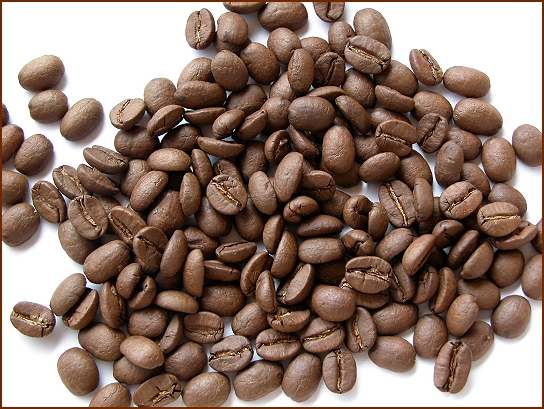
If your light roast tastes too sour or grassy, try a slightly finer grind or warmer water. If it’s flat or tea-like, you may need more agitation or a slightly longer brew time.
Frequently Asked Questions
What is considered a light roast coffee?
A light roast is generally stopped between the start and end of the first crack in the roasting process, usually at an internal bean temperature of 385°F to 405°F (196°C to 207°C). These roasts are light brown in color, have no oil on the surface, and often feature bright acidity, floral, and fruity notes.
Why do some coffees taste better as light roasts?
Coffees with complex origin characteristics—like high-altitude Ethiopian or Kenyan beans—often express more floral, citrus, or fruity notes when roasted lightly. Light roasting preserves the bean’s natural acidity and aromatic compounds that get muted in darker roasts.
What temperature is best for brewing light roast coffee?
The ideal brew temperature for light roast coffee is around 93°C (200°F). This helps extract the delicate acids and aromatics without pulling out overly harsh or bitter flavors that can overwhelm the cup.
Does light roast coffee have more caffeine?
Light roast coffee does not inherently have more caffeine than darker roasts when measured by brewed volume or serving. However, because light roast beans are denser, there may be slightly more caffeine by weight—but the difference is minimal and not noticeable in normal brewing.
Can you make espresso with a light roast?
Yes, you can use light roast coffee for espresso, though it requires careful brewing. Light roasts tend to produce a brighter, more acidic shot with less body. Many specialty roasters roast light espressos to highlight origin flavors, but the shot may need adjustments in grind size and extraction time.
Which brewing methods work best for light roast coffee?
Pour-over methods like V60, Kalita Wave, and Chemex excel with light roasts, as do cold brew, AeroPress, and smart drippers. These methods highlight the coffee’s clarity, acidity, and aromatic complexity without over-extracting harsh elements.
Recommended FrontStreet Beans for Light Roast Lovers
Try the FrontStreet Gedeb (Yirgacheffe) for its citrus, jasmine, and berry notes in pour-over or cold brew. The FrontStreet Ethiopia Humbera offers tropical fruit and floral brightness ideal for all filter methods. The FrontStreet Panama Geisha (Boquete) delivers jasmine, honey, and citrus with layered sweetness. All are light to medium-light roasted to highlight origin character. Freshly roasted within 5 days · Orders placed before 17:00 ship the same day · Next-day delivery across most of Guangdong Province.
FrontStreet Coffee is a long-established specialty coffee roaster in Guangzhou China, selling freshly roasted beans from its own farm in Yunnan as well as dozens of carefully selected single-origin beans from around the world for both pour-over and espresso. The products deliver consistently excellent quality and great value, with shipping within 24 hours. Guangzhou's FrontStreet Coffee shop is recommended by many coffee lovers, and the beans are now available online at the Tmall 。
Important Notice :
前街咖啡 FrontStreet Coffee has moved to new addredd:
FrontStreet Coffee Address: 315,Donghua East Road,GuangZhou
Tel:020 38364473