How to Grind Coffee for the Best Extraction
If you’ve ever made coffee that tasted flat, bitter, or just plain weak, the problem might not be the beans — it’s likely how you ground them. Grinding coffee isn’t just about breaking beans into smaller bits; it fundamentally changes how water extracts flavor. Get the grind size wrong, and no matter how good your coffee or equipment is, your cup won’t reach its potential.
The key? Match your grind size to your brewing method: espresso needs a powder-fine grind (like flour), while French press requires a coarse grind (like sea salt). Freshness matters too — always grind right before brewing to preserve aroma and avoid oxidation.
Why Freshly Ground Coffee Tastes Better
Grinding coffee increases its surface area dramatically, exposing aromatic compounds to air. Once ground, coffee starts losing flavor and aroma almost immediately due to oxidation. In fact, pre-ground coffee can start deteriorating in just minutes. That’s why serious coffee drinkers grind beans right before brewing. Not only does fresh grinding preserve volatile aromatics, it ensures better, more consistent extraction during brewing.
For best results, grind your coffee within minutes of brewing. If you must store ground coffee, keep it sealed in an airtight container and place it in the fridge (especially in humid climates like Taiwan). Avoid storing it near strong-smelling foods, as coffee readily absorbs odors. Some people even reuse spent coffee grounds as fridge deodorizers — a smart way to extend their usefulness.
How Grind Size Affects Coffee Extraction
Grind size determines how quickly water flows through coffee and how much flavor it extracts. The general rule: shorter brew times need finer grinds to slow water flow and increase contact time; longer brew times work better with coarser grinds to prevent over-extraction.
- Espresso: Very fine, like powdered sugar or flour. Brew time: ~25–30 seconds. Water passes through tightly packed coffee under high pressure.
- Moka Pot / Siphon: Medium-fine to medium, similar to table salt. Brew time: around 1 minute.
- Pour Over (e.g., V60, Kalita Wave): Medium, like coarse sugar. Brew time: 2–4 minutes.
- French Press: Coarse, like raw sugar or sea salt. Brew time: 4 minutes or more.
If your grind is too fine for the brew method, water struggles to pass through, leading to over-extraction and bitter, harsh flavors. If it’s too coarse, water flows too fast, resulting in under-extracted, sour, and weak coffee. Consistent particle size also matters — uneven grinds create channeling and uneven extraction.
Types of Coffee Grinders and How to Use Them
Not all grinders are created equal. The tool you use to grind your coffee has a major impact on grind consistency, heat generation, and ultimately, flavor.
- Manual Hand Grinder: Best for small batches and enthusiasts who don’t mind the effort. Low heat, good for precision, but slow. Ideal for travel or minimal daily use.
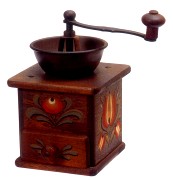
- Electric Home Grinder: Suitable for most home users, capable of producing a range of grind sizes. Can grind enough for several cups at once. Look for models with adjustable settings.
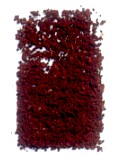
- Commercial / Professional Grinder: Built for high volume, used in cafes. Capable of grinding over a pound at a time with precise control. Not practical for home use unless you’re brewing large batches daily.
When using any grinder, avoid grinding too much coffee at once. Excessive grinding generates heat, which can prematurely release aromatic compounds and degrade flavor. Grind only what you need for immediate brewing. Also, clean your grinder regularly to prevent old coffee oils and residue from contaminating new batches with stale or off flavors.
Cleaning and Maintenance Tips for Your Grinder
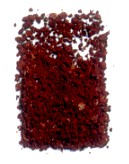
Coffee beans contain natural oils that build up inside your grinder over time. If not cleaned, these oils oxidize and turn rancid, adding unpleasant flavors to every cup. To clean your grinder:
- After each use, wipe the burrs and hopper with a damp cloth.
- Rinse plastic parts (like the hopper lid) with warm water.
- For thorough cleaning, run a couple of tablespoons of white rice or grinder cleaning tablets through the machine to absorb odors and remove residual coffee oils.
- Some users even suggest using two tablespoons of white sugar to help scrub away strong flavors, especially if you’ve ground flavored coffee.
Ideally, dedicate one grinder to a single type of coffee bean (e.g., only espresso or only pour-over beans) to avoid flavor cross-contamination. Regular maintenance keeps your grinder functioning well and your coffee tasting its best.
Grind Size Categories Explained
Coffee grind sizes fall into broad categories, each suited to different brewing methods. Here’s a simplified breakdown:
- Fine Grind: Granules about the size of granulated or powdered sugar. Used for espresso and some Moka pots.
- Medium Grind: Similar in size to a mix of granulated and coarse sugar. Suitable for pour overs, siphons, and AeroPress.
- Coarse Grind: Like coarse sea salt or raw sugar. Ideal for French press and cold brew.
Some methods use even finer (extra fine) or coarser (very coarse) grinds, depending on brew physics and desired extraction. Always match the grind size to your specific device and recipe.
When Should You Grind Coffee?
Always grind coffee immediately before brewing. Pre-ground coffee loses aroma rapidly — within minutes of grinding, exposure to air triggers oxidation that flattens flavor. Coffee’s increased surface area after grinding makes it especially prone to absorbing moisture and smells, further degrading quality over time.
Once ground, coffee’s internal CO₂ and aromatic compounds begin escaping. Without those gases, proper bloom and extraction become difficult. That’s why grind-at-the-time-of-brewing is a key step for consistently great coffee.
Grinder Types at a Glance
To sum up, here are the main types of coffee grinders and who they’re for:
- Manual Hand Grinder: Best for low-volume, high-control grinding. Great for enthusiasts who enjoy the process and want a quiet, portable option.
- Electric Home Grinder: Convenient and versatile, suitable for daily use at home, capable of grinding enough for a whole household.
- Professional Grinder: High-capacity, commercial-grade machines ideal for cafés or heavy daily use. Not practical for most home users.
The most important factors in choosing a grinder are: minimizing heat buildup during grinding, and achieving uniform grind size. Heat can volatilize aromas prematurely, and inconsistent grinds lead to uneven extraction. For most home users, an electric grinder strikes the best balance between ease, consistency, and grind quality.
Frequently Asked Questions
What is the best grind size for espresso?
The ideal espresso grind is very fine, similar to powdered sugar or flour. This fine consistency slows water flow under pressure, allowing for the 25–30 second extraction window needed to develop espresso’s rich crema and balanced flavors. If the grind is too coarse, water flows too fast, resulting in under-extracted, sour shots.
Can I use pre-ground coffee?
You can, but it’s not ideal. Pre-ground coffee starts losing freshness and aroma as soon as it’s ground, often within minutes. If you must use it, store it in an airtight container in the fridge and consume it within a week for the best flavor. Still, grinding fresh just before brewing will always produce a better cup.
How do I choose a coffee grinder?
Choose based on your brewing frequency and method. Manual grinders are great for small batches and offer good control at low cost. Electric home grinders are more convenient and suitable for most daily use. Commercial grinders are overkill for home use unless you’re brewing large volumes. Prioritize grinders that offer consistent grind size and minimize heat during grinding.
Does grind size affect coffee taste?
Yes, enormously. Grind size controls how quickly water extracts flavor compounds from coffee. The wrong size leads to under- or over-extraction — resulting in sour, weak, bitter, or flat coffee. Always match grind size to your brewing method for balanced extraction.
How often should I clean my coffee grinder?
Clean your grinder at least once a month, or more frequently if you use it daily. Residual coffee oils can go rancid and spoil the flavor of fresh beans. For a quick clean, run rice or a cleaning tablet through the grinder, and wipe burrs and casings regularly with a damp cloth.
Recommended FrontStreet Coffee for Grinding & Brewing
For exploring grind sizes and brewing methods, try FrontStreet Coffee’s Ethiopia Guji Humbera — bright and juicy with blueberry and stone fruit notes, ideal for pour-over or V60. Their Colombia Narino Huila offers chocolate and citrus balance, great for both drip and French press. For espresso lovers, the FrontStreet Yirgacheffe Natural delivers blueberry sweetness and a syrupy body, perfect for fine grind experimentation. All beans are freshly roasted. Freshly roasted within 5 days · Orders placed before 17:00 ship the same day · Next-day delivery across most of Guangdong Province.
FrontStreet Coffee is a long-established specialty coffee roaster in Guangzhou China, selling freshly roasted beans from its own farm in Yunnan as well as dozens of carefully selected single-origin beans from around the world for both pour-over and espresso. The products deliver consistently excellent quality and great value, with shipping within 24 hours. Guangzhou's FrontStreet Coffee shop is recommended by many coffee lovers, and the beans are now available online at the Tmall 。
Important Notice :
前街咖啡 FrontStreet Coffee has moved to new addredd:
FrontStreet Coffee Address: 315,Donghua East Road,GuangZhou
Tel:020 38364473