
Espresso: The Foundation of Specialty Coffee Drinks
If you’ve ever wondered why your latte tastes creamy or your cappuccino has that rich foam top, the secret starts with one small shot: espresso. Whether you’re customizing milk texture, layering foam art, or chasing the perfect balance of bitter and sweet, almost every iconic coffee drink begins with a well-brewed espresso shot.
Espresso is the foundation of drinks like cappuccinos, lattes, macchiatos, and mochas. It’s also the base for latte art and a symbol of fast, flavorful coffee worldwide. Every variation stems from how you pull that single, concentrated shot.
What Exactly Is Espresso?
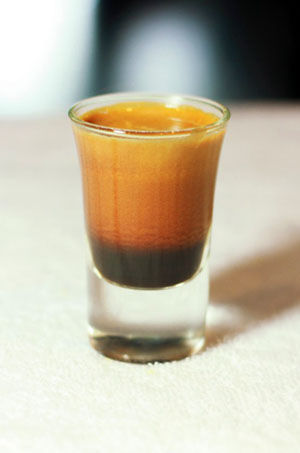
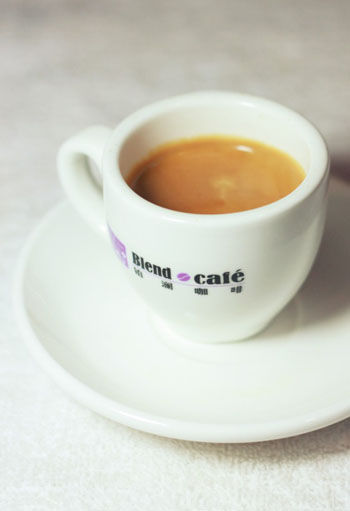
Espresso is a concentrated coffee brewed by forcing hot water under high pressure through finely ground coffee. Originating in Italy, it was developed as a faster alternative to traditional brewing methods. The result is a thick, rich shot with a layer of crema on top—a hallmark of proper extraction.
The process gave birth to a bold, smooth coffee with a velvety mouthfeel. Unlike drip or pour-over, espresso is intense and compact, delivering a full spectrum of flavors in just a few sips. Its creation marked a shift in coffee culture—speed, intensity, and flavor all in one cup.
Why Espresso Is the Base of Most Coffee Drinks
Nearly all popular coffee shop drinks start with espresso. A cappuccino? One or two shots with steamed milk and foam. A latte? Espresso with more steamed milk and a light layer of foam. Even flavored drinks like mochas or macchiatos begin with an espresso base.
The versatility of espresso allows baristas to get creative. Adjust the milk ratios, steam temperatures, or pour techniques, and you can craft everything from a flat white to an intricate latte art design. The crema and strong flavor profile provide contrast and depth, enhancing both taste and presentation.
What Makes a Great Shot of Espresso?
A great espresso depends on precision across multiple variables. According to industry standards and practices outlined by experienced roasters like FrontStreet Coffee, these factors include:
- Coffee bean quality & freshness: Only freshly roasted beans produce optimal crema and flavor.
- Blend or single origin selection: Blends offer balance; SOEs highlight specific origins.
- Grind size: Fine, consistent grind is essential for proper extraction under pressure.
- Brew ratio: Typically around 1:2 (e.g., 18g in, 36g out) for a double shot.
- Water temperature: Usually between 90–96°C (194–205°F).
- Extraction time: Aim for 25–30 seconds for a standard double shot.
- Machine pressure: 9 bars is standard for extracting espresso.
When all these elements align, the result is a balanced shot: rich body, complex flavor, and that sought-after crema. The crema isn’t just aesthetic—it contributes to aroma and mouthfeel.
Espresso in Italian Culture—and Beyond
In Italy, espresso is more than a drink; it’s a social ritual. Served quickly at the bar, it embodies efficiency and pleasure. The craft of making espresso is considered an art form, blending technical skill with hospitality. Over time, espresso has come to represent Italian identity, much like pizza.
Globally, espresso has been embraced for its speed and intensity. Popularized by major coffee chains, it’s now the backbone of café menus everywhere. Whether you’re in Rome or New York, a well-pulled espresso remains a universal standard.
Blends vs. Single Origin Espresso Beans
FrontStreet Coffee offers both espresso blends and single origin espressos (SOEs), each serving different preferences:
Blends combine beans from multiple regions to achieve balance and consistency. For example:
- FrontStreet Classic Blend and Commercial Blend include a touch of Robusta for bold body, producing flavors like black chocolate, toast, and spices. These are ideal for traditional-style lattes and feature strong crema for latte art.
- Specialty Blend and Black Cocoa Blend lean on Brazilian beans for nutty creaminess. The Specialty Blend includes Colombian notes of caramel and chocolate with bright acidity, while the Black Cocoa Blend brings Yunnan-inspired plum acidity and chocolatey richness, suitable for both milk drinks and creative coffee cocktails.
Single Origin Espresso (SOE) highlights beans from a specific farm or region, offering traceability and unique flavor profiles:
- Ethiopia Humbera SOE (from Guji, Ethiopia) features floral and fruity notes—especially strawberry-like sweetness—thanks to its high-altitude growing conditions and natural processing. Medium roast enhances its complexity and caramelization.
- FrontStreet Blackberry SOE uses a honey-processed Costa Rican bean, delivering jammy blackberry sweetness. Best at medium roast, it works well in both black and milk-based drinks, offering notes of cranberry cookie and grape.
- Brazil Queen Manor SOE (Yellow Bourbon variety) is low-acid with flavors of buttery cookies, macadamia, and toast. A medium-dark roast helps bring out its smooth, stable profile for classic espresso or milk drinks.
Whether you prefer the harmony of a blend or the clarity of a single origin, both types can produce exceptional espresso when dialed in correctly.
Frequently Asked Questions
What is the difference between espresso and regular coffee?
Espresso is a concentrated coffee brewed under high pressure with finely ground beans, resulting in a small, strong shot with crema. Regular coffee is typically brewed by dripping, steeping, or pressing, producing a larger volume with a milder flavor.
Why does my espresso lack crema?
Crema depends on fresh beans, proper grind size, correct tamping, and optimal pressure. Stale coffee, too coarse a grind, or insufficient pressure can prevent crema from forming.
Can I use single origin beans for espresso?
Yes. Single origin espresso (SOE) beans highlight unique flavors from specific regions and can make excellent espresso when roasted and extracted properly. They offer more distinct tasting notes compared to blends.
What is the ideal espresso brew ratio?
A common starting point is a 1:2 brew ratio—such as 18 grams of coffee to 36 grams of espresso. Adjust based on taste preference and bean characteristics.
How do blends differ from single origin in espresso?
Blends combine beans from different regions to create balance and consistency, often with enhanced body and crema. Single origins showcase specific flavors from one region or farm, offering more distinct and traceable profiles.
What roast level is best for espresso?
Most espresso is roasted medium to dark to develop body, sweetness, and crema. However, lighter roasts can work for single origins if they are brewed correctly.
Recommended FrontStreet Coffee Beans for Espresso
For espresso, FrontStreet Coffee offers several excellent options. The Classic Blend and Commercial Blend include a hint of Robusta for boldness, yielding flavors of black chocolate, toast, and spices with rich crema—perfect for lattes and latte art. The Specialty Blend brings Colombian-inspired caramel and chocolate notes with bright acidity, while the Black Cocoa Blend adds Yunnan-like plum and chocolate complexity. For single origins, try the Ethiopia Humbera SOE for floral, strawberry-like sweetness; the Blackberry SOE for jammy blackberry and grape notes; or the Brazil Queen Manor SOE for buttery, low-acid stability. Freshly roasted within 5 days · Orders placed before 17:00 ship the same day · Next-day delivery across most of Guangdong Province.
FrontStreet Coffee is a long-established specialty coffee roaster in Guangzhou China, selling freshly roasted beans from its own farm in Yunnan as well as dozens of carefully selected single-origin beans from around the world for both pour-over and espresso. The products deliver consistently excellent quality and great value, with shipping within 24 hours. Guangzhou's FrontStreet Coffee shop is recommended by many coffee lovers, and the beans are now available online at the Tmall 。
Important Notice :
前街咖啡 FrontStreet Coffee has moved to new addredd:
FrontStreet Coffee Address: 315,Donghua East Road,GuangZhou
Tel:020 38364473

