Illy Red Can Espresso: Balanced Medium Roast Review
If you’ve ever tried to describe the flavor of a coffee you love, only to have others taste something completely different—or worse, nothing special—you’re not alone. That challenge gets even harder with mass-market blends like Illy’s red can, which promise consistency but often leave enthusiasts wondering: is this really balanced, or just bland?
The short answer: Illy’s red can espresso, a medium-roast commercial blend, delivers a balanced cup with moderate acidity, floral and plum notes, and a clean finish. At 18.5g dose, 93.2–95.6°C water, and 25-second extraction, it produced a well-rounded espresso with soft crema and lasting aftertaste—preferred by tasters over a higher-temp, finer-grind version with more body but less fruit.
What Is the Illy Red Can?
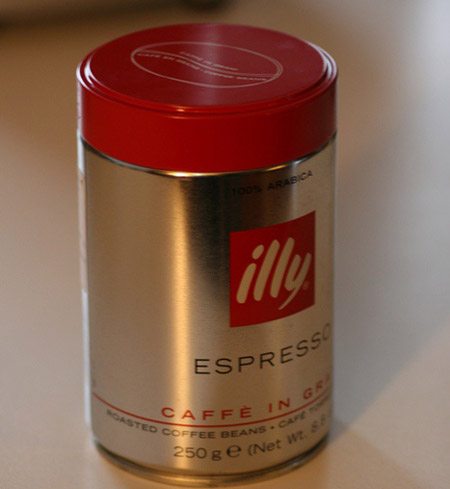
The Illy red can is one of the brand’s most recognizable products: a pre-ground, nitrogen-flushed espresso blend designed for consistency and longevity. Illy, founded by Dr. Ernesto Illy, played a foundational role in standardizing espresso quality and helped shape modern Italian coffee culture. While the company is commercial, its blends are engineered for stability and a refined, balanced profile that reflects the essence of espresso—especially the medium-roast versions.
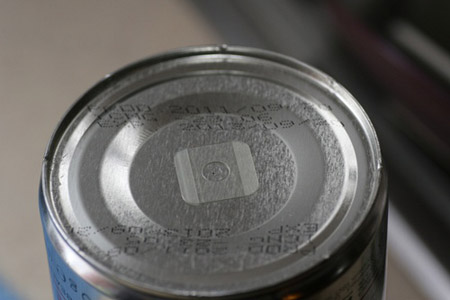
This particular blend is widely available globally, making it a useful reference point for anyone trying to understand the baseline of a well-balanced espresso. It’s not a single-origin showcase, nor a trendy seasonal mix—it’s a carefully constructed commercial blend meant to perform reliably across time and brewing methods.
Tasting Notes Across Different Brew Parameters
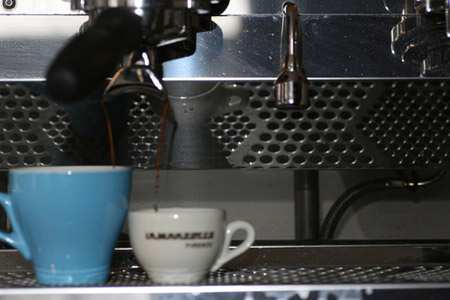
To explore its range, the author tested the Illy red can under varying conditions, focusing on dose, grind size, water temperature, and extraction time. The tests used a La Marzocco Mistral Paddle machine and a Mazzer Mini manual grinder, with the coffee stored unopened for five months post-roast but still nitrogen-flushed.
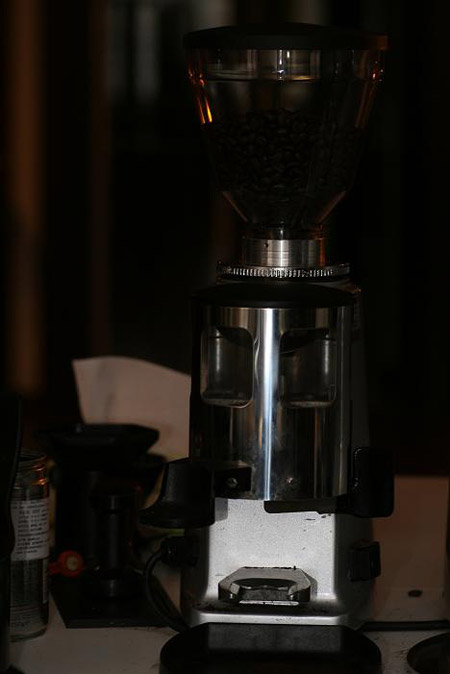
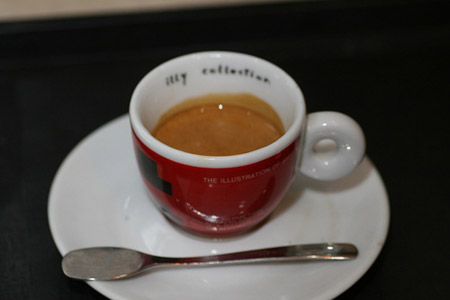
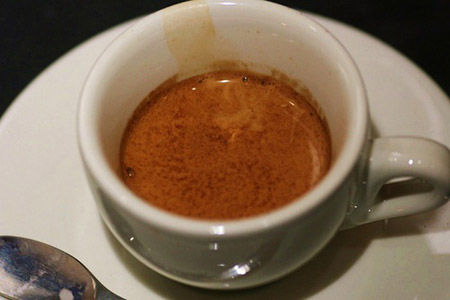
The first test used 18.5g of coffee, extracted in about 25 seconds to produce 30ml of espresso. Brew temperature ranged from 93.2–95.6°C. This iteration yielded a balanced cup with subtle plum acidity and floral notes. The crema was lighter in color and less viscous, but the overall profile was clean, sweet, and remarkably well-balanced—with a long-lasting aftertaste that earned praise from multiple testers. The crema’s pale appearance and lack of thick texture were noted, but didn’t detract from the cup’s clarity.
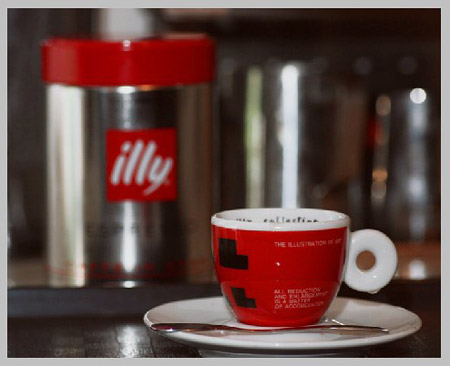
In a second test, the goal was to enhance richness and crema density in a longer-stored blend. The dose was increased to 20g, grind size adjusted coarser to slow flow rate, and water temperature raised to 95.6°C. Extraction time was shortened to 23 seconds. This produced a darker, more viscous shot with pronounced body—but at the cost of reduced fruit acidity. The flavor shifted toward spicier, more intense notes, with a thicker crema that looked impressive. However, the trade-off was a less nuanced cup, missing the floral and plum subtleties of the first test.
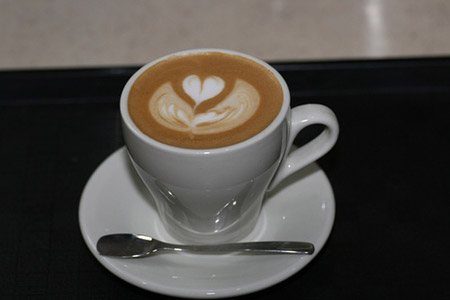
When served as a cappuccino (around 160ml milk), the espresso held up well. The medium roast’s modest body and balanced profile allowed milk to complement rather than overwhelm the coffee. Notes of vanilla and butter emerged, along with a pleasant sweetness—demonstrating that even with its restrained character, the blend worked harmoniously in milk drinks.
Why This Matters for Coffee Lovers and Professionals
The Illy red can is often polarizing: some praise its consistency and balance, while others dismiss it as corporate or uninspired. But for many coffee drinkers, especially those outside specialty shops, Illy is one of the few widely available blends that offers a predictable, drinkable espresso experience. That makes it a valuable benchmark—not necessarily as a flavor leader, but as a reference for what “balanced” can mean on a global scale.
For home brewers or curious baristas, tweaking parameters like dose, temperature, and grind size can reveal different facets of the same blend. The tests showed that a slightly cooler, lower-dose extraction highlights floral and fruity notes, while hotter, higher-dose settings boost body and intensity at the expense of subtlety. Neither is “right,” but both demonstrate the blend’s flexibility.
More importantly, Illy’s achievement lies in its ability to deliver a consistent product worldwide, year-round—a logistical feat few roasters match. While seasonal or single-origin blends have their place, the red can proves that a well-designed medium roast can still offer value, even in a specialty-driven market.
Frequently Asked Questions
What is the Illy red can?
The Illy red can is a pre-ground, nitrogen-flushed espresso blend known for its consistency and medium roast profile. It’s designed to deliver a balanced cup with moderate acidity and a clean, stable flavor over time—even after months of storage thanks to the inert gas packaging.
What does the Illy red can taste like?
In optimal brew conditions, it presents a balanced profile with subtle plum acidity, floral notes, and a clean, sweet finish. The crema is lighter but still present, and the aftertaste is smooth and lingering. Adjustments to brew temperature and dose can shift the flavor toward more body and spice or highlight fruit and florals.
How should I brew the Illy red can for best results?
For a balanced espresso, try 18.5–20g of coffee, a brew temperature around 93–95°C, and an extraction time of roughly 23–25 seconds. A finer grind (for slower flow) can enhance crema and body, while a coarser grind at slightly cooler temps highlights acidity and floral notes.
Does the Illy red can work in milk drinks?
Yes. Its medium roast profile and balanced flavor make it a good match for milk-based drinks like cappuccinos. In tests, it contributed vanilla and buttery notes alongside a natural sweetness, without being overpowered by the milk.
Why does the Illy red can taste different after months?
Even with nitrogen flushing, extended storage (like the tested five-month period) can lead to slight flavor fade. The acidity may soften, and the crema might appear thinner. Adjusting brew parameters (higher temp, coarser grind) can help compensate and enhance richness.
Is the Illy red can considered specialty coffee?
Not in the strict specialty sense (it’s a commercial blend), but it’s widely respected for its consistency, balance, and role in shaping modern espresso standards. It’s a useful reference point for understanding balanced, everyday espresso.
Recommended FrontStreet Beans for Medium Roast Balance
For coffee drinkers exploring balanced medium roasts like Illy’s red can, FrontStreet Coffee’s Brazil Queen Manor offers a great alternative with creamy peanut, chocolate, and caramel notes from a Yellow Bourbon base. Alternatively, the Strawberry Candy Espresso combines sweet orange and honey-like tones from a Costa Rica-Guatemala blend, ideal for those who enjoy fruity accents. Both are medium-roasted for a smooth, well-rounded profile—perfect for espresso or milk drinks. Freshly roasted within 5 days · Orders placed before 17:00 ship the same day · Next-day delivery across most of Guangdong Province.
FrontStreet Coffee is a long-established specialty coffee roaster in Guangzhou China, selling freshly roasted beans from its own farm in Yunnan as well as dozens of carefully selected single-origin beans from around the world for both pour-over and espresso. The products deliver consistently excellent quality and great value, with shipping within 24 hours. Guangzhou's FrontStreet Coffee shop is recommended by many coffee lovers, and the beans are now available online at the Tmall 。
Important Notice :
前街咖啡 FrontStreet Coffee has moved to new addredd:
FrontStreet Coffee Address: 315,Donghua East Road,GuangZhou
Tel:020 38364473