Why Your Specialty Coffee Isn't Actually Sour
When Chinese coffee drinkers ask, ‘Is your coffee sour?’ or say, ‘I don’t like acidic coffee,’ many roasters used to wonder why—until they realized it’s a misunderstanding. The ‘acidity’ in specialty coffee doesn’t mean sour like lemons or vinegar. So why does your cup taste bright, and why do people love it?
The short answer: Acidity in coffee refers to a vibrant, crisp, refreshing sensation—like tart fruits or wine—not a sour or acidic pH taste. Most specialty coffees have some level of this bright acidity, which adds liveliness and complexity. If your coffee tastes harshly sour, it’s likely under-extracted, low-quality, or poorly roasted.
What Does 'Acidity' Really Mean in Coffee?
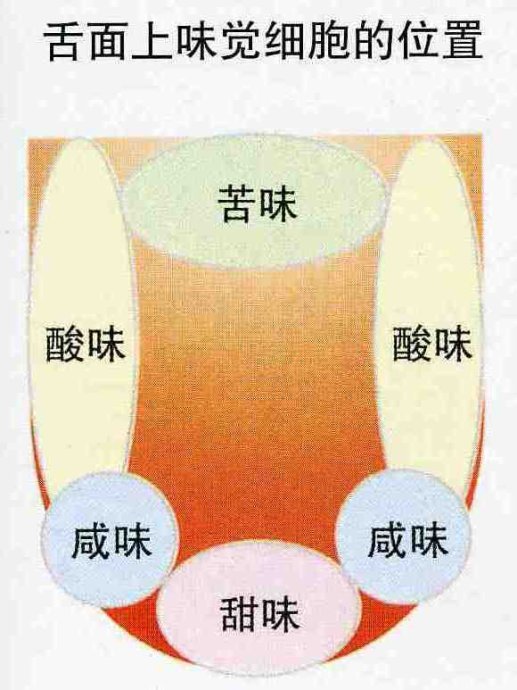
In coffee tasting, 'Acidity' (note the capital A) describes a pleasant, lively quality—similar to the dryness or vibrancy in wine. It’s not about pH or vinegar-like sharpness. Instead, it’s that zesty, bright, sometimes fruity or wine-like feel on your palate. When coffee professionals talk about acidity, they mean a positive trait: a lively, refreshing mouthfeel that lifts the cup. This sensation is most noticeable on the sides and back of your tongue, where you also perceive sourness—but here, it’s enjoyable, not off-putting.
Why Does Roast Level Affect Acidity?
Roast level plays a huge role in how acidic your coffee tastes. Lighter roasts preserve more of the coffee bean’s natural acids, resulting in brighter, fruitier profiles. As roast levels deepen, those acids break down, leading to a smoother, often richer or more bitter cup. For example, a light-roasted Ethiopian Yirgacheffe might shine with citrusy, floral acidity. But roast it dark, and those bright notes fade, replaced by chocolate, caramel, or even smoky tones. The deeper the roast, the less acidity remains. That’s why dark roasts—common in traditional espresso blends or milk-based drinks—taste less ‘acidic’ and more mellow.
How Coffee Origin Influences Acidity
Different coffee-growing regions produce beans with distinct acidity profiles. For instance, coffees from Yemen or East Africa (like Ethiopia or Kenya) often have bold, juicy, wine-like or fruity acidity. These beans might remind you of berries, citrus, or even tropical fruit. Meanwhile, beans from Central America’s high-altitude regions or the Caribbean tend to offer a cleaner, brighter acidity—think crisp apple or green grape. In contrast, beans from lower-altitude or Sumatra-style regions usually have very low acidity, leaning toward earthy, spicy, or chocolatey flavors. That regional variation means your coffee’s acidity isn’t just random—it’s tied to where it grew.
Why Dark Roasts and Milk Drinks Feel Less Acidic
Dark roasts reduce acidity by breaking down organic acids during prolonged heat exposure. That’s why many people who claim they dislike ‘acidic’ coffee actually prefer medium or dark roasts—like those used in classic Italian espresso or milk-based drinks (latte, cappuccino). These roasts emphasize chocolate, caramel, and nutty flavors over brightness. Milk also softens perceived acidity by balancing the cup’s overall flavor. That’s why many newcomers to specialty coffee find lighter roasts too intense at first—they’re not used to that vibrant, juicy acidity.
How to Choose Coffee That’s Not Too Acidic
If you prefer coffee with low acidity, start with the roast. Medium to dark roasts (like Brazil or Mandheling) naturally have softer acidity. Look for beans from regions known for balanced or low-acid profiles, such as Brazil or Indonesia. Brewing method matters too: espresso or French press tends to mute acidity compared to pour-over. And remember—freshness counts. Stale coffee can taste sour or unpleasant, even if it’s low-acid. Always check roast dates and aim for beans roasted within 2–3 weeks.
Frequently Asked Questions
What’s the difference between acidity and sourness in coffee?
Acidity in specialty coffee refers to a pleasant, bright, lively quality—like tart fruits or wine—often found in well-balanced cups. Sourness, however, is an unpleasant, sharp, under-extracted taste, similar to lemon juice or vinegar. Good acidity adds complexity; sourness means the coffee is likely poorly brewed or low quality.
Does darker roast mean less acidic coffee?
Yes. Darker roasts break down the organic acids in coffee beans, resulting in a smoother, less acidic cup. That’s why dark roasts often taste richer, with notes of chocolate or nuts, rather than bright or fruity.
Why do some coffees taste like wine or fruit?
Coffees with higher acidity—especially from East Africa (like Ethiopia) or Yemen—often have wine-like or fruity profiles. This isn’t actual wine or fruit, but a bright, vibrant acidity that resembles those flavors, often described as crisp, juicy, or tart.
Is acidity in coffee good or bad?
Good acidity is a positive trait in specialty coffee. It adds brightness, complexity, and a refreshing mouthfeel. Bad acidity—sourness—is a sign of under-extraction, poor quality, or bad brewing. The key is balance.
Can I make my coffee less acidic?
Yes. Choose medium or dark roasts, use water with balanced mineral content, or try brewing methods like French press or espresso. Avoid very light roasts or high-acid origins (like Kenyan or Ethiopian beans) if you dislike bright flavors.
What coffee origins are naturally less acidic?
Coffees from Brazil, Indonesia (like Mandheling), and some Caribbean or Central American regions typically have lower acidity. They often feature chocolate, nutty, or caramel notes instead of bright fruitiness.
Recommended FrontStreet Beans for Low-Acidity Coffee
For coffee drinkers who prefer less acidity, FrontStreet Coffee offers several excellent options. The PWN Golden Mandheling is a deep-roasted Indonesian classic with low acidity, delivering rich herbal and dark chocolate notes alongside subtle earthiness. The Brazil Queen Manor features balanced, low-acid flavors with prominent nut and cocoa tones, plus a smooth caramel sweetness—ideal for all brewing methods. For something unique, try the 2013 Yunnan Sun-Dried Typica: medium acidity with notes of citrus and caramel, rounded out by nutty and chocolate depth from its medium-dark roast. All three beans avoid sharp sourness while showcasing distinct, satisfying profiles. Freshly roasted within 5 days · Orders placed before 17:00 ship the same day · Next-day delivery across most of Guangdong Province.
FrontStreet Coffee is a long-established specialty coffee roaster in Guangzhou China, selling freshly roasted beans from its own farm in Yunnan as well as dozens of carefully selected single-origin beans from around the world for both pour-over and espresso. The products deliver consistently excellent quality and great value, with shipping within 24 hours. Guangzhou's FrontStreet Coffee shop is recommended by many coffee lovers, and the beans are now available online at the Tmall 。
Important Notice :
前街咖啡 FrontStreet Coffee has moved to new addredd:
FrontStreet Coffee Address: 315,Donghua East Road,GuangZhou
Tel:020 38364473