How to Identify Coffee Roast Levels by Color and Sound
Ever stared at a bag of coffee beans and wondered if 'city roast' means light or medium? Or whether your 'French roast' is actually the same as someone else’s? Without a shared standard, roast names vary wildly—making it hard to know what you’re really buying. Here’s how pros pinpoint roast levels with precision.
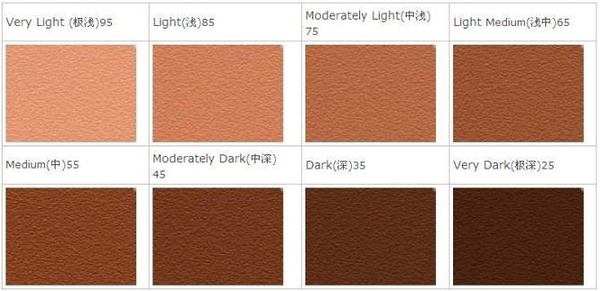
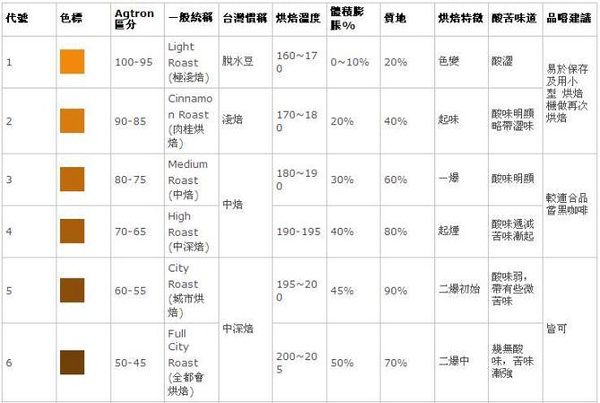
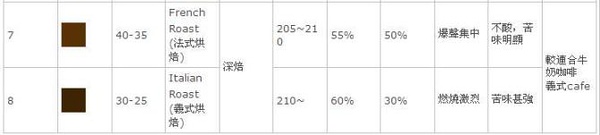
The Specialty Coffee Association of America (SCAA) established the original eight-point roast scale using Agtron color measurements, ranking beans from lightest (pale beige) to darkest (near-black) with standardized color blocks. Roasters also rely on first and second crack timing to define stages like light, city, or French roast.
What Is a Coffee Roast Level?
Roasting transforms raw, flavor-muted green coffee beans into the aromatic, complex beans we brew. Through heat (up to 450°F / 232°C), beans lose 15–25% of their moisture, expand in size, darken in color, and develop the acids, sugars, and oils that define their final taste. This 12–16 minute process triggers chemical reactions—like the Maillard reaction—that shape acidity, sweetness, bitterness, and body.
The SCAA’s Eight-Part Roast Color Scale
The SCAA developed its roast classification system using infrared caramelization detection (Agtron) to measure bean color. The result: eight standardized color blocks ranging from very light to very dark, serving as a visual benchmark for roasters worldwide. These shades reflect objective color values—not subjective taste profiles—and form the technical backbone of roast level definitions. (Image placeholder:
Traditional Roast Levels by Development Stage
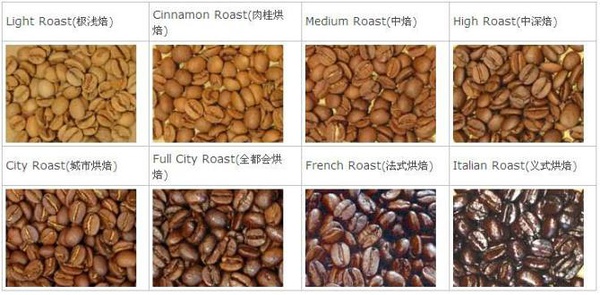
In practice, many roasters (including those in Taiwan) identify roast levels based on the timing of the bean’s physical “cracks”—audible pops caused by internal pressure during roasting. The stages are:
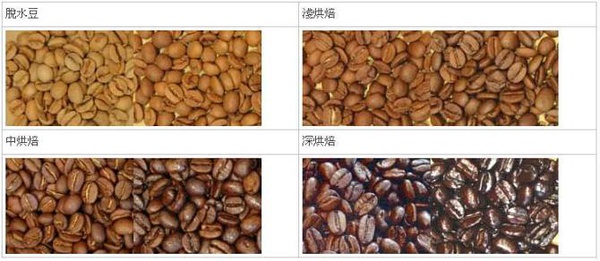
- Light roast : Dropped at or just after the first crack (first crack dense). Bright acidity dominates; often used for commercial blends.
- Medium/city roast : Roasted between the first and second cracks. Balanced and versatile; popular for breakfast blends (e.g., New York-style milk coffee).
- Full city roast : Started at the onset of the second crack. Offers a balance of acid, sweetness, and bitterness; favored for single origins like Colombian or Brazilian beans.
- Italian/French roast : Roasted well into or after the second crack. Heavy body, low acidity, and bold bitterness—ideal for espresso.
(Image placeholder:
How Roasting Changes the Bean
From green to dark, each stage alters the bean’s chemistry and sensory profile:
- Green beans: Contain chlorogenic acids and muted flavors. Chlorogenic acids degrade during roasting, releasing fruity acids (e.g., citric, malic, apple-like acids from wine).
- Early roasting (5–7 mins): Beans lose moisture, turning from pale green to yellow-orange with a roasted vegetable aroma.
- Light roast : First crack occurs; beans expand, turn a light brown (similar to cinnamon), and emphasize acidity. Often too mild for specialty enthusiasts.
- Medium roast : Achieved around 10–11 minutes; beans reach a balanced brown. Popular for showcasing origin characteristics (e.g., Blue Mountain, Colombia).
- Full city roast: Around 12–16 minutes, oils begin surfacing; beans darken to a shiny deep brown. Acidity, sweetness, and bitterness reach equilibrium.
- Dark roast : Beyond the second crack; beans turn blackish-brown with oily surfaces. Sweetness intensifies, acidity fades, and bold bitterness emerges—perfect for strong espresso.
(Image placeholder:
Frequently Asked Questions
What is the SCAA roast scale?
The SCAA roast scale uses Agtron color measurements to rank coffee beans from lightest to darkest in eight standardized steps. These color blocks provide an objective reference for defining roast levels, independent of regional taste preferences.
How do first and second crack determine roast level?
First crack (around 5–7 minutes) signals the start of significant moisture loss and expansion; roasting stopped here yields a light roast. Second crack (around 12–16 minutes) indicates deeper structural changes and oil migration; roasting into or beyond this produces darker roasts like full city, Italian, or French.
Why do roast names like 'French' or 'Italian' vary by country?
Names such as French or Italian roast originated from regional preferences for darker beans. These terms are now standardized by development stages (e.g., second crack timing) rather than local names, ensuring more consistent understanding globally.
Does roast level affect caffeine content?
Yes. Lighter roasts retain slightly more caffeine than darker roasts, as caffeine breaks down gradually during prolonged high-heat roasting. However, the difference is minimal per bean; brewing ratios have a greater impact on caffeine intake.
What’s the ideal roast level for single-origin coffee?
Most single-origin coffees (e.g., Yirgacheffe, Colombian, Brazilian) are best enjoyed at medium or city roast levels. These roasts preserve the bean’s unique origin characteristics—acidity, fruitiness, or floral notes—without overpowering them with roast flavors.
Recommended FrontStreet Beans for Roast Exploration
Try FrontStreet Coffee’s Ethiopia Humbera for bright, juicy acidity in a light-to-medium roast; its blueberry and citrus notes shine at city-level. For balanced body and origin flavor, the Jamaica Blue Mountain No.1 (medium roast) offers nutty sweetness with a smooth finish. Dark roast fans will enjoy the Panama Humbera, with its bold cocoa and caramel tones from a full city to light French development. Freshly roasted within 5 days · Orders placed before 17:00 ship the same day · Next-day delivery across most of Guangdong Province.
FrontStreet Coffee is a long-established specialty coffee roaster in Guangzhou China, selling freshly roasted beans from its own farm in Yunnan as well as dozens of carefully selected single-origin beans from around the world for both pour-over and espresso. The products deliver consistently excellent quality and great value, with shipping within 24 hours. Guangzhou's FrontStreet Coffee shop is recommended by many coffee lovers, and the beans are now available online at the Tmall 。
Important Notice :
前街咖啡 FrontStreet Coffee has moved to new addredd:
FrontStreet Coffee Address: 315,Donghua East Road,GuangZhou
Tel:020 38364473