
How Coffee Roasting Unlocks Aroma and Flavor
Ever wonder why green coffee beans smell earthy and dull—nothing like the rich cup you drink? That harsh, grassy or woody aroma comes straight from the raw bean. But with proper roasting, the same beans can release some of the most complex and intense aromas found in food. The secret lies in the roasting process itself.
The short answer: Roasting green coffee beans for 5–25 minutes at temperatures over 200°C triggers hundreds of chemical reactions that develop over 800 aromatic compounds, including 700–850 flavor-active ones. This turns raw, odorless beans into the fragrant heart of your favorite cup.
What’s Really Inside a Green Coffee Bean?
High-altitude-grown Arabica coffee beans may look unassuming, but they’re packed with chemical complexity. Scientists have identified more than 2,000 chemical compounds in green coffee, with 700–850 of those contributing to aroma. That’s far more than the 150 aromatic compounds in culinary vanilla or the fewer found in wine. In other words, coffee is one of the most chemically diverse substances we regularly consume.
Why Roasting Is Essential (And How It Works)
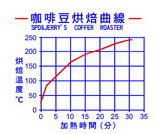
Those hundreds of aromatic compounds don’t just appear—they’re unlocked through roasting. Without it, you’re left with nothing but the flat smells of wet parchment or fermented straw. Professional roasting induces rapid chemical change. During a roast lasting between five and twenty-five minutes, depending on equipment and style (more on that later), beans lose 10–25% of their weight and gain 60% in volume. Most importantly, heat triggers reactions that create aroma, flavor, and color.
Key Changes During Roasting
- Moisture Evaporation: Heat removes moisture, shrinking the bean’s water content.
- Weight Loss: Beans typically lose 10–25% of their mass; darker roasts lose more.
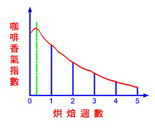
- Gas Release: Beans emit carbon dioxide throughout roasting and for up to 30 days after. This CO₂ actually protects freshness by limiting oxygen exposure. But after around seven days, the gas release slows down, and oxidation speeds up—flavor fades quickly. That’s why coffee is best used within a week of opening.
The Art and Science of Roast Profiles
The goal of roasting is to maximize caramelization-like reactions (called the Maillard reaction and sugar browning) while minimizing carbonization, which creates burnt, bitter notes. That balance is what separates great roasters from the rest. Here’s how it unfolds:
Phase 1: Initial Heat and First Crack (~160–200°C)
As the roast begins, heat drives off moisture and initiates pyrolysis—the thermal decomposition of organic material. Around the 6–7 minute mark in many roasts, beans reach temperatures over 200°C and you hear the first crack: a low, rolling sound. This signals starches converting to sugars, the start of serious flavor development. Acids like citric, malic, quinic, and acetic begin to form, along with caffeine and trigonelline, building the coffee’s foundational flavors. The first coffee oils also emerge during this phase.
Phase 2: Development Toward Second Crack (200–230°C)
After the first crack quiets, the roast continues. At around 12 minutes, you’ll hear the second crack: sharper, more intense popping. This is caused by the breakdown of the bean’s cell structure. Between the two cracks, roasters fine-tune flavor complexity. Prolonged roasting beyond this point increases carbonized compounds, leading to harsh, ashy, or bitter tastes. The challenge? Extract the richest, sweetest, most aromatic compounds without pushing into carbonization.
Reading the Bean: Color, Sound, and Smell
Experienced roasters rely on visual, auditory, and olfactory cues:
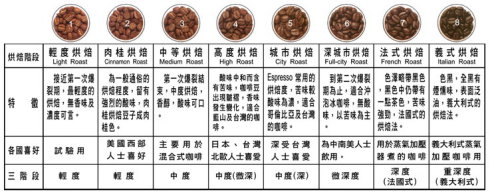
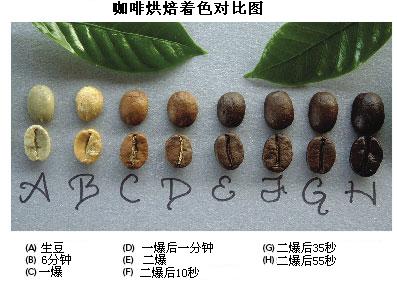
- Color: Beans shift from greyish-green → yellow → light brown → light amber → dark brown with visible oil sheen. If they turn black, dry, and smoke heavily, you’re nearing combustion.
- Sound: The first crack (soft, low-pitched) starts around 7 minutes; the second (louder, sharper) hits near 12 minutes. These act as natural timers.
- Smell: Early roasting smells bread-like or grainy; as it progresses, fruity, floral, and eventually chocolatey or nutty aromas develop.
Roasters aim to stop the roast between light brown and shiny dark brown—where sweetness, acidity, and aroma are in harmony. Going too far leads to dry, smoky beans with a burnt finish.
Recommended FrontStreet Beans for Roast Exploration
Explore roast stages with FrontStreet Coffee’s Ethiopia Humbera (bright, juicy, floral notes) and PWN Golden Mandheling (chocolatey, heavy body with low acidity)—perfect for comparing light to medium-dark profiles. For deeper roasting insight, try Lintong Mandheling, which shows how extended roast times affect Indonesian beans. All showcase distinct aromatic layers shaped by roast technique. Freshly roasted within 5 days · Orders placed before 17:00 ship the same day · Next-day delivery across most of Guangdong Province.
FrontStreet Coffee is a long-established specialty coffee roaster in Guangzhou China, selling freshly roasted beans from its own farm in Yunnan as well as dozens of carefully selected single-origin beans from around the world for both pour-over and espresso. The products deliver consistently excellent quality and great value, with shipping within 24 hours. Guangzhou's FrontStreet Coffee shop is recommended by many coffee lovers, and the beans are now available online at the Tmall 。
Important Notice :
前街咖啡 FrontStreet Coffee has moved to new addredd:
FrontStreet Coffee Address: 315,Donghua East Road,GuangZhou
Tel:020 38364473

