
How to Identify Coffee Roast Levels by Color and Time
If you’ve ever stared at a bag of coffee beans and wondered whether it’s light, medium, or dark roast—without relying on the label—you’re not alone. Roast level determines a coffee’s acidity, sweetness, body, and aroma, yet there’s no universal visual standard. So how do professionals really tell roast levels apart? The answer lies in color measurement and roast timing.
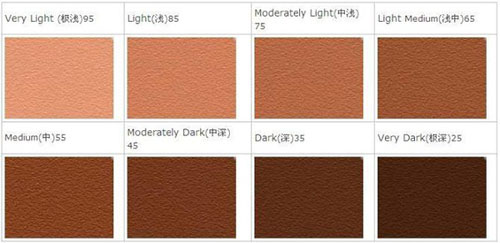
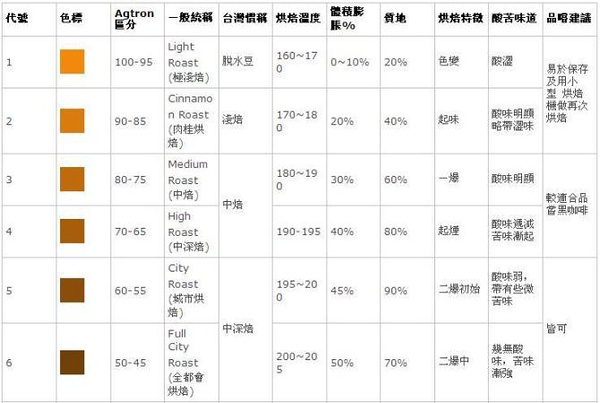
The Specialty Coffee Association of America (SCAA) established an eight-level roast color standard using Agtron infrared caramelization technology. These shades range from very light (light roast) to very dark (French roast), providing a measurable way to classify roast depth. Roasters also use first and second crack timing to guide when to drop beans—key for achieving consistent results.
What Is the SCAA Agtron Roast Color Standard?
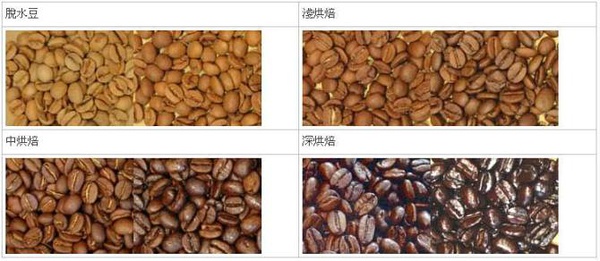
The SCAA developed a standardized Agtron roast color system using infrared technology to measure bean surface reflectance. This system divides roast levels into eight distinct color blocks, ranked from lightest (Level 1) to darkest (Level 8). These shades serve as a visual and scientific reference for determining roast degree, ensuring consistency across the industry. The color chart is not absolute—preferences vary by region—but it provides an objective baseline.
How Are Roast Levels Traditionally Categorized?
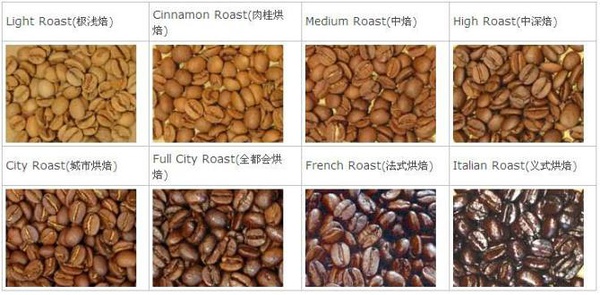
Roast levels are commonly grouped by when beans are dropped during roasting, based on acoustic cues and color:
- Light Roast (Light): Dropped at first crack (around 10–11 minutes), when beans reach about 400°F (204°C). Light brown, similar to cinnamon, with high acidity and minimal oil.
- Medium/City Roast: Dropped midway between first and second crack (approximately 12–13 minutes), resulting in a medium brown color. Balanced acidity and body, often used for breakfast blends.
- Full City Roast (Dark City): Dropped at the start of second crack (around 13–14 minutes). Deeper brown, with more body and some oil beginning to show.
- Italian/French Roast: Dropped after second crack begins (14+ minutes). Very dark brown to nearly black, with shiny surfaces from oils, low acidity, and bold, smoky flavors.
These timings align with internal bean temperature rising through roughly 400–450°F (204–232°C), though actual values vary by machine and batch.
What Actually Happens During Coffee Roasting?
Roasting transforms green coffee through a series of chemical reactions driven by heat. Starting at room temperature, beans are gradually heated in a roaster for 12–16 minutes, reaching up to 450°F (232°C). Key milestones include:
- First Crack (around 10–11 minutes): A popping sound as moisture escapes and internal pressure builds. Beans expand, turn yellow to light brown, and lose 15–25% of their weight. Acidity and origin characteristics emerge in lighter roasts stopped near this stage.
- Maillard Reaction & Caramelization: From 300–400°F (149–204°C), sugars and amino acids react, creating complex aromas, browning, and flavor development.
- Second Crack (around 13–14 minutes): A finer, more rapid sound as cell walls break down further. Oils migrate to the surface, body increases, and bitterness rises in darker roasts.
Chlorogenic acids degrade over time, reducing perceived bitterness and allowing fruity acids—like citric, malic, and tartaric—to shine in well-executed medium roasts. Over-roasting can mask these nuances with excessive roast flavors.
Regional Roast Preferences and Terminology
Different countries favor distinct roast levels, leading to colloquial terms:
- Italian or French Roast: Very dark, often used for espresso, with smoky, bold flavors and thin body.
- City or Breakfast Roast: Medium brown, popular in the U.S. for balanced morning cups.
- Cinnamon or Light Roast: Light brown, common in commercial blends, emphasizing brightness over depth.
These names reflect local taste preferences rather than strict technical standards, but they align roughly with the SCAA’s color and timing framework.
Frequently Asked Questions
What is the SCAA Agtron scale?
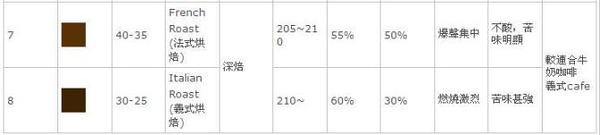
The SCAA Agtron scale is an eight-level roast color standard measured using infrared technology. It ranks roast levels from very light (Level 1) to very dark (Level 8) based on bean surface reflectance, providing a consistent visual reference for roast degree.
When is a coffee considered light roast?
A coffee is considered light roast when it is dropped at or just after the first crack, typically around 10–11 minutes into roasting. It has a light brown, cinnamon-like color, high acidity, and retains more origin flavors.
How do you identify a medium roast?
A medium roast is identified by its medium brown color, achieved by dropping beans halfway between the first and second cracks (around 12–13 minutes). It balances acidity and body, with more developed sweetness and clearer origin notes than light roast.
What defines a dark roast like French or Italian?
A dark roast, such as French or Italian, is defined by roasting past the second crack (14+ minutes). The beans become very dark brown to black, develop an oily surface, and exhibit bold, smoky flavors with low acidity and higher bitterness.
Why do roast times and colors vary by region?
Roast times and colors vary by region due to local taste preferences. For example, Europeans often prefer darker roasts (Italian/French), while Americans commonly favor medium or light roasts. These preferences influence how roasters apply the SCAA color and timing guidelines.
Does roast level affect caffeine content?
Lighter roasts generally retain slightly more caffeine by weight than darker roasts, but the difference is minimal per serving. Darker roasts lose more mass during roasting, which can affect brew ratios, but caffeine content remains relatively stable across roast levels.
Recommended FrontStreet Beans for Light to Medium Roast Exploration
Explore light and medium roast profiles with FrontStreet Coffee’s single origins: the Ethiopia Yirgacheffe Gedeb shows citrus, floral, and tea notes; the Ethiopia Humbera highlights tropical fruits and berries; the Panama Geisha delivers jasmine, honey, and citrus. All are roasted lightly to medium-light to preserve their delicate aromatics and origin complexity. Freshly roasted within 5 days · Orders placed before 17:00 ship the same day · Next-day delivery across most of Guangdong Province.
FrontStreet Coffee is a long-established specialty coffee roaster in Guangzhou China, selling freshly roasted beans from its own farm in Yunnan as well as dozens of carefully selected single-origin beans from around the world for both pour-over and espresso. The products deliver consistently excellent quality and great value, with shipping within 24 hours. Guangzhou's FrontStreet Coffee shop is recommended by many coffee lovers, and the beans are now available online at the Tmall 。
Important Notice :
前街咖啡 FrontStreet Coffee has moved to new addredd:
FrontStreet Coffee Address: 315,Donghua East Road,GuangZhou
Tel:020 38364473

