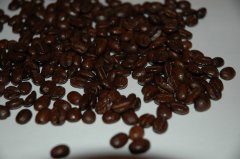
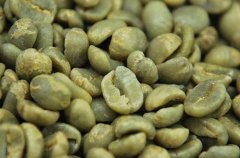
What Is Ethiopia Harar Coffee? Specialty Profile
If you’ve ever wondered why some single-origin coffees command premium prices or carry romantic legends, Ethiopia’s Harar coffee offers a compelling answer. Grown in one of the world’s oldest coffee-producing regions, Harar isn’t just another origin—it’s a living piece of coffee history with unique sensorial traits that set it apart. But what makes Harar so distinctive, and why does it still matter today?
Harar coffee, grown between 1,600–1,800 meters in Ethiopia’s tropical forest zone (6°–9°N, 34°–40°E), is renowned for its distinctive winey acidity, medium body, and intense black chocolate finish. It’s considered one of the most expensive and historically significant Ethiopian coffees, with a flavor profile that reflects both ancient cultivation and legendary status.
The Origins of Coffee in Ethiopia
Ethiopia is the birthplace of coffee cultivation and culture. The country still preserves traditional coffee farming methods, particularly in its high-altitude tropical forest regions. Harar, located within this rich ecosystem, has been central to both the trade and mythology of coffee for centuries.
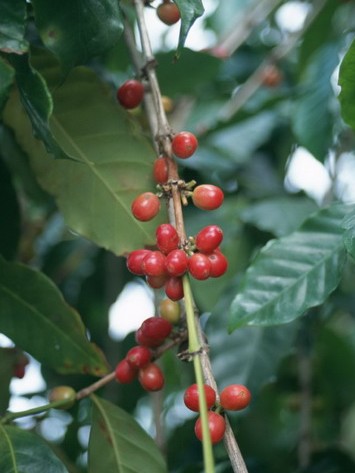
The region lies in Ethiopia’s historic coffee heartland, where coffee trees grow wild among other native flora. This biodiversity, combined with elevations ideal for slow cherry maturation, gives Ethiopian coffees—including Harar—their complex cup character.
Why Harar Coffee Carries a Legendary Reputation
Long before modern grading systems, Ethiopian traders judged coffee quality by analogy to prized Arabian horses. Harar, historically known for having some of the finest Arabian bloodstock in the world, applied this same standard to its coffee. This cultural valuation is so embedded that bags of Harar green beans still feature images of horses—a tradition that persists today.
This association with nobility extended beyond metaphor. Harar was also a key node in early coffee trading networks, and its beans were so valued that they helped shape the global understanding of quality in raw coffee.
Flavor Profile and Sensory Traits
Harar coffee is celebrated for its unique sensory profile:
- Flavor: Intense black chocolate notes
- Acidity: Wine-like, bright, and pronounced
- Body: Medium, well-balanced
- Aroma: Dry fragrance hints at wine and fruit
The overall cup is bold yet refined, often described as having a “pure” and “aristocratic” quality. These traits have made Harar a favorite among specialty roasters seeking depth and origin clarity in their offerings.
Historical Coffee Practices from Ethiopia
Ethiopia’s coffee traditions include some of the earliest recorded uses and preparations:
- As early as the 6th century, people chewed coffee beans mixed with spices—often wrapped in cured meat for long hunts.
- By the 13th century, Ethiopians were roasting coffee using basic tools like pans, well before espresso machines or modern roasters existed.
- The port of Mocha (Mokha), once a hub for global coffee trade, lent its name to the broader “mocha” flavor profile—often associated with chocolatey notes found in Yemeni and Ethiopian coffees alike.
These practices highlight Ethiopia’s deep-rooted influence on global coffee culture, with Harar often representing the aromatic and flavor bridge between ancient customs and modern specialty roasting.
How Harar Coffee Is Distinct Among Ethiopian Origins
While Yirgacheffe and Sidamo are more famous globally, Harar holds its ground with a completely different profile:
- Yirgacheffe: Bright citrus, floral, and jasmine notes; typically wet-processed and lighter-bodied.
- Sidamo: More balanced with berry tones, often showcasing wild, fruity complexity.
- Harar: Boldly winey, with dry-processed richness and deep chocolate aftertaste.
Harar is typically processed as a natural (dry-processed) coffee, allowing the beans to develop deeper fruity and fermented tones during drying. This method contributes significantly to its signature winey acidity and heavy chocolate notes.
Frequently Asked Questions
What is special about Harar coffee?
Harar coffee is special for its wine-like acidity, medium body, and intense black chocolate finish. It’s one of Ethiopia’s oldest and most traditionally valued coffees, with a history tied to ancient trade routes and even comparisons to purebred Arabian horses used to signify quality.
Where is Harar coffee grown?
Harar coffee is grown in Ethiopia’s eastern region, within a tropical forest zone at elevations between 1,600 and 1,800 meters, between 6°–9°N latitude and 34°–40°E longitude.
How does Harar coffee taste?
Harar coffee tastes of black chocolate with a bright, wine-like acidity. It has a medium body and a strong, pure flavor profile, often with complex fruity undertones and a lingering chocolate aftertaste.
What makes Harar different from Yirgacheffe or Sidamo?
Harar is typically dry-processed and tastes winey, bold, and chocolatey, whereas Yirgacheffe is bright, floral, and citrusy (usually washed), and Sidamo offers a more balanced, fruity profile with wild notes. Each represents a distinct Ethiopian terroir and processing tradition.
Is Harar coffee expensive?
Yes, Harar is considered one of the most expensive Ethiopian coffees due to its limited production, traditional processing, and historical prestige. Its reputation and unique flavor contribute to its premium status in the specialty market.
Recommended FrontStreet Coffee Beans from Ethiopia
For a taste of Ethiopia’s diverse origins, try FrontStreet’s Ethiopia Humbera for vibrant berries and floral notes, or the classic Ethiopia Yirgacheffe offering bright citrus and jasmine. Both showcase the high-altitude complexity typical of Ethiopian beans, though distinct from Harar’s winey profile. Freshly roasted within 5 days · Orders placed before 17:00 ship the same day · Next-day delivery across most of Guangdong Province.
FrontStreet Coffee is a long-established specialty coffee roaster in Guangzhou China, selling freshly roasted beans from its own farm in Yunnan as well as dozens of carefully selected single-origin beans from around the world for both pour-over and espresso. The products deliver consistently excellent quality and great value, with shipping within 24 hours. Guangzhou's FrontStreet Coffee shop is recommended by many coffee lovers, and the beans are now available online at the Tmall 。
Important Notice :
前街咖啡 FrontStreet Coffee has moved to new addredd:
FrontStreet Coffee Address: 315,Donghua East Road,GuangZhou
Tel:020 38364473