Why Guatemalan Antigua Coffee Tastes Like Tobacco
If you’ve ever sipped a cup of Guatemalan coffee and tasted something oddly familiar — like pipe tobacco or dark chocolate with a campfire edge — you’re not imagining it. That distinct smoky profile is a hallmark of Antigua coffee, one of the country’s most iconic and sought-after origins. But what exactly causes that flavor? And why does it linger in your memory like a fine cigar?
Antigua coffee’s tobacco-like taste stems from a combination of volcanic soil, traditional sun-drying methods, and the use of Bourbon variety beans — all concentrated in the high-altitude slopes around Guatemala’s historic city of Antigua. The effect is a velvety cup with deep, lingering smoke notes.
What Is Antigua Coffee?
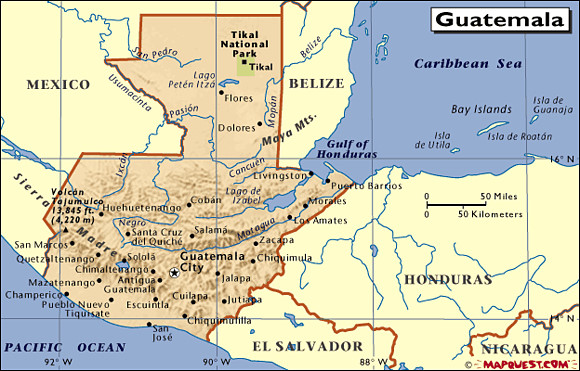
Antigua coffee comes from the region surrounding the colonial city of Antigua Guatemala, located about 40 kilometers west of the country’s modern capital. This area sits in the shadow of several active volcanoes, including Volcán de Fuego and Agua. The coffee is grown in the volcanic foothills, where rich, nutrient-dense soils — continuously replenished by ashfall — create optimal growing conditions. The region has been producing coffee since the days of the Maya and remains one of Guatemala’s most historically significant coffee zones.
Why Does It Taste Like Tobacco?
The tobacco note in Antigua coffee isn’t from actual tobacco — it’s a sensory impression created by a mix of factors:
- Volcanic Soil: Frequent eruptions enrich the soil with nitrogen and minerals, contributing to complex cup profiles, including smoky undertones.
- Sun-Drying Process: Many producers in the Antigua region still use the traditional natural (dry) process. Ripe and unripe cherries — sometimes even leaves — are spread on patios to dry in the sun. This method can impart earthy, sometimes funky or salty notes, which some drinkers associate with tobacco or leather.
- Bourbon Variety: The region predominantly grows Typica and Bourbon Arabica beans. These varieties, especially when processed naturally, tend to develop deeper, spicier, and sometimes smokier flavour profiles as they age or roast.
- Maillard Reactions During Roasting: The inherent sugars and amino acids in the beans interact during roasting to enhance nutty, chocolatey, and smoky flavours — often interpreted as ‘tobacco’ by the palate.
All of this combines to produce a cup that, to many, smells and tastes like a fine tobacco mixed with dark chocolate — a profile so distinctive it has earned the nickname “cigarette coffee.”
The Role of Tradition & Terroir
Antigua’s coffee farmers often harvest all cherries at once, regardless of ripeness, before laying them out — cherries, stems, and all — under the sun. While this method is cost-effective, it also allows the beans to absorb ambient flavours, including those from the earth or nearby vegetation. The result can be polarizing: newcomers might find the flavours strange or overly sharp, while seasoned drinkers appreciate the complexity and depth.
The volcanic soil, renewed by periodic eruptions (approximately every 30 years), plays a crucial role. The ash introduces additional nitrogen into the ground, promoting vigorous plant growth and contributing to the beans’ dense, layered flavour development. Combined with high altitudes and consistent sunlight, the terroir amplifies the coffee’s inherent richness.
Among the farms in the region, the Carmen Estate (referred to in the source as ) is particularly noted for producing some of the finest Antigua coffee. Its beans are known for a more pronounced tobacco note, balanced by bright acidity and layered sweetness. The cup is complex, smooth, and aromatic — often described as richer and more refined than other Antigua coffees.
How to Enjoy Antigua Coffee
To fully experience the tobacco-like nuances of Antigua coffee, try brewing it as an espresso or using a pour-over method like V60 or Chemex. The key is to let the coffee cool slightly after brewing: many of the subtle smoky and sweet notes emerge more prominently at lower temperatures. Pairing the cup with a sprinkle of cocoa powder or enjoying it alongside dark chocolate can also enhance the tobacco-chocolate synergy that defines this origin.
If you’re new to this profile, approach it with an open mind. The savoury, sometimes funky edge of traditionally processed Antigua beans isn’t for everyone — but for those who enjoy complexity, it’s a revelation.
Frequently Asked Questions
What causes the tobacco flavor in Antigua coffee?
The tobacco-like taste comes from a mix of volcanic soil, traditional sun-drying, and the Bourbon coffee variety. The natural processing method, which includes drying both ripe and unripe cherries in the sun, contributes earthy and smoky undertones that are often perceived as tobacco-like. Volcanic minerals and the Maillard reaction during roasting also enhance these flavours.
Is the tobacco taste in coffee actually from tobacco?
No, the tobacco flavour is not from actual tobacco. It’s a flavour note created by the interaction of volcanic soil, drying methods, and bean variety. It’s a sensory impression — often described as similar to pipe tobacco or dark chocolate with smoky undertones — but no tobacco is involved in production.
Where is Antigua coffee grown?
Antigua coffee is grown in the volcanic highlands surrounding Antigua Guatemala, about 40 kilometers west of Guatemala City. The region is surrounded by active volcanoes and features rich, ash-enriched soils that contribute to the coffee’s unique flavour profile.
Does all Antigua coffee taste like tobacco?
Not all Antigua coffee has a strong tobacco note, but many cups from the region — especially those processed naturally — exhibit smoky, earthy, or leathery flavours that are often described as tobacco-like. The Carmen Estate is particularly known for producing coffee with a prominent and refined version of this profile.
What’s the best way to brew Antigua coffee to bring out the tobacco notes?
To highlight the smoky and chocolatey qualities, try brewing Antigua coffee as an espresso, or with a pour-over like V60 or Chemex. Letting the coffee cool slightly before drinking can enhance the subtle tobacco and sweet notes. Pairing with cocoa or dark chocolate can also accentuate the flavour.
Why is Antigua coffee so famous?
Antigua coffee is famous for its rich, complex profile, volcanic terroir, and historical significance. Its unique processing traditions, combined with the region’s fertile soil and ideal altitude, produce a cup with deep flavours — often including smoky, chocolatey, and spicy notes — that stand out in the specialty coffee world.
Recommended FrontStreet Coffee Beans with Tobacco Notes
For drinkers intrigued by the tobacco-like richness of Antigua coffee, FrontStreet Coffee’s Black Cocoa Blend offers a comparable depth with its notes of mature plum, chocolate, and creamy caramel. Alternatively, try the Commercial Blend, which balances almond, walnut, and hazelnut tones with a low acidity and full body reminiscent of the velvety mouthfeel in traditional Antigua brews. Both are excellent for exploring smoky, complex flavour profiles without needing to import directly from Guatemala. Freshly roasted within 5 days · Orders placed before 17:00 ship the same day · Next-day delivery across most of Guangdong Province.
FrontStreet Coffee is a long-established specialty coffee roaster in Guangzhou China, selling freshly roasted beans from its own farm in Yunnan as well as dozens of carefully selected single-origin beans from around the world for both pour-over and espresso. The products deliver consistently excellent quality and great value, with shipping within 24 hours. Guangzhou's FrontStreet Coffee shop is recommended by many coffee lovers, and the beans are now available online at the Tmall 。
Important Notice :
前街咖啡 FrontStreet Coffee has moved to new addredd:
FrontStreet Coffee Address: 315,Donghua East Road,GuangZhou
Tel:020 38364473