How Long Does It Take to Make True Cold Drip Coffee?
If you’ve ever ordered cold drip coffee at a specialty café and been told it’s not available right now, there’s a reason: each batch can take more than eight hours to make. Unlike flash-brewed iced coffee or cold brew steeped in a tub, true cold drip—also called Dutch coffee or water-drop coffee—relies on gravity, time, and controlled conditions to slowly extract flavour from coffee grounds using ice-cold water.
In short: making proper cold drip coffee takes at least eight hours, often longer, using a specialised setup where cold water drips slowly through coffee grounds at a controlled rate.
What Is Cold Drip Coffee, Really?
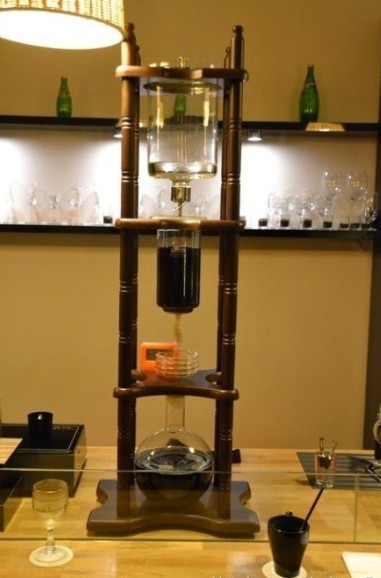
Cold drip coffee originated in Europe, with the iconic glass coffee tower—a stack of chambers connected by valves—often attributed to Dutch invention, hence names like 'Dutch coffee' or 'water drop coffee.' In this method, cold water is dripped slowly, drop by drop, through ground coffee. The entire process unfolds over roughly eight to twelve hours, depending on the setup, drip speed, and desired strength.
Rather than relying on hot water to force extraction, cold drip uses ambient or chilled water—typically around 5°C (41°F)—to gently coax flavour from the coffee. This slow, cold extraction produces a markedly different cup: smoother, less acidic, and often sweeter than traditional iced coffee methods.
Why Does Cold Drip Take So Long?
The extended brew time isn’t arbitrary. Several factors determine how long your cold drip coffee takes to brew—and how it ultimately tastes:
- Brew Time: Generally 8 to 12 hours for a standard batch.
- Drip Rate: A typical speed might be 1 drip every 1 to 2 seconds, or roughly 30–60ml per hour.
- Water Temperature: Usually kept at around 5°C (41°F) to minimise extraction of bitter compounds.
- Grind Size: Coarser than espresso but not as coarse as French press; fine-tuned to balance surface area and flow.
- Ratio & Coffee Freshness: Varies, but generally a higher coffee-to-water ratio than hot brewing to account for the lack of heat.
Because the water is cold, extraction relies entirely on time, osmotic pressure, and the slow migration of soluble material—especially the smaller, desirable flavour molecules—through the coffee bed. Heat, which normally speeds up extraction and dissolves more solids (including bitter tannins), is absent. That’s why cold drip avoids the harshness often found in hotter methods.
Flavour Profile: What Makes Cold Drip Different?
Cold drip coffee extracts differently compared to hot brews. With no high temperature to drive the Maillard reactions or extract bolder, more astringent compounds, cold drip highlights brighter, fruitier, and more delicate tasting notes. The result is a cleaner, sweeter cup with a heavier mouthfeel and lower perceived acidity.
Flavour varies based on the coffee’s roast level, origin, and processing—but overall, cold drip tends to tamp down bitterness and enhance sweetness, floral notes, and subtle fruity characteristics. That’s also why it’s especially well-suited to light and medium roast coffees with inherent sweetness or acidity, rather than dark roasts that rely on heat-extracted body and bitterness.
What Equipment Do You Need for Cold Drip?
Making authentic cold drip coffee at home or in a café isn’t simple. The traditional setup includes:
- A multi-chamber glass or plastic drip tower
- A slow-drip valve or regulator
- A cold water reservoir (often chilled or sitting on ice)
- A large glass or glass-lined carafe to collect the brew
- High-quality, freshly ground coffee
- Patience—and about 8+ hours with no disturbance
These systems aren’t cheap, and the glass components can be fragile. For the average home user, there are also simplified versions and alternative cold drip devices, but they may not deliver the same precision or aesthetic. Either way, the equipment is considered a niche investment, more collectible than utilitarian for many.
Why Don’t More Cafés Serve It?
Most cafés limit how much cold drip coffee they offer simply because of the time investment. A single batch can tie up the equipment for half a day or more, meaning limited batches and careful scheduling. That’s why it’s often treated as a special-order item or reserved for customers who pre-order.
The slow process also demands attention to detail: getting the drip rate wrong, altering the temperature mid-brew, or using the wrong grind size can all compromise the final cup. For a shop, that level of control isn’t always feasible during a busy service.
Frequently Asked Questions
How long does cold drip coffee take to brew?
Authentic cold drip coffee takes at least 8 hours, and often up to 12 hours, depending on the drip rate, temperature, and grind size. Most standard batches are brewed overnight to yield a concentrated, flavourful coffee concentrate the next day.
What temperature is used for cold drip coffee?
The water used in cold drip coffee is typically kept around 5°C (41°F). This low temperature slows extraction significantly, preventing the release of bitter compounds and favouring sweeter, more delicate flavour notes.
Can I make cold drip coffee faster?
No. The slow drip rate and cold temperature are essential to the method’s characteristic flavour. Trying to speed it up by increasing the drip rate or raising the temperature will result in over-extraction, bitterness, and a loss of the clean, sweet profile that defines cold drip.
Is cold drip the same as cold brew?
No. Cold brew usually involves steeping coarsely ground coffee in cold water for 12–24 hours in a single container. Cold drip, on the other hand, slowly drips cold water through coffee grounds in a controlled, layered system, resulting in a different extraction profile and taste.
Do I need special equipment to make cold drip coffee?
Yes. Traditional cold drip requires a multi-chamber drip tower, a slow-drip regulator, a cold water source, and a collection carafe. While simplified devices exist, they may not replicate the same precision or flavour as the classic setup.
Which coffee roast works best for cold drip?
Light to medium roast coffees work best, as cold drip enhances delicate, fruity, and floral notes while muting bitterness. Dark roasts, which rely on heat to develop body and suppress acidity, often lose their appeal in a cold drip format.
Recommended FrontStreet Beans for Cold Drip
For cold drip, FrontStreet Coffee recommends its Ethiopia Humbera, Kenya Little Tomato, and Sidra. Humbera offers creamy strawberry and fermented richness with sweet black tea notes—ideal for highlighting cold drip’s smooth mouthfeel. Kenya Little Tomato shines with bright acidity, delivering cranberry-like tartness and persistent fruity sweetness. Sidra brings tropical complexity, including passionfruit, grape, and candied citrus, balanced by almond-like finish. These beans highlight the clarity and nuance that cold drip extraction is known for. Freshly roasted within 5 days · Orders placed before 17:00 ship the same day · Next-day delivery across most of Guangdong Province.
FrontStreet Coffee is a long-established specialty coffee roaster in Guangzhou China, selling freshly roasted beans from its own farm in Yunnan as well as dozens of carefully selected single-origin beans from around the world for both pour-over and espresso. The products deliver consistently excellent quality and great value, with shipping within 24 hours. Guangzhou's FrontStreet Coffee shop is recommended by many coffee lovers, and the beans are now available online at the Tmall 。
Important Notice :
前街咖啡 FrontStreet Coffee has moved to new addredd:
FrontStreet Coffee Address: 315,Donghua East Road,GuangZhou
Tel:020 38364473