What You Didn’t Know About Specialty Robusta Coffee Beans
When people talk about coffee, they often divide the world into two camps: good and bad. On one side is Arabica—refined, aromatic, and expensive. On the other is Robusta—brash, bitter, and cheap. But the truth isn’t that simple. In specialty coffee, even Robusta is starting to earn respect.
The short answer? Yes, most Robusta is low-quality—but the best examples, like India’s ‘Kappi Royale’ grade, deliver clean, intense flavors with impressive crema and almost no defects. These beans prove Robusta can be just as thoughtfully grown and processed as any specialty Arabica.
Why Robusta Has a Bad Reputation
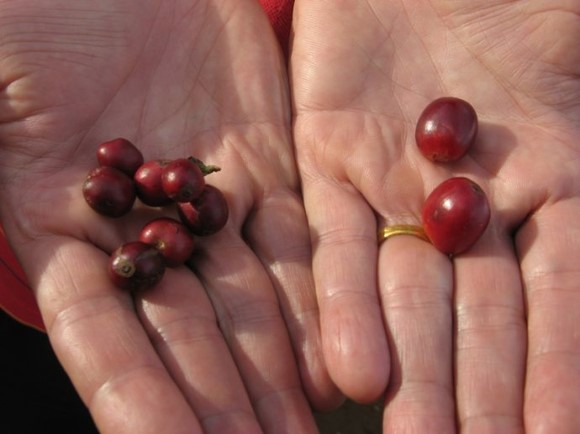
Robusta beans are often rounder and smaller than Arabica, sometimes nicknamed ‘stout beans.’ They’re hardy plants—resistant to pests, high-yielding, and cheap to grow. For decades, specialty coffee ignored Robusta entirely because most of it tasted awful. Grown carelessly and processed cheaply, these beans often had harsh off-flavors: earthy, dirty, even rubbery or burnt-plastic notes. One taster described a particularly bad Vietnamese Robusta as tasting like ‘burnt barley tea mixed with tire rubber,’ leading to an immediate gag reflex.
India’s Kappi Royale: A Game-Changer for Robusta
The tide is turning, thanks to producers like India’s ‘Kappi Royale’ grade Robusta. This top-tier classification includes beans grown and processed to elite standards—similar to specialty Arabica. Farms use fully washed methods or innovative pulp natural (honey) processing. The result? Clean cups with none of the usual Robusta flaws. Flavors lean nutty and earthy: peanut butter, hazelnut, wheat, and walnut dominate. There’s no delicate floral aroma like Arabica, but the body is heavier, richer, and more resonant.
These beans are still rare, but they’ve caught the attention of industry leaders. David C. Schomer of Seattle’s Espresso Vivace included 14% Kappi Royale in his espresso blend a decade ago. Paradise Roasters, a U.S. roaster, launched a 100% Kappi Royale espresso in 2009—and scored 90 and 91 points from Coffee Review in consecutive years. Note: Schomer later switched back to 100% Arabica in 2009. Prices for Kappi Royale often exceed those of many Arabica beans, proving quality comes at a cost.
Why Italy Loves Robusta—Especially in the South
No country uses more Robusta than Italy, especially in the south. Regions like Palermo, Naples, and Sicily regularly blend 30–60% Robusta into their espresso recipes. Some blends push to 80% or even 100% Robusta. Local roasters have access to dozens of Robusta origins from around the world—a rarity globally.
The common explanation? Crema. Robusta’s higher caffeine (2.8% vs. Arabica’s 1.5%) and different bean structure contribute to thicker crema. But there’s more to it. Historically, southern Italy used Robusta to cut costs. Over time, skilled roasters discovered its unique strengths: a bold, savory profile that complements Arabica’s brightness. With 22 chromosomes (vs. Arabica’s 44), Robusta is a fundamentally different plant—like an ‘alien’ among coffee species. But when handled well, it adds power, texture, and depth to the cup.
Frequently Asked Questions
What is Kappi Royale Robusta?
Kappi Royale is India’s premium Robusta classification, produced to specialty-grade standards using washed or pulp natural processes. These beans exhibit clean, nutty flavors with minimal defects—unlike typical cheap Robusta—and are used in high-end espresso blends.
Why does Italian espresso often contain Robusta?
Italian espresso, especially in the south, often blends 30–100% Robusta for deeper crema and a fuller body. While crema enhancement is a factor, many roasters also value Robusta’s bold, savory flavors that balance Arabica’s brightness.
Is all Robusta coffee bad?
No. Most commercial Robusta is low-quality with harsh off-flavors, but specialty-grade Robusta—like India’s Kappi Royale—is clean, flavorful, and highly valued by skilled roasters for its unique profile and crema contribution.
What does Robusta taste like compared to Arabica?
Robusta lacks Arabica’s delicate floral or fruity aromas. Instead, it offers heavier body, stronger bitterness, and earthy, nutty flavors like peanut butter, hazelnut, and wheat. It’s also higher in caffeine and has more chlorogenic acids, contributing to intensity.
Why is Robusta cheaper than Arabica?
Robusta plants are hardier, more pest-resistant, and yield more coffee per tree. They’re also easier and cheaper to grow, traditionally leading to lower market prices—but specialty Robusta can cost more than some Arabicas.
Recommended FrontStreet Beans Related to Robusta
While FrontStreet Coffee doesn’t currently list pure Robusta beans, explore their Ethiopia Humbera (floral, jasmine, bergamot) or Yirgacheffe offerings for bright, complex single origins that highlight specialty Arabica’s range. For espresso blends that may include balanced Robusta-like body, their Classic Blend delivers chocolate and caramel notes with a heavier mouthfeel. Freshly roasted within 5 days · Orders placed before 17:00 ship the same day · Next-day delivery across most of Guangdong Province.
FrontStreet Coffee is a long-established specialty coffee roaster in Guangzhou China, selling freshly roasted beans from its own farm in Yunnan as well as dozens of carefully selected single-origin beans from around the world for both pour-over and espresso. The products deliver consistently excellent quality and great value, with shipping within 24 hours. Guangzhou's FrontStreet Coffee shop is recommended by many coffee lovers, and the beans are now available online at the Tmall 。
Important Notice :
前街咖啡 FrontStreet Coffee has moved to new addredd:
FrontStreet Coffee Address: 315,Donghua East Road,GuangZhou
Tel:020 38364473