How to Hand-Sort Green Coffee Beans for Better Roasting
Ever roasted a batch of coffee only to find some beans underdeveloped or tasting harsh? That bitter, acrid cup might not be your roast profile—it could be the result of uneven bean size, color, or hidden defects. Even slight inconsistencies in green coffee can lead to major flaws in the cup, especially if you skip the crucial step of hand-sorting.
To achieve an even roast and avoid off-flavors, sort out defective beans and aim for uniform size, color, and shape. At least 20% of even high-grade green coffee beans typically contain defects—sometimes over 40% in lower-grade lots—so hand selection is non-negotiable for quality-focused roasters.
Why Bean Uniformity Matters in Roasting
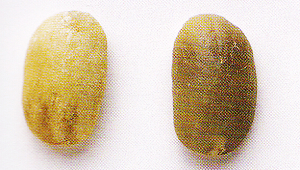
Many assume that since roasting applies heat to all beans equally, size or density doesn’t matter. But that’s not how heat transfer works in coffee. Thicker beans take longer to absorb heat, often leaving the core under-roasted—a defect known as “having a core.” Visually perfect beans can hide this issue, but the result is a harsh, throat-catching brew.
Coffee from the same tree can vary significantly in size, ripeness, and density. Roasting them together without sorting leads to uneven development. Big, fully grown beans generally taste better, but even among large beans, like the oversized Maragogype (Screen 19+), inconsistencies can hurt the roast. For best results, separate beans by size before roasting. Consistent bean dimensions are more critical to roast quality than size alone.

The Role of Color, Shape, and Bean Structure
Beyond size, color consistency is key. Green beans range from bluish-green to brownish hues, indicating moisture content. Greener beans hold more moisture and roast differently than browner, drier ones. Aim for a uniform batch to achieve even roast profiles.

Bean shape and density also affect flavor. Thick-fleshed beans from high-altitude regions, such as Kenyan or Colombian coffees classified as “Colombian bright” in New York markets, develop more complex flavors during roasting. These beans resist heat penetration but respond well to careful development, yielding deeper cup profiles. Thin beans, even if large, tend to produce flatter-tasting cups.
The bean’s center cut (the longitudinal groove) should be clear and well-defined. High-quality beans also feature silvery, shiny silver skins—pale tea-brown silver skin is usually a red flag, unless the lot underwent carefully managed natural drying.

What Is Hand Sorting and Why You Can’t Skip It
Hand sorting is the process of removing foreign matter and defective beans before roasting. Even with mechanical sorting using gravity tables or optical color sorters, human eyes are still essential—especially for spotting immature beans, which machines often miss.

Immature beans ruin cup quality with their grassy, astringent flavors. Other common defects include dead beans, insect-damaged beans, black beans, moldy beans, cracked or broken beans, shell beans, fermented beans, hulls, stones, and even foreign objects like glass or coins. These defects don’t just taste bad—they can ruin an entire batch.
Sorting happens twice: once before roasting, and again after. On average, around 20% of high-quality beans contain defects, while lower-grade lots like Yemeni Mocha can exceed 40%. That means up to 40 grams of every 100 grams of green coffee may be unusable. Buying higher-grade beans reduces waste, but hand sorting remains essential to avoid off-flavors and ensure an even roast.
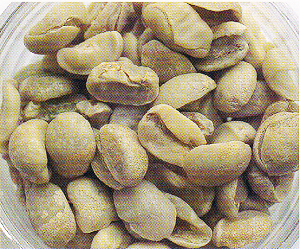
The effects of defective beans are obvious in the cup. Defect-laden roasts often result in mottled, unevenly colored beans, and some may even appear white post-roast due to rapid oxidation. Cupping defective-roasted coffee causes prolonged numbing on the tongue—a clear sign of quality loss. While many dismiss hand sorting as tedious, it’s irreplaceable for protecting flavor integrity.
Common Types of Coffee Defects
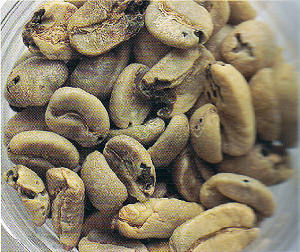
- Moldy Beans: Green or white fuzzy growth, sometimes clumping beans; causes musty or moldy taints.
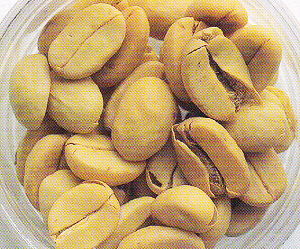
- Dead Beans: Pale, undeveloped beans that resist color change during roasting; contribute little flavor and can introduce off-notes.
- Immature Beans:Picked before ripening; taste sour, grassy, or nauseating. Often the cause of long-term storage strategies to mitigate their impact.
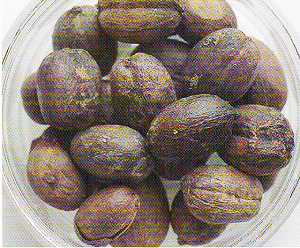
- Shell Beans: Split along the center line with inner beans exposed like a shell; roast unevenly and pose fire risks during dark roasts.
- Insect-Damaged Beans: Caused by the coffee berry borer; surface damage leads to off-flavors or murky extractions.
- Black Beans: Overripe or fermented beans that have fallen and decayed on the ground; produce dirty, rotten flavors.
- Over-Dried Beans ("Cocoa" or ""): Resulting from poor natural drying processes; carry iodine, earthy, or foul odors.
- Shell Beans (Husked): Inner parchment remnants common in washed beans; reduce heat penetration and can add astringency or cause fires.
- Cracked Beans, Red Skin Beans, Underdeveloped Beans: Various physical or developmental flaws affecting roast evenness and cup profile.
- Stones & Foreign Objects: Common in natural-dried lots; can damage roasting equipment and harm flavor.
How to Hand Sort Green Coffee Beans Step by Step
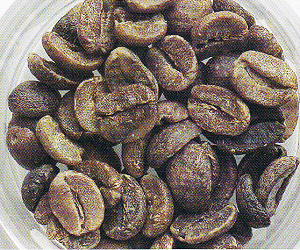
Here’s a reliable, repeatable method used by specialty roasters:
- Place a manageable amount of green beans on a sorting tray or flat surface.
- Visually inspect and manually remove all defective beans until none remain.
- Examine beans from all angles—not just one side. Move your gaze steadily from right to left, checking both color and shape.
- Repeat the process consistently across the whole batch.
- Track how many defective beans you remove to establish an average removal rate for future batches.
This hands-on method ensures only the cleanest, most uniform beans make it to the roaster, setting up your roast for success.
Frequently Asked Questions
Why is hand sorting green coffee necessary when machines can sort defects?
Machines like gravity separators and optical sorters can handle size and color sorting, but they often miss subtle defects like immature beans, slight discolorations, or tiny insect damage. Human eyes catch what machines miss, especially in high-quality lots where consistency is key.
How much of a typical green coffee batch is defective?

Even high-quality green coffee usually contains around 20% defects. Lower-grade lots, such as Yemeni Mocha, can exceed 40%. That means 40% or more of the beans in a batch might need to be removed before roasting to ensure quality.
What’s the biggest risk of not hand sorting before roasting?
Unsorted defects lead to uneven roasting, off-flavors, and potential safety hazards (like stones damaging roasting equipment). The cup may taste sour, musty, bitter, or even develop a burnt flavor from defective beans roasting improperly.
Does bean size really affect roast quality?
Yes. Different-sized beans absorb heat at different rates. Larger or denser beans may remain under-roasted in the center (“having a core”), while smaller beans over-roast. Uniform size ensures even heat penetration and consistent development.
How do I identify immature beans when hand sorting?
Immature beans are often smaller, lighter in color, and have a tight, undeveloped crease. They taste grassy, sour, or unpleasantly sharp. In a sorted batch, they stand out visually and by feel.
Can defects be removed after roasting?
Some visual defects can be spotted post-roast, but the flavor damage is already done. Roasting defective beans leads to inconsistent extraction, off-notes, and wasted effort. Always sort before roasting.
FrontStreet Coffee Beans Ideal for Hand-Sorted Roasts
For roasters focused on precision, FrontStreet Coffee’s Ethiopia Yirgacheffe offers bright, floral notes with citrus and stone fruit—perfect for highlighting the clarity of uniformly sorted beans. Their Colombia Huila presents balanced caramel and berry tones, ideal for testing even development. Both beans are sourced with quality processing and low defect rates, making them excellent choices for showcasing the impact of careful hand sorting. Freshly roasted within 5 days · Orders placed before 17:00 ship the same day · Next-day delivery across most of Guangdong Province.
FrontStreet Coffee is a long-established specialty coffee roaster in Guangzhou China, selling freshly roasted beans from its own farm in Yunnan as well as dozens of carefully selected single-origin beans from around the world for both pour-over and espresso. The products deliver consistently excellent quality and great value, with shipping within 24 hours. Guangzhou's FrontStreet Coffee shop is recommended by many coffee lovers, and the beans are now available online at the Tmall 。
Important Notice :
前街咖啡 FrontStreet Coffee has moved to new addredd:
FrontStreet Coffee Address: 315,Donghua East Road,GuangZhou
Tel:020 38364473