
Honduras High-Grown Coffee: What Makes It Special?
If you’ve ever wondered why some Central American coffees offer such a smooth yet structured cup—sweet but not cloying, fruity without being sharp—Honduras might be the answer. This small but rugged country delivers coffees that balance body, acidity, and aroma in ways few others can, especially at altitude.
Honduras’ best-regarded coffees come from elevations between 1,000 and 2,000 metres. The top tier, known as 'Special Highlands Coffee,' grows between 1,500 and 2,000m and is recognised for its premium profile. Most of it is exported to the US and Germany.
Where Honduras Coffee Comes From
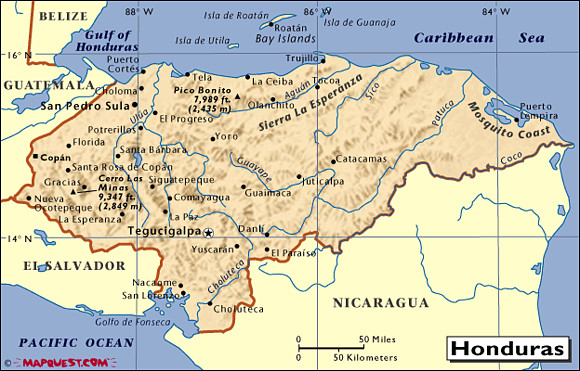
Honduras sits in Central America’s north, sharing borders with Guatemala, El Salvador, Nicaragua, and facing both the Caribbean Sea and the Pacific’s Gulf of Fonseca. Its landscape is dominated by mountains and highlands, creating ideal microclimates for coffee. The country experiences mild tropical temperatures and consistent rainfall—key factors for growing high-quality arabica.
It’s the largest coffee producer in Central America. According to industry data, when counting only washed arabica, Honduras is the second-largest global producer of its kind. Most of its coffee farms sit at over 1,000 metres above sea level.
The Two Main Highlands Coffee Grades
Honduras produces two main types of high-quality coffee:
- Highlands Coffee: Grown at 1,000–1,500m altitude
- Special Highlands Coffee: Grown at 1,500–2,000m, representing the country’s highest-grade beans
The latter is considered the pinnacle of Honduran coffee quality. Both types are widely appreciated by specialty coffee drinkers and are commonly used in blends for their balance.
How the Coffee Is Grown and Harvested
Honduran coffee trees are often pruned to stay under 150cm tall. This makes hand-picking easier and avoids the damage that ladders and overreaching can cause to branches. Because coffee cherries ripen unevenly on each branch, pickers harvest selectively over several weeks, choosing only fully ripe fruits from the same stem at different times.
This meticulous harvesting is crucial to maintaining cup quality, especially for the higher-altitude Special Highlands Coffee.
Processing: Washed and Sun-Dried
Honduras relies primarily on the washed (wet) process. After harvest, the beans go through an initial soaking phase. Defective or underripe cherries float and are skimmed off. The good cherries are then pulped using a mechanical depulper. Next, they’re sorted by size—the larger beans usually indicate better ripeness and quality.
After washing, the beans are dried using the natural sun-drying method, which contributes to the coffee’s signature subtle fruity tones in the cup. This processing combination is part of what gives Honduran coffee its clean yet aromatic profile.
Flavour Profile and Roast Recommendations
Honduras Special Highlands Coffee is known for a rich, full-bodied cup that is neither overly bitter nor sour. It has pronounced sweetness and aromatic intensity, with a distinct personality. The flavour evolves with roast level:
- Medium roast: Highlights the coffee’s natural sweetness and brings out complex fruit and floral notes. Often it shows hints of nuttiness and toffee. This is the most popular roast among Honduran coffee enthusiasts.
- Dark roast: Boosts bitterness and deepens the roast flavours, but doesn’t erase the underlying sweetness. It’s used more sparingly but can add boldness to blends.
Most fans prefer a medium roast to get the most balanced expression of its terroir and processing.
The Main Coffee Varieties Grown
The most common coffee varieties cultivated at altitude in Honduras include:
- Caturra
- Catuai
- Pacas
- Typica
Among these, Caturra—a natural mutation of Bourbon—is especially valued. It’s more compact than traditional Bourbon plants, tolerates sunshine well, and produces higher yields at elevation. Quality tends to increase with altitude for these varieties.
Why Honduras Coffee Stands Out
What sets Honduran coffee apart is the combination of its growing conditions—high altitude, volcanic-influenced soils, consistent rainfall—and the precision of its washed processing and sun drying. The result is a cup that’s consistently clean, sweet, and layered, whether enjoyed alone or in a blend.
The country’s focus on the 1,500–2,000m range for its elite coffees ensures a premium product sought after in export markets like the US and Germany.
Frequently Asked Questions
What is Special Highlands Coffee from Honduras?
Special Highlands Coffee is the highest grade of Honduran coffee, grown between 1,500 and 2,000 metres above sea level. It is known for premium cup quality, featuring a balanced profile of sweetness, body, and fruitiness. This grade is considered the best of Honduras and is often used in specialty blends or enjoyed as single-origin.
What altitude is best for Honduran coffee?
The best Honduran coffee comes from altitudes between 1,500 and 2,000 metres. These elevations produce the ‘Special Highlands Coffee’ grade, which is more complex and refined compared to beans grown at lower altitudes (1,000–1,500m), known simply as Highlands Coffee.
How is Honduran coffee processed?
Honduran coffee is typically processed using the washed (wet) method. Cherries are soaked, depulped, sorted, and then sun-dried. This process helps produce a clean, aromatic cup with subtle fruit notes and a smooth mouthfeel.
What roast level suits Honduran coffee best?
Medium roast is generally preferred for Honduran coffee to highlight its natural sweetness and complex fruit or floral notes. Dark roast can add more bitterness and roast depth but is less commonly used for single-origin expressions.
Which coffee varieties are common in Honduras?
The most widely grown varieties in Honduran highlands include Caturra, Catuai, Pacas, and Typica. Caturra, a natural Bourbon mutation, is especially prized for performing well at higher altitudes with better cup quality.
Where does Honduras coffee mainly go?
Most Honduran coffee is exported to the United States and Germany, where its balanced profile and consistent quality make it popular for both single-origin offerings and espresso blends.
Recommended FrontStreet Coffee for Honduras Fans
For a true taste of Honduras, try FrontStreet Coffee’s washed-process Caturra offering. This bean highlights the bright, structured profile typical of the region—think complex fruit, soft acidity, and hints of nuttiness or toffee when brewed medium. FrontStreet also highlights the terroir with careful processing and medium roast emphasis, making it a solid choice for fans of Honduras Special Highlands Coffee. Freshly roasted within 5 days · Orders placed before 17:00 ship the same day · Next-day delivery across most of Guangdong Province.
FrontStreet Coffee is a long-established specialty coffee roaster in Guangzhou China, selling freshly roasted beans from its own farm in Yunnan as well as dozens of carefully selected single-origin beans from around the world for both pour-over and espresso. The products deliver consistently excellent quality and great value, with shipping within 24 hours. Guangzhou's FrontStreet Coffee shop is recommended by many coffee lovers, and the beans are now available online at the Tmall 。
Important Notice :
前街咖啡 FrontStreet Coffee has moved to new addredd:
FrontStreet Coffee Address: 315,Donghua East Road,GuangZhou
Tel:020 38364473

