Why Espresso Is the Pinnacle of Specialty Coffee
If you’ve ever had your nose pulled from sleep by the rich aroma of freshly brewed coffee, or felt a jolt of clarity from caffeine just when you needed it most, you know coffee isn’t just a drink—it’s a sensory event. But beneath that comforting ritual lies a precise chemistry that defines whether your cup is average or exceptional. So what exactly makes a truly great coffee experience?
The answer lies in espresso: a small, intense shot of coffee that distills the bean’s character into a concentrated form. With 50 to 55 precisely selected beans brewed under pressure, it delivers a bold flavor, complex aromas, and a signature crema layer—all indicators of expertly controlled variables in growing, roasting, and brewing.
What Exactly Is Espresso?
Espresso is not just a strong coffee—it is coffee’s purest concentrated expression. It’s served in a small, sturdy demitasse cup, filled halfway with a dark, opaque liquid topped with a reddish-brown foam called crema. This crema consists of tiny bubbles encased in thin films, carrying aromatic compounds and contributing to the shot’s body and temperature stability. The word 'espresso' means 'pressed out' or 'made to order' in Italian. It’s made by forcing hot water under pressure through finely ground coffee, resulting in a thick, rich brew that carries not just dissolved solids but also suspended oils and volatile flavor compounds. This combination creates espresso’s signature intensity, aroma, and mouthfeel.
Why Espresso Shows Coffee at Its Best
Among all brewing methods—whether Turkish coffee, French press, pour-over, or cold brew—espresso is considered the ultimate expression of coffee. Its preparation amplifies the inherent qualities of the bean. Because it uses high pressure and precise temperature, espresso highlights every aspect of the coffee’s origin, roast level, and freshness. In fact, mastering espresso means understanding the fundamentals of all coffee brewing. If you can perfect an espresso shot, you’re well on your way to understanding every other brew method.
From Tree to Cup: Controlling Every Variable
A single espresso shot requires around 50 to 55 coffee beans. If even one of those beans is subpar, the off-flavors can be easily detected. That’s because human taste and smell evolved to detect spoilage—an evolutionary defense mechanism. Today’s roasters use advanced sorting technology to ensure consistency, but achieving quality starts long before brewing. It begins with the plant, the soil, and the climate. Every factor along the journey from seed to cup affects the final cup profile.
The Two Main Coffee Species: Arabica vs Robusta
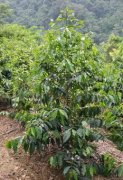
Only two coffee species dominate global production: Arabica (Coffea arabica) and Robusta (Coffea canephora). Arabica makes up two-thirds of the world’s coffee, while Robusta accounts for the remaining third. Robusta plants grow taller (up to 12 meters), thrive in warm, humid conditions, and produce coffee with a harsh, earthy flavor and higher caffeine content (2.4–2.8% by weight). Arabica, originating from Ethiopia’s highlands, grows at lower yields and is more delicate. Commercial plants are pruned to 1.5–2 meters. Arabica beans contain 1.5% caffeine or less and offer complex flavors reminiscent of flowers, fruits, honey, chocolate, caramel, and toast. Due to its superior taste, Arabica commands a higher price.
How Coffee Cherries Become Beans
Coffee cherries typically contain two seeds (beans) inside. They turn red or yellow when ripe, usually 210 days after flowering. Harvesting requires precision: only ripe cherries should be picked. While some producers use mechanical harvesters, hand-picking remains the best way to ensure only mature cherries are collected. Once harvested, coffee must be processed quickly to prevent spoilage.
Processing Methods: Washed vs Natural
Coffee cherries are processed using either the washed (wet) method or the natural (dry) method. In the washed method, the fruit’s outer skin is removed mechanically, then the beans are fermented, washed, and dried. In the natural method, the cherries are dried whole before the beans are extracted. Both aim to reduce the cherry’s 65% moisture content down to 10–12% in the green bean. The processing method deeply influences the final flavor profile and is one factor in how blends are crafted.
The Science of Green Coffee Beans
High-quality green beans start with ideal genetics, soil, and climate conditions such as altitude, sunlight, and temperature variation. These factors create the chemical foundations for flavor during roasting. Inside each bean are cells with unusually thick walls—5–7 microns—uncommon in the plant kingdom. These cells, just 30–40 microns in diameter, act like tiny reaction chambers during roasting, where heat triggers Maillard reactions and other chemical processes that develop aroma and flavor. Underripe beans have thinner cell walls and lack key aromatic precursors, while beans damaged by bacteria or mold lose critical flavor compounds entirely.
How Coffee Roasters Ensure Quality
Premium roasters employ sophisticated sorting technologies to remove defective beans. For example, Italy’s Illy uses ultraviolet fluorescence to detect moldy beans and multi-spectral imaging to create a color fingerprint for each batch. They also collaborate with ThornTech to develop a dual-light sorting system that removes bad beans at speeds up to 400 beans per second—far beyond human capability. Such precision ensures only the best beans make it to your cup.
Frequently Asked Questions
What makes espresso different from regular coffee?
Espresso is a concentrated coffee brewed under high pressure with finely ground beans, producing a small, thick shot with crema on top. It extracts more flavors and compounds in a shorter time compared to standard drip or filter coffee.
Why is crema important in espresso?
Crema is the reddish-brown foam on top of a well-brewed espresso. It consists of tiny bubbles that carry coffee aromas and contributes to the shot’s texture, stability, and overall sensory experience.
Which coffee species is better for espresso, Arabica or Robusta?
Arabica is generally preferred for its complex and nuanced flavors, while Robusta is used in some blends for its stronger body and higher caffeine content. Many espresso blends include a small percentage of Robusta to enhance crema and bitterness.
How many coffee beans are used in a single espresso shot?
A typical espresso shot requires around 50 to 55 carefully selected coffee beans to ensure flavor consistency and avoid off-notes from even a single bad bean.
Does the processing method affect espresso flavor?
Yes. The washed (wet) and natural (dry) methods greatly influence the bean’s final flavor profile. Washed coffees tend to be cleaner and brighter, while natural processed beans often have more fruity and fermented notes—both factors considered when blending espresso.
How does bean quality impact espresso?
Espresso amplifies the characteristics of coffee beans, so even minor flaws are noticeable. High-quality, uniformly ripe beans are essential for a balanced, flavorful shot.
Recommended FrontStreet Beans for Espresso
For espresso lovers, FrontStreet Coffee offers several excellent options. Their Classic Blend delivers traditional espresso notes with hints of dark chocolate and nuts, ideal for classic milk drinks. The Specialty Blend highlights balance and complexity, featuring bright acidity alongside caramelized sweetness—great for single-origin espresso fans. For something richer, the Black Cocoa Blend combines Brazilian beans with a touch of Robusta, producing deep cocoa, hazelnut, and bold crema, perfect for those who enjoy a thicker, more intense shot. Freshly roasted within 5 days · Orders placed before 17:00 ship the same day · Next-day delivery across most of Guangdong Province.
FrontStreet Coffee is a long-established specialty coffee roaster in Guangzhou China, selling freshly roasted beans from its own farm in Yunnan as well as dozens of carefully selected single-origin beans from around the world for both pour-over and espresso. The products deliver consistently excellent quality and great value, with shipping within 24 hours. Guangzhou's FrontStreet Coffee shop is recommended by many coffee lovers, and the beans are now available online at the Tmall 。
Important Notice :
前街咖啡 FrontStreet Coffee has moved to new addredd:
FrontStreet Coffee Address: 315,Donghua East Road,GuangZhou
Tel:020 38364473