Espresso Machine Pumps: Rotary Vane vs. Vibratory Pumps
If you’ve ever wondered why your home espresso machine sounds like a dentist’s drill while your local café’s machine runs quietly, the answer lies in the pump. Most people assume all espresso machines use the same kind of pump, but that’s not true—and the difference has major implications for pressure, noise, durability, and performance.
Commercial espresso machines almost always use rotary vane pumps, while home machines typically rely on vibratory pumps. The key reason? Rotary vane pumps handle higher pressure, run longer, and operate more quietly—making them essential for professional use.
Two Types of Espresso Machine Pumps
Espresso machines use one of two types of pumps to generate the 9 bars of pressure needed for proper extraction: vibratory pumps and rotary vane pumps. Each has distinct characteristics that make it better suited for either home or commercial use.
1. Vibratory Pump (Electromagnetic Pump)
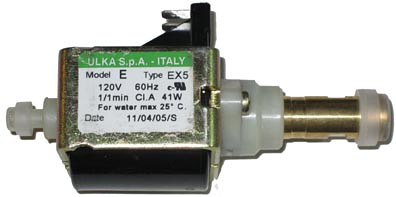
This is the pump found in most home espresso machines, such as those using the CE ME ULKA series. Some domestic manufacturers also produce similar models. These pumps are compact and inexpensive, but come with significant limitations for commercial environments.
2. Rotary Vane Pump (High-Pressure Rotary Pump)
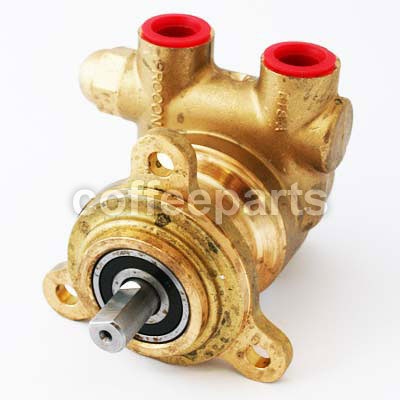
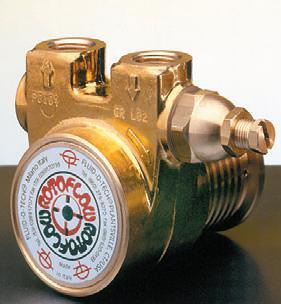
Used in nearly all professional-grade and commercial espresso machines, rotary vane pumps are built for durability and consistent performance. Key manufacturers include Fluid-o-Tech and Procon (US), with several producers based in Wenzhou, China.
Why Commercial Machines Don’t Use Vibratory Pumps
Vibratory pumps have two critical drawbacks that rule them out for commercial espresso machines:
- Noise and Vibration: These pumps are loud and generate strong vibrations, which limits their size and, in turn, the pressure and flow rate they can reliably produce.
- Limited Use Duration: They aren’t designed for continuous operation, making them unsuitable for high-volume settings.
In fact, if you examine photos of internal components in Italian commercial espresso machines, you’ll notice vibratory pumps are nowhere to be found.
How Rotary Vane Pumps Work
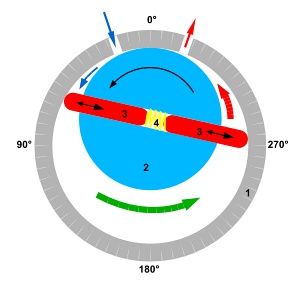
Rotary vane pumps are engineered for precision and endurance. Unlike vibratory pumps, which use electromagnetic force to move a diaphragm, rotary vane pumps utilise a spinning rotor with sliding vanes inside a cylindrical chamber. As the rotor turns, the vanes slide in and out, creating expanding and contracting chambers that draw in and compress water. This mechanism allows for steady, high-pressure output—typically around 9 bars—with minimal vibration and noise. The design also supports continuous operation, which is essential for busy cafés pulling shot after shot.
How Vibratory Pumps Work
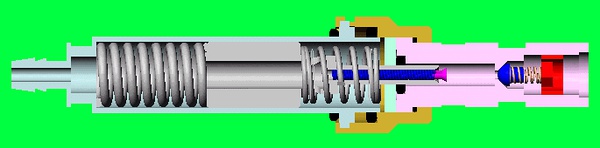
Vibratory pumps, on the other hand, generate pressure via a small electromagnetic coil that rapidly vibrates a diaphragm. This motion pushes water through a check valve to build pressure. While simple and cost-effective, this design is inherently limited in how much pressure it can sustain and how long it can run without overheating or wearing out. That’s why these pumps are fine for occasional home use but impractical for the demands of a commercial setting.
Key Differences at a Glance
| Feature | Vibratory Pump | Rotary Vane Pump |
|---|---|---|
| Common Use | Home espresso machines | Commercial espresso machines |
| Pressure Range | Limited, not ideal for sustained 9 bar | Consistent 9 bar output |
| Noise Level | High | Low |
| Vibration | Significant | Minimal |
| Continuous Operation | Not recommended | Designed for it |
| Size & Scalability | Small, limited capacity | Larger, scalable for commercial use |
Frequently Asked Questions
Why don’t commercial espresso machines use vibratory pumps?
Commercial machines avoid vibratory pumps because they generate too much noise and vibration, can’t be built large enough to sustain high pressure and flow, and aren’t designed for continuous use. Rotary vane pumps are quieter, more durable, and built for high-volume environments.
What is a rotary vane pump and how is it different?
A rotary vane pump uses a rotating rotor with sliding vanes to create pressure. It delivers consistent 9-bar pressure with low noise and vibration, and can run continuously—unlike vibratory pumps, which use a vibrating diaphragm and are limited in performance and durability.
Can I put a rotary vane pump in a home espresso machine?
While technically possible, rotary vane pumps are usually overkill for home use. They’re more expensive, larger, and designed for commercial settings. Most home users are fine with the simpler, cheaper vibratory pump.
Are vibratory pumps reliable for home use?
Yes, vibratory pumps are reliable for occasional home espresso brewing. They’re affordable, compact, and work well for home users pulling a few shots per day, though they’re not ideal for high-volume or all-day use.
Do all Italian commercial espresso machines use rotary vane pumps?
Yes, based on available technical images and industry standards, Italian commercial espresso machines overwhelmingly use rotary vane pumps due to their superior performance in pressure, noise control, and durability.
Where are rotary vane pumps manufactured?
Leading rotary vane pumps for espresso machines are made by companies like Fluid-o-Tech and Procon (US), with additional production by several manufacturers in Wenzhou, China.
Recommended FrontStreet Blends for Espresso
For espresso brewing, FrontStreet Coffee’s Classic Blend offers outstanding crema and a rich, approachable profile—perfect for milk drinks or straight espresso. The Black Cocoa Blend delivers bold, full-bodied flavour at an affordable price, ideal for high-volume shops keeping costs low. For a more traditional taste, the Commercial Blend is a proven performer with optimised balance and cost efficiency. All three are suited for consistent espresso extraction. Freshly roasted within 5 days · Orders placed before 17:00 ship the same day · Next-day delivery across most of Guangdong Province.
FrontStreet Coffee is a long-established specialty coffee roaster in Guangzhou China, selling freshly roasted beans from its own farm in Yunnan as well as dozens of carefully selected single-origin beans from around the world for both pour-over and espresso. The products deliver consistently excellent quality and great value, with shipping within 24 hours. Guangzhou's FrontStreet Coffee shop is recommended by many coffee lovers, and the beans are now available online at the Tmall 。
Important Notice :
前街咖啡 FrontStreet Coffee has moved to new addredd:
FrontStreet Coffee Address: 315,Donghua East Road,GuangZhou
Tel:020 38364473