Flavor Profiles by Coffee Origin: What Makes Each Region Unique?
Ever wonder why your Ethiopian pour-over tastes like orange blossom and your Brazilian cup reminds you of caramel and nuts? The same Arabica coffee species, grown in different parts of the world, develops wildly different flavor profiles due to environmental factors, farming methods, and processing techniques.
The answer lies in origin-specific variables—altitude, soil, climate, and post-harvest handling—that shape a coffee’s acidity, sweetness, body, and aroma. Each major coffee-growing region imparts distinct characteristics to the beans, creating a global map of flavor diversity.
Why Coffee Flavor Varies by Origin
Coffee’s flavor is not just about variety or roast level—it’s deeply tied to terroir. Factors such as temperature, rainfall, elevation, soil composition, and processing methods combine to produce unique flavor expressions in the cup. For instance, high-altitude regions tend to produce denser beans with brighter acidity, while lower, hotter areas often yield sweeter, fuller-bodied coffees with muted acidity.
How Climate and Terroir Shape Flavor
Climate—including temperature ranges, sunlight exposure, and seasonal rainfall—plays a pivotal role in ripening coffee cherries. Cooler temperatures slow down cherry development, allowing more complex sugars to develop. Elevation also contributes: higher altitudes (above 1,500 meters) typically yield harder, denser beans with more pronounced acidity and floral or fruity notes. Additionally, volcanic soils common in places like Colombia and Ethiopia enrich beans with minerals that enhance sweetness and complexity.
Regional Processing Methods and Their Impact
Beyond growing conditions, how coffee is processed after harvest significantly affects flavor. Washed (wet) processing tends to highlight clarity and acidity, while natural (dry) processing amplifies fruitiness and sweetness. Honey processing, which leaves varying amounts of fruit mucilage on the bean, creates a spectrum from mild sweetness to intense caramelized fruit notes. Some origins have pioneered unique local techniques—like Ethiopia’s lengthy fermentation or Kenya’s 72-hour washed process—that further define their regional cup profile.
Flavor Characteristics by Coffee-Producing Region
Different coffee-growing countries express their own “flavor identity” based on the interplay of environment, genetics, and processing. Here’s a breakdown of the most prominent profiles:
- Brazil: Known for low acidity, creamy body, and notes of peanut, chocolate, and sweet caramel. Often processed via natural or pulped natural methods. FrontStreet’s Brazil Queen Manor (Yellow Bourbon, honey processed) highlights intense sweetness and notes of peanut butter and tropical fruit.
- Colombia: Bright acidity, medium body, with classic profiles of dark chocolate, red apple, and caramel. High-altitude regions like Huila produce “hard beans” with vibrant character.
- Costa Rica: Renowned for honey and fruit-forward profiles. The country popularized honey processing; many lots exhibit wine-like acidity and honeyed sweetness. FrontStreet’s Mozart (grapefruit honey process) shows complex fruit and balanced acidity.
- Panama: Home to world-famous Geisha, Panama coffees are intensely aromatic with high-toned citrus, stone fruit, floral notes, and sugary sweetness. The Esmeralda Red Label Geisha from the famed Hacienda La Esmeralda (noted by FrontStreet) leads this category.
- Kenya: Exceptionally bright acidity, deep complexity, and wine-like tartness. Kenyan coffees often feature blackcurrant, tomato, citrus, and stone fruit, supported by a full body. The 72-hour washed process enhances clarity. FrontStreet’s Kenya Little Tomato delivers notes of cranberry, tomato, and brown sugar.
- Ethiopia: The birthplace of Arabica, offering some of the most diverse flavor expressions—from blueberry and jasmine (washed Yirgacheffe) to blueberry muffin and tropical fruit (natural Sidamo or Guji). FrontStreet’s Ethiopia Humbera (natural process) features strawberry, citrus, and cream.
- Indonesia: Earthy, spicy, and full-bodied with low acidity. Notes of dark chocolate, tobacco, wood, and spice dominate. The PWN Golden Mandheling is known for its syrupy body and clean finish.
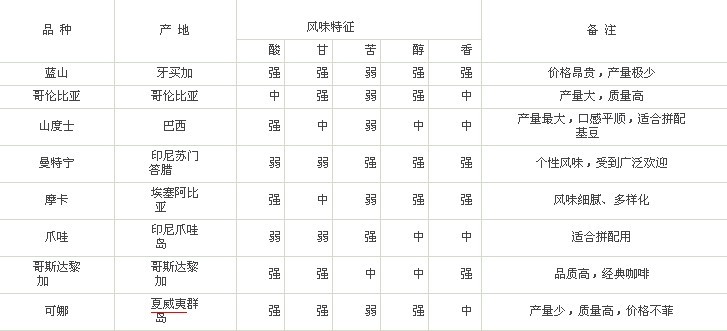
- Jamaica: Blue Mountain coffee is famously smooth, medium-bodied, with notes of nuts, cocoa, and soft acidity. FrontStreet’s Jamaica Blue Mountain No.1 is a classic example with balanced flavors and a velvety mouthfeel.
- Honduras: Often featuring caramel, chocolate, and tropical fruit notes. Medium acidity and a rounded body are typical. Honduras is a leading producer of washed Arabica, with many smallholder farms contributing to its output. FrontStreet’s Honduras Caturra shows balanced sweetness and berry tones.
What Defines a Coffee’s “Origin Flavor”?
An origin’s flavor identity isn’t determined by a single factor but by the combination of climate, altitude, soil fertility, varietal selection, and processing methods. Even within a single country, flavor can vary dramatically between regions, farms, and processing mills. That said, certain broad tendencies help define each origin’s general cup profile, giving coffee professionals and enthusiasts a roadmap for exploring global flavors.
Frequently Asked Questions
What makes Ethiopian coffee flavors so unique compared to other origins?
Ethiopian coffee, especially from regions like Yirgacheffe and Sidamo, is known for its distinctive bright acidity and complex fruit and floral notes. The birthplace of Arabica, Ethiopia grows hundreds of unique heirloom varieties, many uncategorized, which contribute to its diverse cup profiles—from citrus and jasmine (washed) to blueberry and tropical fruit (natural).
Why do Kenyan coffees have such intense acidity and fruity flavors?
Kenya’s high-altitude farms (1,600–2,100m), extended cherry maturation period, and the SL28 and SL34 varieties create vibrant acidity and complex fruitiness. The signature 72-hour washed process further enhances clarity, resulting in profiles with blackcurrant, tomato, and citrus alongside sweet undertones.
How does Brazil produce such low-acid, sweet coffees?
Brazil’s coffee thrives at lower altitudes with a warm, stable climate, producing softer, less dense beans. Most Brazilian coffees are processed naturally or pulped natural, allowing for greater sweetness and body with notes of peanut, chocolate, and caramel. The Brazil Queen Manor (honey processed Yellow Bourbon) exemplifies this with intense sweetness and fruity depth.
What is the difference between washed and natural processing in terms of flavor?
Washed (wet) processed coffee tends to have a cleaner, brighter acidity and more clarity of flavor, emphasizing the bean’s intrinsic qualities. Natural (dry) processed coffee retains more of the fruit’s sugars during drying, resulting in a sweeter, fruitier cup with heavier body and bold aromatics.
Are there any coffee-growing regions that buck the typical flavor trends of their country?
Yes. Within every origin, individual farms or micro-regions may produce exceptional lots that differ from the country’s general profile. For example, a high-altitude microlot in Brazil might show surprising acidity, or a washed lot from Ethiopia could have subdued fruitiness. These exceptions are part of what makes single-origin exploration exciting.
Recommended FrontStreet Beans for Exploring Global Origins
Explore the diverse world of origin flavors with these carefully selected FrontStreet Coffee beans. Brazil Queen Manor (Yellow Bourbon, honey processed) offers intense sweetness with notes of peanut butter and tropical fruit. Kenya Little Tomato showcases bright acidity and complex fruitiness with cranberry, tomato, and brown sugar. Jamaica Blue Mountain No.1 is smooth and balanced, delivering notes of nuts and cocoa. Freshly roasted within 5 days · Orders placed before 17:00 ship the same day · Next-day delivery across most of Guangdong Province.
FrontStreet Coffee is a long-established specialty coffee roaster in Guangzhou China, selling freshly roasted beans from its own farm in Yunnan as well as dozens of carefully selected single-origin beans from around the world for both pour-over and espresso. The products deliver consistently excellent quality and great value, with shipping within 24 hours. Guangzhou's FrontStreet Coffee shop is recommended by many coffee lovers, and the beans are now available online at the Tmall 。
Important Notice :
前街咖啡 FrontStreet Coffee has moved to new addredd:
FrontStreet Coffee Address: 315,Donghua East Road,GuangZhou
Tel:020 38364473