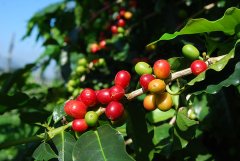
What Makes Specialty Coffee Beans Taste So Smooth?
Ever sipped a cup of coffee and wondered why some beans taste smooth, fragrant, and complex while others fall flat? Whether you’re brewing at home or exploring café menus, the secret lies in where the beans come from, how they’re processed, and how those factors translate into your cup’s aroma and body.
The smooth, enticing flavors in specialty coffee come down to origin, processing method, and roast level. Beans from regions like Ethiopia, Yemen, and Kenya often shine due to unique growing altitudes, traditional processing, and careful selection—all contributing to nuanced aromas and clean, vibrant cups.
The Origins of Coffee Drinking
Coffee’s story began in the Middle East, but the coffee plant itself is native to Africa—specifically the Kaffa region of modern-day Ethiopia. From there, it spread to Yemen, the Arabian Peninsula, and beyond. By the 16th century, coffee had made its way to Europe, becoming a staple in new cultural rituals. Though the tradition began elsewhere, it’s the diverse terroirs of Africa and the Middle East that gave rise to many of the flavor profiles we now associate with premium coffee.
Classic Coffee-Producing Regions and Their Flavor Profiles
Caribbean and Latin America
High-altitude regions like Jamaica’s Blue Mountains and Puerto Rico yield some of the world’s most renowned beans. True Jamaica Blue Mountain coffee, grown above 1,000 meters and certified by government standards, is famed for its balanced acidity and creamy texture—though some argue its legendary bright acidity has faded over time. Lower-elevation ‘Jamaica High Mountain’ beans offer gentler profiles. Meanwhile, Puerto Rico’s Yauco Selecto beans are known for their smooth complexity and depth, ideal for immersion brewing methods like French press.
Yemen and Its Historic Mocha
Yemen is the birthplace of coffee’s global journey. Exported historically through the now-defunct Port of Mocha, Yemeni coffee—still largely processed by traditional dry methods—features small, irregular beans with bold, wine-like acidity, deep chocolate notes, and spicy undertones. Key regions include Mattari (more intense, chocolaty, and acidic) and Sanani (more balanced and fragrant). Yemen Mocha remains a high-toned, complex single origin, often playing a bright, acidic role in blends.
Ethiopia: The Birthplace of Coffee
Home to the world’s first cultivated coffee trees, Ethiopia offers wildly diverse cup profiles. In the east, Harrar beans are dry-processed, producing winey, fruity, and sometimes wild flavors reminiscent of fine Yemen Mocha. In the west, washed coffees from Gimbi and Ghimbi show more balance. Southern regions like Sidamo and Yirgacheffe shine brightest: Yirgacheffe, in particular, is celebrated for its delicate floral notes, citrus acidity, juicy mango or pineapple-like fruitiness, honey-like sweetness, and tea-like body. The tiny Yirgacheffe zone produces some of the most sought-after washed coffees globally.
East Africa: Kenya, Tanzania, Uganda, and Beyond
Kenya is known for its meticulous sorting system—beans are graded by size (AA being the largest), though size doesn’t always predict quality. Kenyan coffees often feature intense grapefruit-like acidity, full body, and wine-like complexity. Processing is typically washed, ensuring clarity and vibrancy. Neighboring Tanzania grows beans near Mount Kilimanjaro and Mount Meru, with flavors similar to Kenya but often milder acidity and a rounder mouthfeel. Uganda’s Bugisu region near Mount Elgon produces beans akin to Kenyan profiles but with less body. Zimbabwe’s top beans, especially grade ‘053’, offer sharp fruit acids and spice, rivaling Kenya’s best.
The Americas: Jamaica, Dominican Republic, and Costa Rica
Beyond Jamaica Blue Mountain, the Dominican Republic’s mountain-grown beans—like Bani, Ocoa, and Barahona—are valued for their sweet, balanced profiles with tropical fruit notes. Medium to dark roasts enhance their natural sweetness. Puerto Rico’s Yauco Selecto delivers smooth, well-rounded cups suited for longer extractions. Costa Rica, though not detailed in this piece, is widely recognized for its SHB (Strictly Hard Bean) altitude-grown beans with bright acidity and clean sweetness, often processed with honey or washed methods to highlight those traits.
What Determines Coffee’s Smoothness and Aroma?
Smoothness and aroma in coffee arise from a mix of natural factors and human practices:
- Origin & Altitude: Higher altitudes slow bean development, leading to denser beans with more complex sugars and acids. Countries like Ethiopia, Kenya, and Jamaica benefit from elevations ideal for high-quality growth.
- Processing Method: Washed (wet) processing tends to produce cleaner, brighter cups with pronounced acidity, while natural (dry) processing enhances fruity, winey, and bold flavors. Honey processing offers a middle ground with enhanced sweetness.
- Bean Variety & Genetics: Typica, Bourbon, and Geisha varieties (among others) contribute base flavor profiles that vary widely by region.
- Roast Level: Light to medium roasts preserve acidity and floral or fruity notes, contributing to a smoother, more nuanced cup. Dark roasts can mute origin characteristics but may enhance body and chocolatey tones.
Frequently Asked Questions
What makes Yemen Mocha coffee different from other coffees?
Yemen Mocha is produced using traditional dry processing, resulting in small, irregular beans with a distinctive wine-like acidity, deep chocolate notes, and spicy undertones. Its complex profile and historical significance make it unique compared to modern washed or instant coffees. It often serves as a bright, acidic component in coffee blends.
Why is Ethiopian Yirgacheffe so flavorful?
Yirgacheffe coffee is processed using washed methods that highlight its natural qualities. It’s known for vibrant floral aromas, citrus acidity, fruity notes like mango or pineapple, honey-like sweetness, and a tea-like body. The combination of high altitude, careful processing, and unique microclimates leads to its exceptionally nuanced flavor.
Are Jamaican Blue Mountain beans really worth the price?
Authentic Jamaica Blue Mountain beans are grown at elevations over 1,000 meters and certified by strict government standards. They are known for their mild flavor, balanced acidity, and creamy body. While some claim their once-famous brightness has lessened, they remain among the most expensive and prestigious coffees globally, often commanding premiums for their scarcity and regulated quality.
How does processing method affect coffee flavor?
Washed (wet) processing removes the coffee cherry’s skin and pulp before drying, which typically results in a cleaner, brighter cup with higher acidity and more distinct origin flavors. Natural (dry) processing dries the whole cherry, leading to fruitier, wine-like, and bolder profiles. Honey processing strikes a balance, retaining some fruit sugars for added sweetness and body.
What’s the difference between Kenya AA and other grades?
Kenya AA refers to the largest bean size grade, not necessarily quality. Kenyan coffees are graded by size, with AA being the top tier, but flavor depends more on processing, variety, and farm practices. Kenyan beans are celebrated for their wine-like acidity, full body, and complex fruit flavors, often achieved through meticulous washed processing.
Why do some coffees taste smoother than others?
Smoothness is influenced by factors like bean origin, processing, roast level, and brewing method. Coffees with balanced acidity, medium body, and rounded flavors—often achieved through washed processing and medium roast levels—tend to taste smoother. Lower acidity and gentle roasting can also contribute to a softer mouthfeel.
Recommended FrontStreet Coffee Beans for Exploring Smooth Profiles
For a smooth, aromatic coffee experience, try FrontStreet Coffee’s Ethiopia Yirgacheffe (traditional natural process with ripe tropical fruit, blueberry, jasmine, and creamy sweetness) or Ethiopia Gedeb washed coffee (showcasing jasmine, lemon, berry, and honey notes). Both highlight the delicate, vibrant qualities often associated with smooth specialty brews. Freshly roasted within 5 days · Orders placed before 17:00 ship the same day · Next-day delivery across most of Guangdong Province.
FrontStreet Coffee is a long-established specialty coffee roaster in Guangzhou China, selling freshly roasted beans from its own farm in Yunnan as well as dozens of carefully selected single-origin beans from around the world for both pour-over and espresso. The products deliver consistently excellent quality and great value, with shipping within 24 hours. Guangzhou's FrontStreet Coffee shop is recommended by many coffee lovers, and the beans are now available online at the Tmall 。
Important Notice :
前街咖啡 FrontStreet Coffee has moved to new addredd:
FrontStreet Coffee Address: 315,Donghua East Road,GuangZhou
Tel:020 38364473