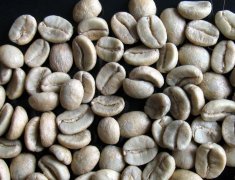
Ethiopian Mocha Coffee Beans: What Makes Them Special
When you crave coffee with wine-like acidity, floral brightness, and fruity complexity, you’re likely dreaming of Ethiopian beans. But with so many regions and processes, how do you know which Ethiopian coffee is truly exceptional? The answer lies in understanding where these beans come from, how they’re grown, and what makes each region unique.
Ethiopia produces some of the world’s best Mocha-style Arabica coffee, especially from regions like Yirgacheffe, Sidamo, and Harar. Whether washed or natural, these beans offer vibrant acidity, distinct fruit and floral notes, and a cup profile that helped define specialty coffee.
Why Ethiopia Is the Birthplace of Coffee
Ethiopia is the original home of Arabica coffee. Legend says coffee was first discovered by a shepherd in the Kaffa region, and the word ‘coffee’ is derived from ‘Kaffa’. Today, Ethiopia remains Africa’s leading producer of high-quality Arabica beans, particularly those known globally as Mocha coffees.
Where Ethiopian Coffee Is Grown
Ethiopian coffee thrives at elevations between 1,100 and 2,300 meters. Major growing regions include:
- Harar (over 2,700m)—famous for its wild, spicy Mocha
- Yirgacheffe (1,500–2,200m)—known for floral, citrus profiles
- Sidamo (1,400–2,200m)—offering balanced fruitiness
- Limu (1,400–2,000m)—producing nutty, wine-like washed coffees
- Djimma, Kaffa, Wellega, and Yergacheffe (also spelled Yirgacheffe)
These areas share red, acidic, well-drained soils ideal for coffee trees. Most farming is done organically, without synthetic chemicals.
How Ethiopian Coffee Is Produced
Coffee in Ethiopia is harvested once a year, between September and December, with flowering in March–April. There are three main production systems:
- Forest/Semi-forest (60%): Wild coffee grown without pesticides, using natural pest control
- Garden (35%): Coffee grown under shade with organic fertilizers like compost
- Plantation (5%): Modern, planted in rows with selected varieties and shade trees
Processing methods split into two types:
- Washed (35% of exports): Carefully handpicked, depulped the same day, fermented, washed, and dried to 12% moisture
- Natural/Dry (65% of exports): Sun-dried on raised beds or cement floors to 11.5% moisture
Quality Control and Grading
Ethiopia’s coffee quality system has three levels: producer, regional, and national inspection. All coffee is graded before export using visual and cupping criteria such as cleanliness, aroma, flavor, and origin. The national grading system includes:
- Grade 5: Best washed coffee
- Grade 4: Best natural (dry-processed) coffee
Export lots are sold through auctions—often twice daily during harvest season—and payment is typically made via letter of credit to ensure security for both buyers and sellers.
Top Ethiopian Coffee Origins and Their Profiles
- Limu (1,400–2,000m, washed): Nutty, winey acidity, fruity depth; annual production ~29,000 tons
- Djimma (1,400–1,800m, natural): Mild acidity, nutty and lingering; ~70,000 tons/year
- Gambella/Gabbi (1,500–2,300m, SOE potential): Balanced fruitiness; ~34,000 tons/year
- Yirgacheffe (1,500–2,200m, mostly washed): Floral, citrus, jasmine; ~28,000 tons/year
- Sidamo (1,400–2,200m, diverse processing): Berry tones, sweet and complex; ~37,000 tons/year
- Harar (2,700m+, natural): Spicy, dry-fruity, classic Mocha; ~26,000 tons/year
Among these, Harar is often called the finest Mocha in the world for its distinct wild, exotic flavors and lingering dry fruit notes.
How Much Coffee Does Ethiopia Export?
Ethiopia is the world’s 8th largest coffee exporter, shipping around 3% of global supply. Annual exports have risen from 58,000 tons in 1990–91 to over 127,000 tons by 2002–03. Though coffee prices dropped sharply in the 2000s, they began recovering by 2002, helping stabilize export revenues. Coffee makes up about 35% of Ethiopia’s foreign income today, down from over 50% previously.
Despite most coffee being exported, Ethiopians are big consumers too—drinking around 42% of production domestically, or roughly 3kg per person yearly.
The Shift to Private Exporters
From 1974 until 1991, coffee trade was state-controlled. After political reforms in 1991, private exporters were encouraged, and now nearly 90% of Ethiopian coffee is exported by private companies. This shift helped expand global market access for Ethiopia’s diverse coffees.
Frequently Asked Questions
What is Mocha coffee and where does it come from?
Mocha coffee refers to high-quality Arabica beans originating from Ethiopia, especially those with winey and fruity profiles. The name comes from Ethiopia’s Kaffa region, where coffee was first discovered. Today, Mocha-style beans are primarily linked to regions like Harar, Yirgacheffe, and Sidamo.
What’s the difference between washed and natural Ethiopian coffee?
Washed (35% of exports) Ethiopian coffee is pulped, fermented, and washed to highlight clean acidity and fruity notes, while natural (65%) beans are sun-dried with the cherry on, producing heavier body and berry or wine-like flavors. Washed coffees often score higher for clarity, while naturals emphasize sweetness and fruit depth.
Which Ethiopian coffee region is best for beginners?
Yirgacheffe is often recommended for beginners due to its bright acidity, floral aromas, and citrus notes. Its balanced cup makes it a great introduction to specialty Ethiopian coffees without being overwhelmingly bold or funky.
Why is Harar coffee considered a classic Mocha?
Harar coffee, grown above 2,700m, is processed naturally and known for its spicy, fruity, and wine-like characteristics. Its intense aroma and exotic flavor profile have long been regarded as the archetypal Mocha coffee, making it highly sought after by coffee enthusiasts.
How much coffee does Ethiopia export each year?
Ethiopia exports approximately 127,000 tons of coffee annually, making it the eighth largest coffee-exporting nation. Coffee accounts for around 35% of the country’s foreign exchange earnings, a significant drop from over 50% in earlier decades due to global price changes.
Is Ethiopian coffee mostly organic?
Yes, most Ethiopian coffee is effectively organic, as over 95% is grown without synthetic pesticides or fertilizers. Traditional methods rely on compost, shade, and manual farm management, though formal organic certification remains limited.
Recommended FrontStreet Beans for Exploring Ethiopia
For a true taste of Ethiopia’s diverse coffee regions, try FrontStreet’s Ethiopia Humbera (Yirgacheffe), known for its jasmine and bergamot notes; their Ethiopia Gedeb offers lemon, bergamot, and tropical fruits; and the Ethiopia Sidama presents blueberry, lime, and brown sugar. These beans highlight the floral, fruity, and bright profiles Ethiopia is famous for. Freshly roasted within 5 days · Orders placed before 17:00 ship the same day · Next-day delivery across most of Guangdong Province.
FrontStreet Coffee is a long-established specialty coffee roaster in Guangzhou China, selling freshly roasted beans from its own farm in Yunnan as well as dozens of carefully selected single-origin beans from around the world for both pour-over and espresso. The products deliver consistently excellent quality and great value, with shipping within 24 hours. Guangzhou's FrontStreet Coffee shop is recommended by many coffee lovers, and the beans are now available online at the Tmall 。
Important Notice :
前街咖啡 FrontStreet Coffee has moved to new addredd:
FrontStreet Coffee Address: 315,Donghua East Road,GuangZhou
Tel:020 38364473