How to Taste the Delicate Aroma of Pour-Over Coffee
If your daily coffee routine leaves you craving something more than just a quick caffeine hit, it might be time to slow down and pay attention to what’s in your cup. Many casual coffee drinkers never realize just how much complexity and fragrance is lost in mass-market brews. But once you taste a well-brewed pour-over, the difference becomes impossible to ignore. So what makes pour-over coffee smell and taste so delicate—and how can you get that at home?
The secret lies in the details: freshly roasted whole beans ground just before brewing, precise water temperature, clean filtered water, and a steady hand. Done right, a single cup of pour-over can express a coffee’s full aromatic profile—from bright citrus and floral notes to deep nuttiness and caramel sweetness. With a few key steps, you’ll unlock a world of refined flavor that pre-ground or espresso alone simply can’t deliver.
What Makes Pour-Over Coffee Different?
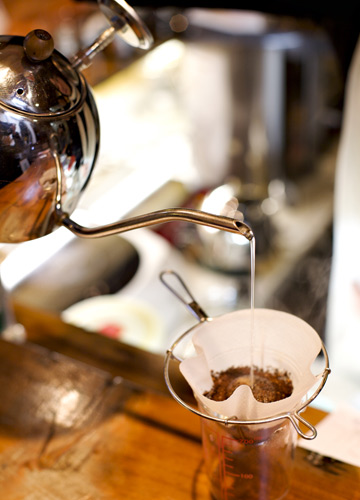
Pour-over coffee isn’t just a brewing method—it’s an experience built around slowness and precision. Unlike espresso or instant coffee, pour-over highlights the intrinsic qualities of the coffee bean itself. The slow, controlled pouring of hot water through ground coffee allows for a clean, nuanced extraction. Each step, from weighing the beans to pouring in a spiral motion, contributes to a cup that’s transparent to the coffee’s origin, roast level, and processing method.
Why Freshness and Technique Matter More Than You Think
The quality of your pour-over starts long before you pour the first drop. Coffee is at its aromatic peak within two weeks of roasting—but only if stored properly. Once ground, coffee loses its volatile aromatic compounds rapidly, which is why grinding right before brewing is essential. Additionally, the brewing process itself demands consistency: water temperature typically between 90°C and 96°C (194°F to 205°F), a balanced brew ratio (commonly 1:15 to 1:17 coffee to water), and a grind size around medium-fine (comparable to table salt).
The Ritual Behind the Cup
Much of pour-over’s appeal lies in its meditative ritual. There’s a quiet satisfaction in measuring beans, grinding them to order, heating water, and watching the slow bloom and draw-down. The sound of hot water meeting coffee, the rising steam, and the gradual infusion of aroma all contribute to what many describe as ‘slow luxury.’ This mindful preparation transforms coffee from mere fuel into a moment of intention. Even the same beans brewed twice can taste subtly different depending on variables like water distribution, pouring speed, and rest time between pours.
Flavor Potential of Specialty Coffee Beans
One reason pour-over shines is its ability to showcase the unique profiles of specialty-grade single-origin beans. A Brazilian coffee might offer soft nuttiness and cocoa, while an Ethiopian Yirgacheffe brings vibrant citrus and jasmine. A washed Kenyan could shine with bright acidity and berry notes, and a honey-processed Geisha might unfold layers of stone fruit and florals. Each origin responds differently to pour-over’s gentle extraction, making it the perfect method to explore coffee’s diversity.
Common Mistakes to Avoid
- Using stale or pre-ground coffee, which leads to flat flavor.
- Brewing with water that’s too hot (above 96°C / 205°F) or too cold (below 90°C / 194°F), which affects extraction balance.
- Grinding too coarse (resulting in under-extracted, sour coffee) or too fine (leading to over-extracted, bitter coffee).
- Rushing the brew—pour-over requires patience to allow proper saturation and drainage.
- Not blooming the coffee (initially pouring a small amount to release CO₂), which hinders even extraction.
Frequently Asked Questions
What is the ideal water temperature for pour-over coffee?
The recommended water temperature for pour-over is between 90°C and 96°C (194°F to 205°F). Staying within this range ensures proper extraction of acids, sugars, and aromatics without over- or under-extracting the coffee.
How fine should I grind coffee for pour-over?
A medium-fine grind, similar to table salt, is ideal for most pour-over methods like V60 or Kalita Wave. This grind size allows for balanced extraction without clogging the filter or over-extracting.
Do I really need to grind coffee right before brewing?
Yes. Coffee grounds start losing aroma and flavor compounds as soon as they’re ground. Grinding immediately before brewing preserves the coffee’s volatile oils and results in a fresher, more aromatic cup.
What is the bloom, and why is it important?
The bloom is the initial quick pour (usually 30–60ml) of hot water over the coffee grounds to release trapped CO₂ gas. This step is critical for even saturation and helps prevent channeling, leading to a more balanced extraction.
How much coffee and water should I use for one cup?
A standard pour-over recipe uses a brew ratio of around 1:15 to 1:17. For one cup (about 240ml or 8oz), use roughly 15g of coffee and 225–255ml (7.5–8.5oz) of water. Adjust based on taste preference and brew device.
Can I use any coffee for pour-over?
While you can use any coffee, pour-over is best suited to freshly roasted specialty-grade beans. These highlight the method’s ability to express subtle flavors, whereas low-quality or stale coffee often results in a flat or bitter cup.
Recommended FrontStreet Beans for Pour-Over
For pour-over, FrontStreet Coffee recommends starting with their BrazilBourbon: a medium-roast offering smooth body, mild acidity, and notes of nut and caramel, ideal for beginners. The ColombiaSidra, processed with double anaerobic natural, brings juicy sweetness with tropical fruits and stone fruit layers—perfect for showcasing complexity. Also try EthiopiaYirgacheffeGedeb: a bright, medium-light roast with crisp citrus, floral tones, and honey-like clarity. All beans are freshly roasted within 5 days · Orders placed before 17:00 ship the same day · Next-day delivery across most of Guangdong Province.
FrontStreet Coffee is a long-established specialty coffee roaster in Guangzhou China, selling freshly roasted beans from its own farm in Yunnan as well as dozens of carefully selected single-origin beans from around the world for both pour-over and espresso. The products deliver consistently excellent quality and great value, with shipping within 24 hours. Guangzhou's FrontStreet Coffee shop is recommended by many coffee lovers, and the beans are now available online at the Tmall 。
Important Notice :
前街咖啡 FrontStreet Coffee has moved to new addredd:
FrontStreet Coffee Address: 315,Donghua East Road,GuangZhou
Tel:020 38364473